As Buy-Now-Pay-Later (BNPL) services surge in popularity, a troubling trend has emerged: Generation Z is sinking deeper into debt, trapped by the allure of instant gratification and seemingly harmless installment payments. While BNPL platforms like Klarna, Affirm, and Afterpay have revolutionized the way people shop, experts warn that many Gen Z consumers are falling into a financial quagmire that could take years to dig out of.
The Rise of Buy-Now-Pay-Later: A Double-Edged Sword
Initially marketed as a flexible, interest-free way to manage purchases, BNPL services have become a staple of modern shopping for millions of young people. According to recent reports, the global BNPL market is expected to reach a valuation of over $10 billion by 2026, driven largely by younger consumers. For Gen Z—those born between 1997 and 2012—BNPL offers a way to bypass the immediate sting of a purchase, spreading payments over several weeks or months.
However, the ease of using BNPL comes at a hidden cost. While many young shoppers sign up for these services without fully understanding the potential consequences, late fees, interest charges, and the accumulation of multiple payment plans can quickly spiral into an unmanageable financial burden.
‘Burying Their Heads in the Sand’
A growing body of evidence points to a disturbing trend: Gen Z is overleveraging itself, relying on BNPL to fund everyday expenses, from clothing and gadgets to groceries and entertainment. According to a recent survey by the Consumer Financial Protection Bureau (CFPB), nearly 40% of Gen Z consumers admitted to missing at least one payment on a BNPL plan, triggering late fees or penalties.
)
“The problem with BNPL is that it gives the illusion of affordability,” said Mark Alpert, a financial analyst at the National Consumer Law Center. “It’s an incredibly tempting option for young consumers who may not have the financial literacy or resources to fully understand the long-term effects. The debt snowballs quickly, and they’re continuing to bury their heads in the sand and spend without thinking about the consequences.”
For many Gen Z shoppers, the line between “buy now, pay later” and “buy now, regret later” is becoming increasingly blurred. With multiple BNPL services often stacked on top of one another, it can be difficult for young consumers to keep track of their obligations, leading to missed payments and damaged credit scores.
The Debt Trap
In a recent interview, Jenna, a 23-year-old college graduate, shared how her use of BNPL services had spiraled out of control. “At first, it seemed harmless,” she explained. “I bought a few things here and there, and I was able to pay it off without issue. But before I knew it, I had four or five different payment plans stacked on top of each other. I’m paying more in late fees than I originally owed.”
Jenna’s story is far from unique. Experts estimate that nearly 25% of Gen Z consumers are currently in debt due to BNPL services, with the average BNPL user owing around $1,000. Some even struggle to keep up with payments totaling several thousand dollars.
Many of these young adults are finding themselves in a vicious cycle of debt, where new purchases are made to ease the stress of existing ones. It’s a dynamic that experts argue can have long-term consequences, including poor credit scores and limited access to traditional forms of credit in the future.
Retailers and BNPL Providers Under Scrutiny
While BNPL services have proven beneficial for retailers, who see higher conversion rates and larger purchases as a result, the rising debt crisis has raised alarms among consumer advocates. Several lawmakers are now calling for stricter regulations on BNPL companies to ensure transparency and prevent predatory lending practices.
“This is a crisis in the making,” said Sen. Elizabeth Warren, a vocal critic of BNPL companies. “We have to ensure that companies offering these services are held accountable for the financial risks they impose on vulnerable consumers. Young people are being sold a false sense of security when it comes to credit, and the consequences are devastating.”
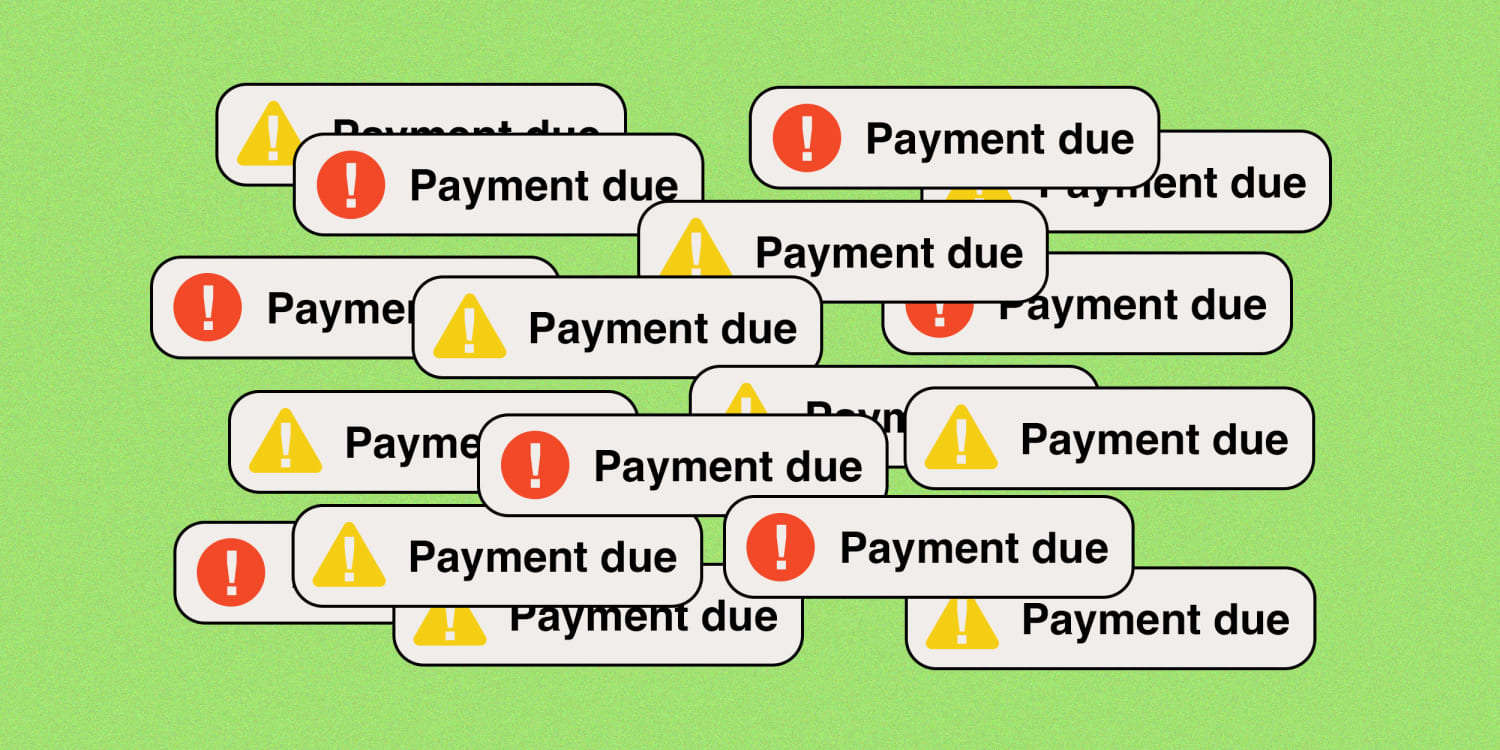
In response to the mounting concerns, BNPL companies have begun to introduce measures to improve consumer protection, such as offering clearer disclosures about repayment schedules, fees, and potential penalties. However, consumer advocacy groups argue that more needs to be done to address the underlying issue: the normalization of debt among young consumers.
A Wake-Up Call for Financial Literacy
As the debt crisis deepens, financial experts are urging a renewed focus on financial literacy, especially for young people. Without proper education on budgeting, saving, and managing credit, many in Gen Z are ill-equipped to handle the complexities of BNPL and other modern financial tools.
“Gen Z needs a reality check,” said Rachel Green, a financial counselor with the American Financial Literacy Association. “We need to empower young consumers to make better financial decisions and understand the long-term impact of their spending habits. BNPL can be a useful tool when used responsibly, but when overused, it becomes a dangerous trap.”
For now, the debt-fueled culture surrounding BNPL shows little sign of slowing down. With more young people turning to these services, and consumer habits continuing to shift, it’s clear that the burden of financial education has never been more urgent.