In a sweeping directive that has raised concerns among government workers and labor advocates, the Biden administration has issued an executive order requiring all federal agencies to end their remote work policies and return employees to in-person offices within the next 30 days. The move marks a dramatic shift in the way the federal government conducts business, especially as many agencies have embraced flexible work arrangements following the COVID-19 pandemic.
A New Policy Mandate
The order, which was announced late yesterday, applies to all federal agencies, including those in departments such as Homeland Security, Health and Human Services, the Department of Defense, and the State Department. While the administration emphasized that exceptions could be made on a case-by-case basis, the mandate is clear: employees must begin transitioning back to their physical offices with a goal of full compliance within one month.
According to the directive, agencies are required to “take immediate steps to reestablish in-person operations” and ensure that employees report to their offices for the majority of their workweek. While some hybrid models may remain in place, the emphasis is on reducing the amount of telework allowed in favor of re-establishing physical office environments that are believed to foster productivity, collaboration, and morale.
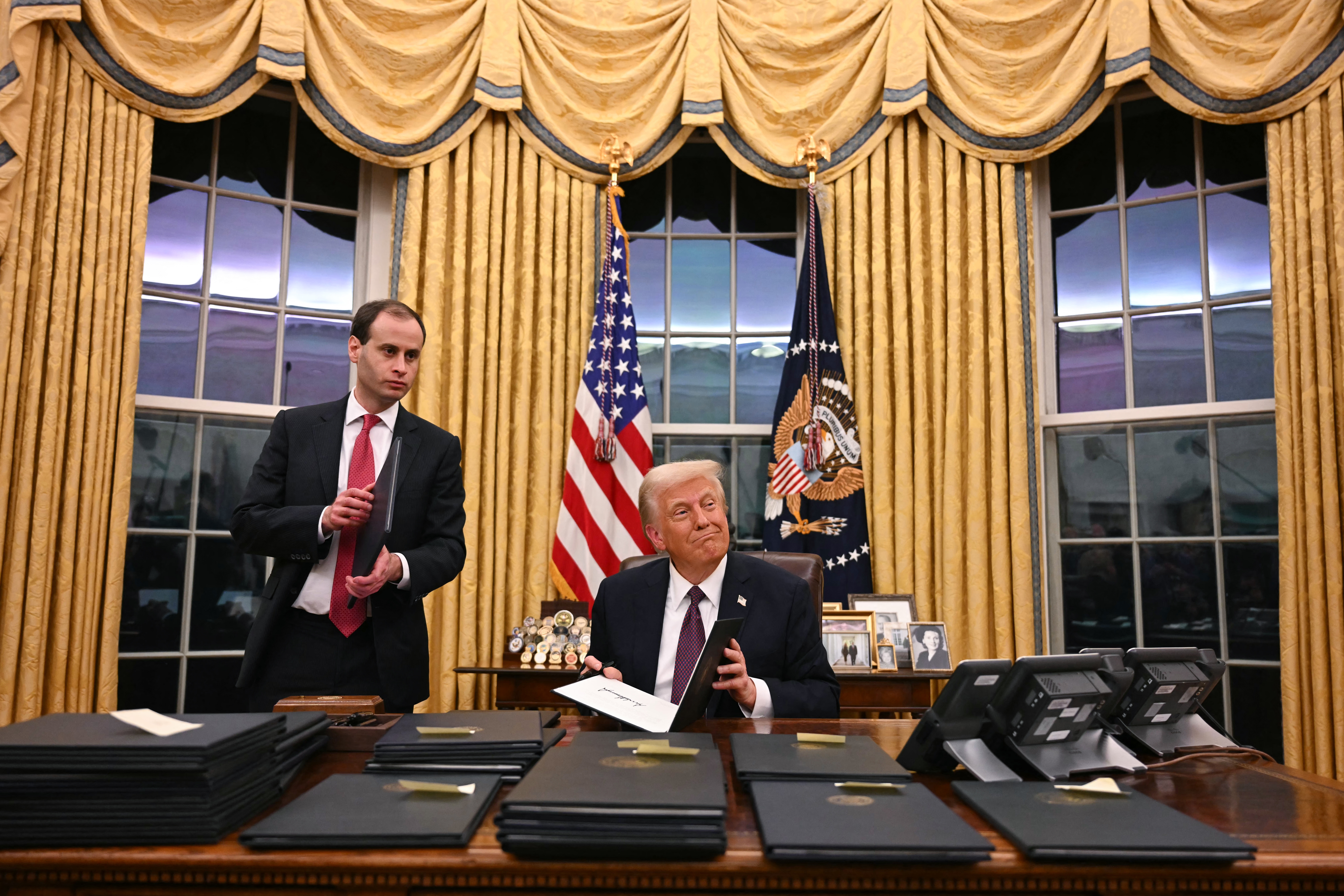
“The federal workforce has performed admirably throughout the pandemic, but now it’s time to return to the workplace,” said Sherry Miller, Director of the Office of Personnel Management, during a press conference unveiling the order. “This policy reflects the belief that the full potential of our agencies can only be realized when people are working together face-to-face, in the same space.”
The Debate Over Remote Work
The executive order has sparked a heated debate over the future of remote work, not just within the federal government but across many sectors of the economy. For some federal employees, the return-to-office mandate is seen as a regressive step, undoing years of progress in work flexibility.
Advocates for telework argue that remote work has proven to be highly effective for many government employees, enabling them to balance family responsibilities, reduce commuting time, and maintain productivity. During the pandemic, many federal agencies adopted virtual working models, and employees largely adapted to the new structure without a significant decline in work output. Some agencies even reported increased efficiency as employees enjoyed better work-life balance.
“We’ve shown that remote work doesn’t hurt productivity — it enhances it. Many of us have been working just as hard, if not harder, from home,” said Maya Thompson, an employee with the U.S. Department of Education. “This decision is ignoring the reality of modern work life. People can be trusted to do their jobs remotely as long as they’re held accountable.”
Political Pushback
The decision is likely to face significant political resistance, particularly from lawmakers and union leaders. Congressional Democrats and union representatives, who have advocated for expanded telework options, expressed concern that the policy could strain federal employees, many of whom have already been adjusting to shifting expectations in the workplace.
“This is an overreach, and it’s out of touch with the needs of the modern workforce,” said Senator Carla Jensen (D-CO), a member of the Senate Committee on Homeland Security and Governmental Affairs. “It’s clear that remote work can be effective, and forcing federal employees back into offices risks alienating a workforce that has proven it can be just as productive from home.”
The American Federation of Government Employees (AFGE), one of the largest unions representing federal workers, also voiced opposition to the new mandate. “This decision represents a major step backward for federal employees who have embraced flexibility in their work arrangements,” said AFGE President Everett Brown. “Forcing people back into offices will only create stress and unnecessary burdens on workers who have successfully contributed remotely.”
Support for the Transition
On the other hand, proponents of the policy argue that in-person work is vital to strengthening team cohesion, fostering innovation, and ensuring clear communication. Many government officials believe that a return to the office will help restore a sense of normalcy and improve the functioning of critical agencies that deal with sensitive national security, public health, and emergency response issues.
“The collaboration and camaraderie that happens in an office setting simply cannot be replicated remotely,” said Eric Martinez, a senior government official in the Department of Defense. “Remote work has its place, but when it comes to national security, the stakes are too high to rely solely on digital platforms.”
In addition, the administration’s move is seen as a way to reinvigorate downtown areas and federal buildings, which have seen reduced traffic and activity since the shift to remote work during the pandemic. Many city officials, especially in Washington D.C., have lobbied for the return of federal employees to their office spaces to boost local economies and restore vibrancy to city centers.
Challenges Ahead
While the 30-day deadline may be difficult for some agencies to meet, particularly those with large remote workforces, the administration insists that it is giving agencies enough time to phase in the changes and address any specific concerns.

The shift back to in-person work is expected to be especially challenging for federal workers who live outside of Washington D.C. or in remote parts of the country. For these employees, commuting to a central office may prove to be costly and time-consuming, raising concerns about equity and fairness within the federal workforce.
In response to these concerns, the administration has promised to explore “flexible solutions” for those who face genuine difficulties returning to the office, including limited telework options for employees in certain roles and locations.
A Turning Point for Federal Employment
As the federal government moves forward with its directive, employees and union leaders are bracing for the consequences. While the policy is rooted in the desire to rebuild office culture and streamline operations, its long-term impact on federal workers and their work-life balance remains uncertain.
In the coming weeks, agencies will need to implement plans to re-integrate their employees into the office environment — a task that will likely test the administration’s commitment to its vision of a post-pandemic federal workforce.