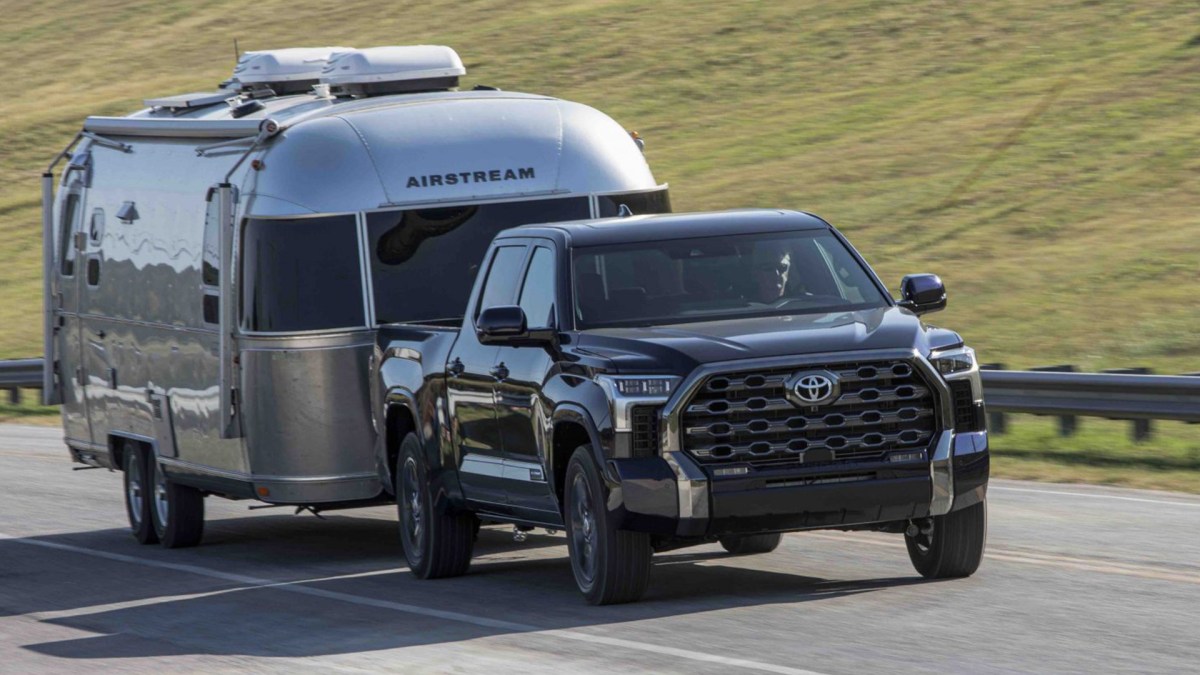
Toyota, long considered the gold standard for automotive reliability, is once again facing scrutiny over its latest generation of twin-turbo V6 engines. The automaker has announced a recall of roughly 127,000 vehicles in the United States, covering select 2022–2024 Toyota Tundra pickups and 2022–2024 Lexus LX and 2024 Lexus GX SUVs. The problem centers on a potentially catastrophic manufacturing defect in the engines — one that could cause them to fail prematurely, sometimes without warning.
The Issue at Hand
At the heart of the recall is Toyota’s new 3.4-liter twin-turbocharged V6 engine, internally designated as the V35A-FTS. This powerplant replaced the tried-and-true V8 that powered Toyota’s full-size trucks and SUVs for over a decade. The shift to a smaller, turbocharged engine was intended to improve efficiency and emissions while maintaining the power and torque demanded by large vehicle owners. But as the recent recalls suggest, the transition hasn’t gone entirely smoothly.
According to Toyota, the issue stems from machining debris left inside the engine during manufacturing. Small bits of metal shavings or residue can remain trapped in oil passages, bearing surfaces, or internal components. Over time, these contaminants can cause excessive wear, knocking noises, loss of oil pressure, rough running, or, in extreme cases, complete engine failure. Some affected owners have reported sudden power loss at highway speeds or engines that refuse to start after being shut off — a serious safety risk if it occurs while driving.
The problem appears to affect only gasoline-powered variants of the Tundra, LX, and GX models. The hybrid versions, which use a similar base engine paired with an electric motor, are not currently part of the recall. Toyota has suggested that the electric components in hybrid models may provide some redundancy in the event of engine issues, but that distinction has done little to calm owners of the conventional versions.
A Growing Problem
This isn’t the first time Toyota has had to issue a recall for this particular engine. Earlier this year, the company recalled more than 100,000 Tundras and Lexus LX models for the same machining-debris issue. That earlier campaign involved replacing entire engines for affected vehicles — a time-consuming and expensive fix. The latest expansion, covering an additional 127,000 vehicles, indicates that the problem was more widespread than initially believed.
Owners of affected vehicles are understandably frustrated. Many purchased Toyota and Lexus trucks specifically for their reputation for durability and longevity. Instead, they’ve found themselves dealing with warning lights, rough idling, and in some cases, complete engine shutdowns. For customers who tow heavy loads or use their vehicles for long trips, the risk of sudden power loss is especially concerning.
Toyota’s Response
Toyota has confirmed that it is working on a permanent remedy for the defect, though details remain limited. The company plans to begin notifying owners in early 2026, at which point dealers will inspect and, if necessary, replace the affected engines at no cost to customers. Until then, Toyota is advising owners to watch for warning signs such as unusual noises, loss of power, or illuminated engine lights, and to bring their vehicles to a dealership immediately if these occur.
While the automaker’s willingness to recall vehicles proactively is commendable, the long wait for a fix has left many owners uneasy. Some dealers have reportedly received vehicles for inspection only to tell customers that replacement engines are on backorder. For owners of newer models, this could mean weeks or even months without their vehicles.
Why This Recall Matters
Toyota’s reputation for mechanical reliability is one of its strongest assets. For decades, the company has built vehicles known for lasting hundreds of thousands of miles with minimal trouble. A recall involving major engine failures challenges that image, particularly because it involves Toyota’s latest flagship models — vehicles that can cost between $60,000 and $120,000.
The recall also underscores the growing pains that come with the industry’s shift from naturally aspirated engines to smaller, turbocharged units. Turbocharging delivers impressive performance gains and efficiency improvements, but it also introduces more complexity and tighter manufacturing tolerances. A small defect in machining or assembly can have large consequences, especially in engines designed to handle the heat and stress of heavy-duty use.
For Toyota, which spent decades perfecting bulletproof V8s, the new turbo V6 represents a bold technological step — but also one that now risks undermining consumer confidence. Many longtime Toyota truck owners have already voiced nostalgia for the older, simpler engines that could endure extreme conditions with minimal maintenance.
Impact on Owners and the Brand
From a consumer standpoint, the recall raises several issues beyond immediate safety concerns. For one, affected vehicles may see declines in resale value until the problem is fully resolved. Even once repaired, cars with a known recall history often face buyer hesitation in the used market. Additionally, for customers using these trucks and SUVs for commercial or towing purposes, unexpected downtime can translate into significant financial losses.
From a corporate perspective, Toyota faces both logistical and reputational challenges. Engine replacements are among the most expensive recall remedies an automaker can offer. If all 127,000 recalled engines require replacement, the costs could run into the billions. More importantly, Toyota must act decisively to preserve its hard-earned image for reliability.
Lessons and Looking Ahead
The recall highlights a key tension in modern automotive engineering: the balance between innovation and reliability. As regulations push automakers toward higher efficiency and lower emissions, traditional powertrains are being replaced by downsized, turbocharged, or hybridized alternatives. These engines promise performance and economy but depend on advanced manufacturing precision — leaving less room for error.

For owners, the message is clear: stay informed and proactive. Anyone with a 2022–2024 Toyota Tundra, 2022–2024 Lexus LX, or 2024 Lexus GX should check their vehicle identification number (VIN) with their local dealer or Toyota’s recall website. Those experiencing symptoms should have their vehicles inspected immediately.
For Toyota, this is a defining moment. The company has built its global reputation on quality and dependability; now, it must prove that it can maintain those standards even as it adopts more advanced technology. The recall of 127,000 vehicles may be a stumble, but how Toyota responds — through transparency, swift action, and customer support — will determine whether it remains the benchmark for reliability in an evolving automotive landscape.