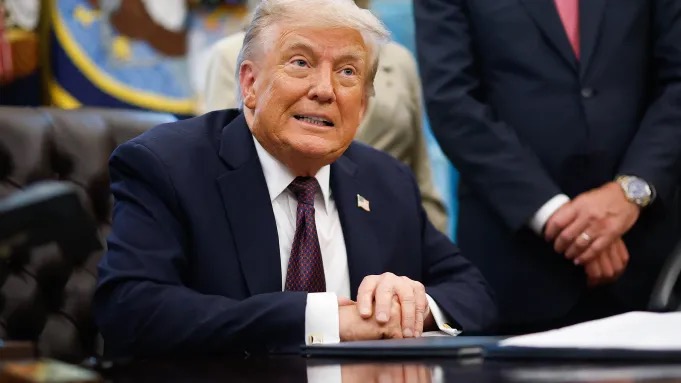
Trevor Milton, the founder of electric truck manufacturer Nikola Corporation, who was convicted of defrauding investors in one of the most high-profile corporate scandals of recent years, has received a presidential pardon, a move that has sparked intense debate and controversy.
The pardon, granted by President Donald Trump, comes just weeks after Milton, 41, was sentenced to a lengthy prison term for misleading investors about the capabilities of Nikola’s electric trucks and hydrogen-powered vehicles. Milton was found guilty on multiple charges of securities fraud and wire fraud in connection with a series of misleading claims about the company’s technology, which was hyped as a revolutionary step in the electric vehicle (EV) industry.
Nikola’s stock soared after its 2020 public debut, but shortly thereafter, Milton’s company came under scrutiny after a report by Hindenburg Research accused Nikola of misleading investors by exaggerating the capabilities of its technology. Among the most notable false claims was the now-infamous video showing a Nikola truck allegedly driving autonomously down a hill — a stunt that was later revealed to be a deceptive marketing ploy.

Despite the severity of his conviction, Milton maintained his innocence throughout the trial and alleged that the case against him was politically motivated. The pardon has sparked a wave of reactions, with some praising the move as a necessary correction, while others view it as a politically charged decision with serious implications for investor confidence and corporate accountability.
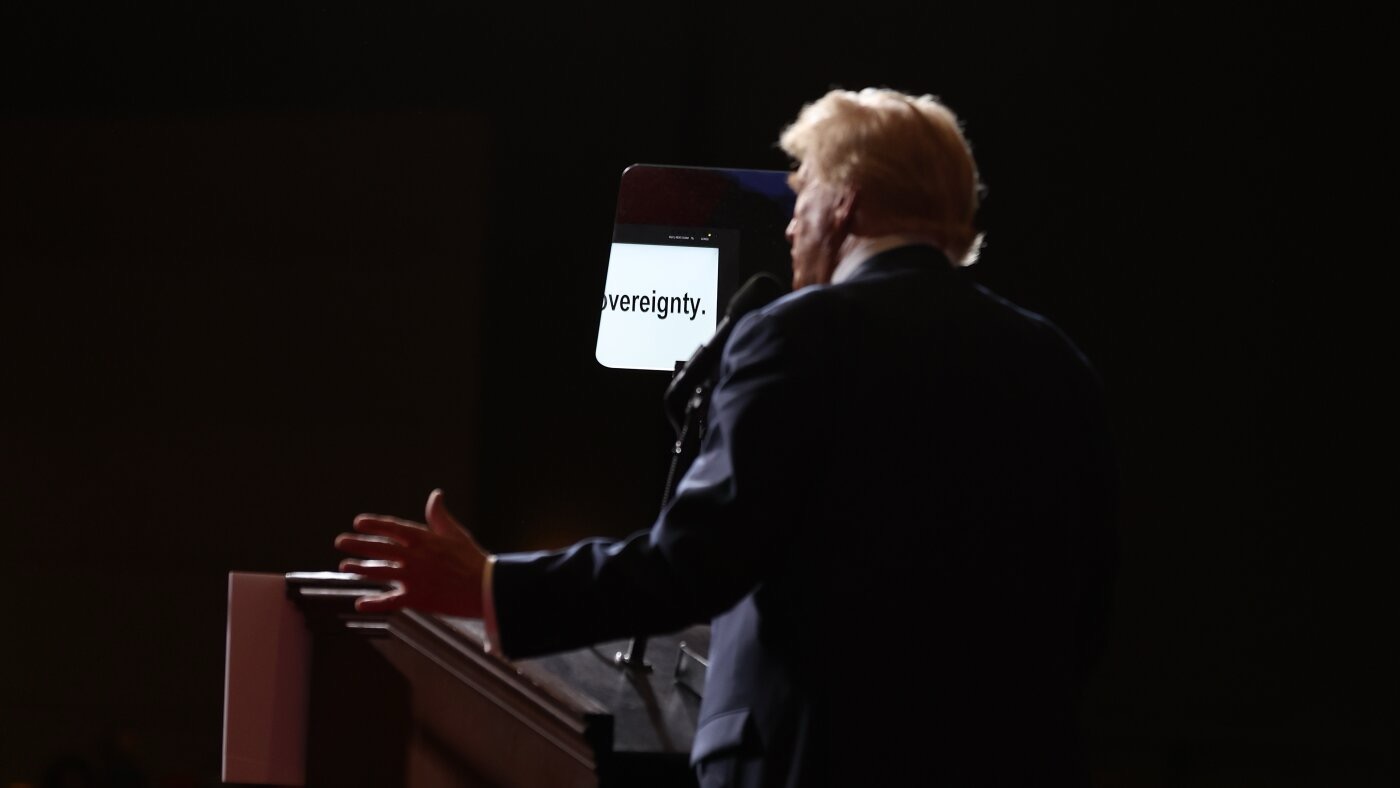
Milton’s ties to Trump have been a central point of contention. The former CEO of Nikola was a prominent donor to Trump’s re-election campaign and had served as a key backer of Trump’s political initiatives in recent years. Critics argue that the pardon is part of a broader pattern of favoring political allies, underscoring concerns about cronyism in U.S. governance.
“Trevor Milton’s actions were harmful to American investors and trust in the stock market,” said Rep. Alexandria Ocasio-Cortez (D-NY), a vocal critic of the pardon. “This decision undermines our justice system and sends the wrong message to those who would attempt to deceive and defraud hardworking people.”
Supporters of the pardon, however, argue that the case against Milton was politically motivated and that the charges were disproportionate to the alleged wrongdoing. Steve Bannon, a former Trump advisor and prominent figure in conservative circles, defended the pardon, calling it “a triumph for justice” and a necessary step to protect free-market principles.
The pardon also raises broader questions about the growing trend of high-profile corporate scandals in Silicon Valley and beyond. While many of the world’s most successful tech entrepreneurs have faced accusations of misleading investors, the outcome of Milton’s case is likely to set a precedent for future legal battles involving corporate leaders.
Nikola’s Future
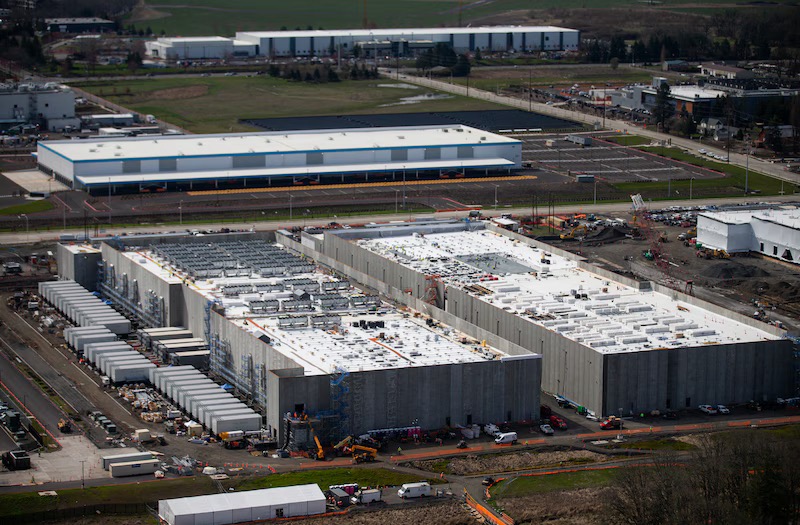
Milton’s departure from Nikola in 2020 followed the fallout from the fraud allegations, and since then, the company has faced numerous challenges in regaining its reputation and delivering on its ambitious promises. Nikola has struggled to meet production targets for its hydrogen-powered trucks and has seen its stock price fluctuate dramatically. Under new leadership, the company is focused on refining its product and maintaining investor confidence, but the damage to its image remains significant.
The timing of the pardon is also noteworthy, coming at a time when Nikola is still trying to restore its credibility and regain the trust of investors. The company, which has continued to develop its hydrogen-powered and electric vehicles, faces an uphill battle to prove that it can deliver on the promises that Milton once made.
Impact on U.S. Business and Legal Landscape
The decision to grant a pardon to Milton could have far-reaching consequences for both U.S. business practices and the legal landscape surrounding corporate fraud. Some experts worry that this could set a dangerous precedent for future cases of corporate fraud, suggesting that high-profile business leaders might view legal consequences as less of a deterrent if they can rely on political connections for pardons.

On the other hand, advocates of corporate reform have raised concerns about the lack of accountability for executives involved in major fraud cases. “If business leaders can walk away from serious charges with a presidential pardon, it will send a message that there are no real consequences for corporate misconduct,” said John Coffee, a professor of law at Columbia University.
As the dust settles, Milton’s pardon has ignited debates about corporate ethics, legal accountability, and the influence of political donations on the justice system.
The true implications of this controversial decision may only become clearer in the coming months as various stakeholders — from investors to policymakers — continue to grapple with its ramifications.