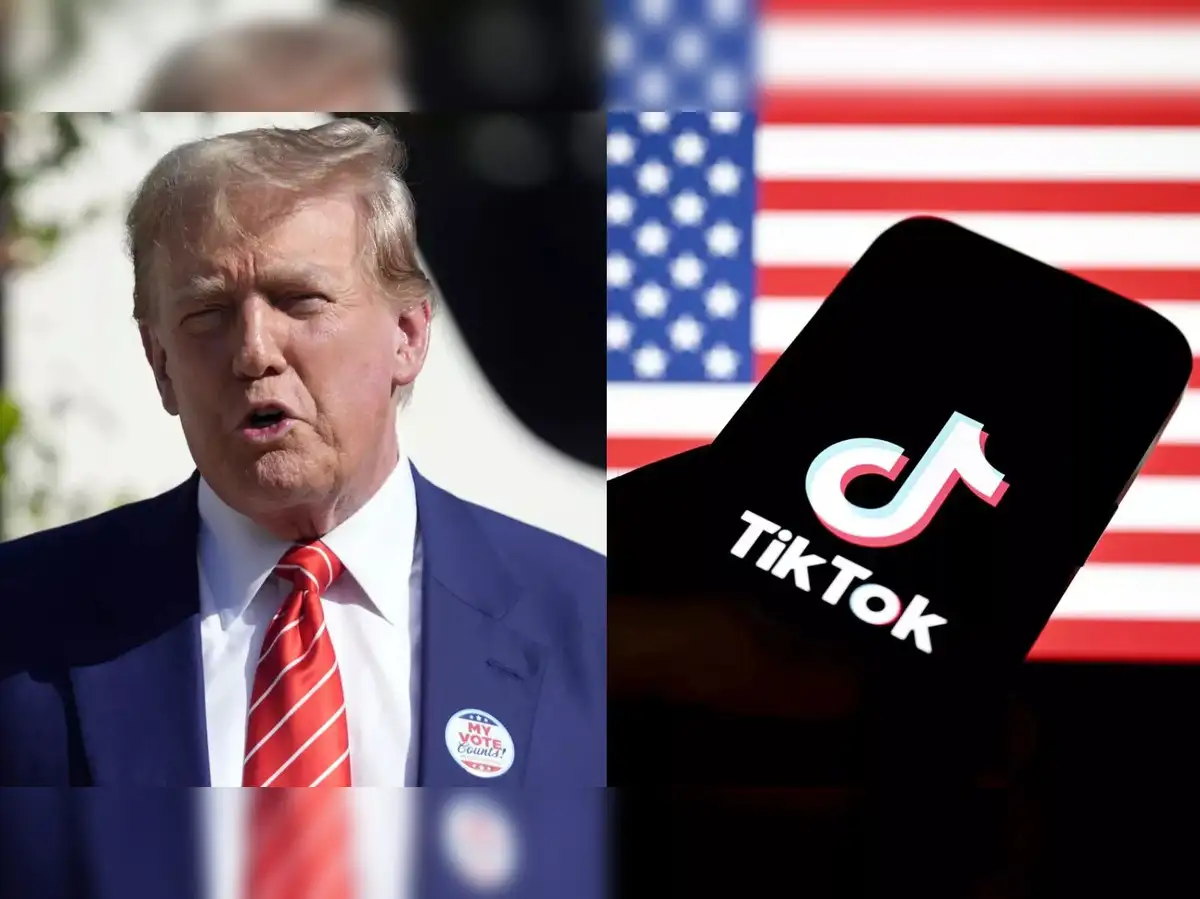
When President Donald Trump first announced that the White House had struck a deal to sell the popular video-sharing app TikTok to a U.S.-based company, it was hailed as a major political and business victory. The move, part of Trump’s broader strategy to push back against China’s growing influence in the tech sector, promised a solution to concerns over national security and data privacy. But as Trump’s trade war with China escalated, the deal — and the hopes surrounding it — unraveled, leaving tech moguls and business leaders with massive losses.
What was once a high-stakes negotiation over the future of TikTok now appears to be a cautionary tale of how international tariffs and trade policies can disrupt even the most carefully orchestrated business arrangements. Trump’s China tariffs, which were introduced in 2018 and spiked over the next few years, played a pivotal role in wrecking the White House’s once-promising TikTok deal, and the consequences continue to be felt by both the app’s owners and American tech giants.
The TikTok Deal: A Bold Move
In 2020, facing mounting pressure from both the U.S. government and lawmakers, Chinese-owned ByteDance — the parent company of TikTok — entered into talks with major American firms, including Microsoft and Oracle, over the potential sale of the app’s U.S. operations. With national security concerns at the forefront, Trump insisted that the app, which boasts over 100 million American users, needed to be sold to a U.S. company to avoid an outright ban. A deal seemed imminent, and the prospect of an American-owned TikTok was seen as a win for both sides.
For many tech moguls, the prospect of acquiring TikTok was too appealing to pass up. Microsoft’s Satya Nadella and Oracle’s Larry Ellison were among those who lobbied for the deal, hoping to tap into the app’s massive user base and lucrative advertising revenue. On the surface, it was a deal that made sense for both business and national security — the Trump administration got to secure data privacy for U.S. citizens, and American tech firms gained a foothold in a rapidly growing sector.

But the deal was never finalized, and the broader economic environment — particularly the tariffs introduced by Trump — was one of the key factors that caused it to fall apart.
The Impact of Tariffs on the Deal
Trump’s tariff war with China, which escalated throughout his presidency, created significant friction in the proposed TikTok sale. The tariffs, designed to punish China for what the U.S. viewed as unfair trade practices, hit American tech companies hard, especially those with heavy investments in China and other parts of Asia.
For companies like Microsoft, which relied on Chinese manufacturing for its hardware products, and Oracle, which had strong business ties with Chinese firms, the tariffs added layers of complexity to any deal involving a Chinese company. In fact, many industry analysts point to the tariffs as the final straw that derailed the TikTok negotiations.
ByteDance, already facing heightened scrutiny from U.S. regulators, was unwilling to comply with demands that it sell its U.S. operations under the pressure of escalating tariffs. The company cited the tariffs as a major obstacle to finalizing any sale, particularly as they made it harder to negotiate the terms of the deal without incurring additional costs. With tariffs increasing on Chinese goods, ByteDance found itself caught between conflicting demands from both governments.
On the American side, potential buyers, including Microsoft and Oracle, had concerns about the future of their Chinese operations. These companies worried that buying TikTok under such a tense political environment would provoke retaliation from Beijing. The prospect of increased costs due to tariffs on Chinese-made goods and tech components made the acquisition deal less appealing. In addition, rising tensions between the two global superpowers only increased the uncertainty surrounding the deal.
Financial Fallout and the Tech Sector
The collapse of the TikTok deal has had lasting repercussions, particularly for the tech giants involved. Microsoft, which had been keen to purchase TikTok’s U.S. operations, was left to deal with the fallout of a deal that never materialized. At its peak, analysts estimated that Microsoft stood to gain billions of dollars in additional revenue from advertising and user engagement on the TikTok platform. With the deal now in limbo, those projections have turned into missed opportunities, and Microsoft has seen its stock price reflect the uncertainty caused by the failure.
Similarly, Oracle’s bid to purchase TikTok also fell apart, and Larry Ellison’s once-optimistic view of securing a tech partnership with ByteDance has now turned to dust. As tariffs continued to strain the relationship between the U.S. and China, Oracle’s revenue from its own China-based operations took a hit, resulting in billions of dollars in losses across its global business.
Meanwhile, ByteDance, which had hoped to successfully navigate the political landscape and retain a foothold in the U.S. market, has found itself entangled in a complicated web of trade restrictions. The company’s valuation has dropped significantly since the collapse of the sale, losing billions in the process.
A New Reality for Tech Diplomacy
The TikTok saga highlights the far-reaching consequences of Trump’s trade policies on the tech sector. Initially, Silicon Valley seemed to embrace the administration’s pro-business stance, but the long-term effects of tariffs on global trade have proved far more damaging than anticipated. The TikTok deal was a perfect example of how geopolitical tensions can upend even the most lucrative business opportunities.
As tensions between the U.S. and China continue to evolve under the Biden administration, it remains unclear whether the TikTok deal will ever be revisited or whether new trade policies will bring the potential for a resolution. However, the lesson from the failed negotiations is clear: tech giants and governments alike are realizing that global business deals now come with far more risk than they did before Trump’s tariffs began to shake the very foundations of international trade.
In the end, what was meant to be a bold business transaction has become a bitter reminder of how the shifting tides of global politics and tariffs can wreak havoc on the ambitions of even the most powerful tech moguls. As the world moves forward, one thing is certain: the legacy of Trump’s tariffs continues to reverberate in boardrooms and government halls across the globe.