In a dramatic shift that is sending ripples through global trade, the United States has officially begun implementing a new 10% tariff on a range of foreign goods, a move that analysts are calling the latest in a series of protectionist measures under the former Trump administration. The new tariff, which was first proposed in late 2024, is expected to have far-reaching consequences for international trade relations, further straining ties between the U.S. and several major economies, including China, the European Union, and Canada.
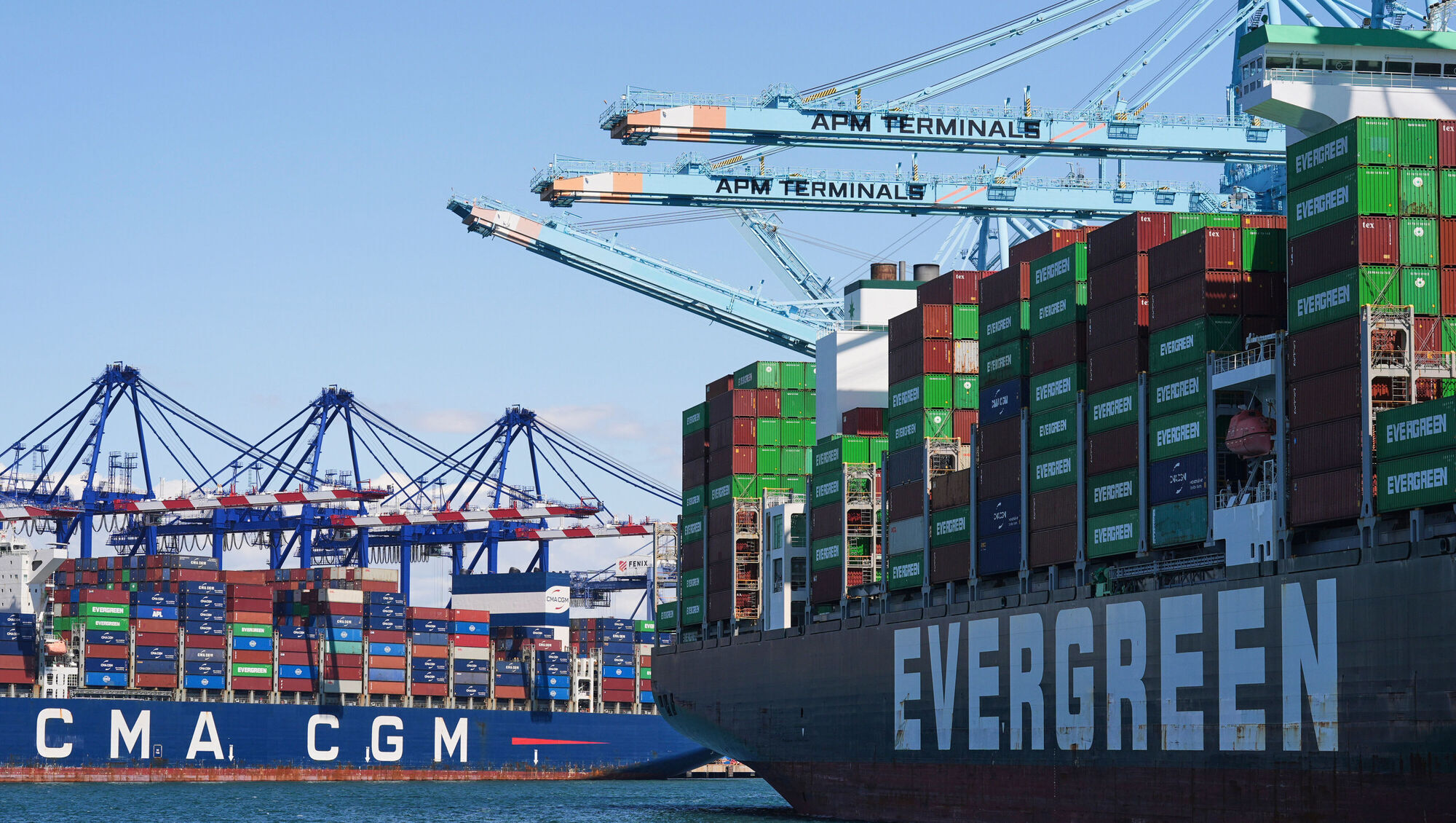
The tariff, which targets hundreds of billions of dollars’ worth of imported goods, including electronics, textiles, and machinery, is seen as a bold, unilateral measure that challenges longstanding global trade norms. Experts warn that the policy could disrupt delicate supply chains and spark retaliatory actions from trading partners, potentially igniting a new wave of global trade tensions.
A Step Away from Multilateralism
For many, the decision to begin collecting the new tariff signals a marked departure from the multilateral, rules-based approach to global trade that has dominated since the end of World War II. The World Trade Organization (WTO), which has long advocated for negotiated agreements to address trade disputes and tariff barriers, has voiced concern over the U.S. administration’s tendency to bypass international cooperation in favor of unilateral action.

“The introduction of the 10% tariff sets a dangerous precedent,” said Anna Thompson, a senior economist at the Peterson Institute for International Economics. “It undermines the framework that the global economy has been built upon. If other nations follow suit, we could see a destabilization of the free trade system that has been integral to global prosperity for decades.”
Impact on the US Economy
The impact of this new tariff on the U.S. economy itself remains a point of contention. Proponents of the measure, including former President Donald Trump and several prominent members of the Republican Party, argue that it will help protect American manufacturing and promote domestic job growth by discouraging foreign imports. Trump, who remains influential in U.S. politics, has touted the tariffs as a way to level the playing field for American businesses, which he claims have been harmed by unfair trade practices.
However, economists caution that the tariffs could lead to higher prices for American consumers, who would bear the brunt of the increased costs for imported goods. Already, there are signs of inflationary pressure in certain sectors, particularly in industries reliant on foreign components, such as technology and automotive manufacturing.
“Inevitably, American consumers will see the cost of goods rise,” said Michael Chen, a trade policy expert at the Brookings Institution. “It’s important to recognize that tariffs are a tax on consumers, not on foreign countries. While this may help certain industries in the U.S., it could ultimately hurt the broader economy.”
Global Reactions
The global reaction to the tariff announcement has been swift and sharply critical. China, one of the largest trading partners of the U.S., has expressed strong disapproval, with government officials suggesting that retaliatory measures could soon follow. The European Union has also signaled its intention to challenge the tariff at the WTO, calling it “an illegal violation of international trade agreements.”
“We cannot sit idly by while the U.S. undermines the global trading system,” said Ursula von der Leyen, President of the European Commission. “We will explore all options to ensure that our businesses are protected from such arbitrary and harmful tariffs.”
Canada, which shares the world’s longest border with the United States, is also preparing a countermeasure. Canadian officials are reportedly considering similar tariffs on American goods, a move that would escalate tensions between the two neighboring countries.
The Road Ahead
As the U.S. begins collecting the new tariff, the future of global trade hangs in the balance. The WTO, long considered the backbone of international commerce, may face increasing pressure to adapt to a world where unilateral actions from major economies become more common. With the U.S. on a path toward more protectionist policies, it remains to be seen whether other countries will follow suit or challenge the Trump-era tariffs through legal means.
In the coming weeks, global leaders will be closely monitoring how the U.S. implements the tariff and whether its trade partners retaliate. One thing is certain: the rules of international trade may be changing, and the world is entering an era where old norms are increasingly being questioned and tested.
For now, businesses and consumers alike will need to brace themselves for the economic consequences of a new era in global trade—one that promises to be as unpredictable as it is contentious.