Scentre Group Defies Cost-of-Living Crisis as Westfield Sales Climb
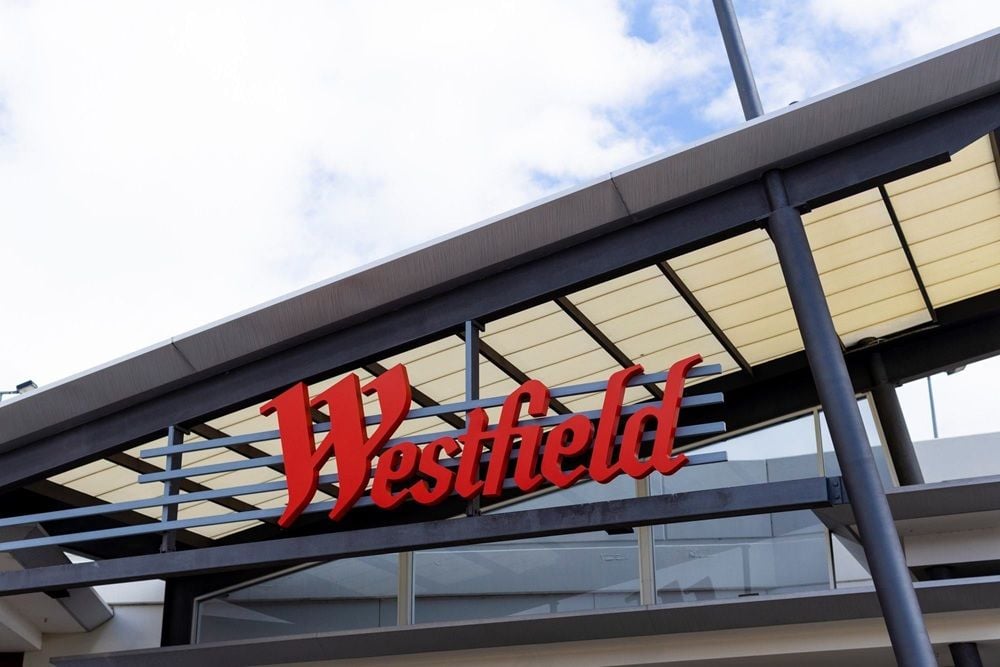
Despite rising inflation and widespread economic pressures, Scentre Group — the owner of Westfield shopping centres across Australia and New Zealand — is showing little sign of strain from the ongoing cost-of-living crisis. The retail property giant has reported a strong start to 2025, with total store sales rising by 2.8% in the first quarter to reach $7.2 billion.
Foot traffic across the group’s 42 Westfield locations also increased by 2.3%, with 179 million visits recorded, signalling that consumers continue to prioritise in-person shopping experiences. Annual sales have now reached a record $31.4 billion, supported by a high occupancy rate of 99.6% and robust specialty rent growth of 5.5%.
)
Scentre Group credits its performance to strategic investments in entertainment and customer experience, including live events, brand partnerships, and targeted redevelopment of underperforming retail spaces. These initiatives have helped transform Westfield centres into lifestyle destinations rather than purely shopping venues.
The company remains optimistic about its growth trajectory, forecasting a 4.3% increase in funds from operations this year. In a challenging economic environment, Scentre Group’s results reflect a resilient retail sector that continues to evolve and attract consumers despite tighter household budgets.
Australian Vintage Faces Challenges Amid Declining Sales and High Inventory
Australian Vintage, the owner of renowned wine brands such as McGuigan, Tempus Two, and Nepenthe, is grappling with declining sales and elevated inventory levels, which have impacted its recent performance and strategic initiatives.
In the 2024 financial year, the company reported a significant AU$93 million loss, a sharp contrast to the AU$4 million profit in the previous year. This downturn was primarily attributed to a AU$37.7 million goodwill impairment and a AU$36.6 million inventory write-down. Despite a modest 1% increase in revenue to AU$260.6 million, the company’s underlying earnings before interest and tax (EBIT) rose by 25% to AU$13.2 million, indicating potential for recovery if inventory challenges are addressed.

The wine industry as a whole is experiencing a significant oversupply, with Australian wine sales outstripping production for the second consecutive year. This glut has led to increased discounting and strained margins, affecting Australian Vintage’s competitiveness in key markets.
In response, Australian Vintage is implementing a new strategy focusing on reducing fixed grape supply contracts and increasing flexibility in grape sourcing. The company aims to enhance its market position and profitability by addressing these operational challenges.
As Australian Vintage navigates these hurdles, its ability to adapt to market conditions and manage inventory effectively will be crucial for its recovery and future success.
Myer Lifts Sales Despite Margin Squeeze and Ongoing Logistics Issues
Australian department store giant Myer has posted a modest increase in sales, signaling resilience amid a tough retail environment. Total sales rose 1.9% in the latest reporting period, driven by strong customer engagement and growth in its loyalty program. Myer now boasts over 4.6 million active loyalty members, contributing to nearly 80% of total sales.
Despite the top-line growth, the company continues to battle shrinking profit margins and operational challenges. Net profit dropped significantly—down 40% compared to the same period last year—largely due to rising costs and supply chain disruptions. A major pain point remains the company’s new National Distribution Centre, where ongoing issues have disrupted stock flow and delayed key merchandise, particularly from exclusive in-house brands.
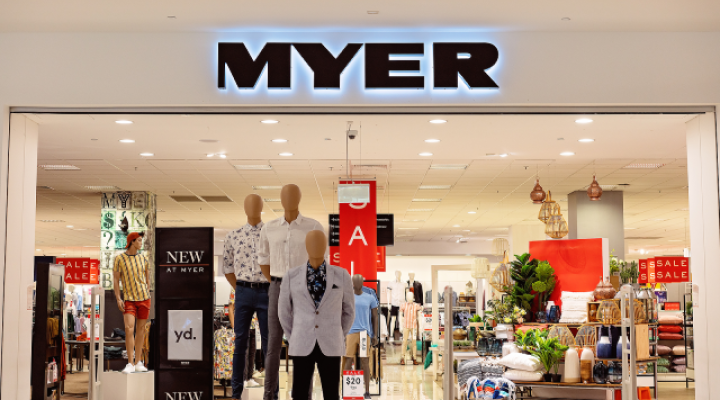
The logistics troubles have forced Myer to divert online order fulfillment to physical stores, leading to inefficiencies and lost revenue estimated at over $12 million. Additionally, recently acquired apparel brands have underperformed, putting added pressure on profitability.
CEO Olivia Wirth remains focused on restructuring efforts and improving operational efficiency. While the short-term outlook remains mixed, Myer is banking on strategic investments and brand integration to stabilize performance and regain investor confidence.
Ecofibre Secures $4.1 Million Lifeline Amid Financial Restructuring
Ecofibre Ltd (ASX: EOF), an Australian company specializing in hemp-derived textiles and medicinal cannabis, has secured a $4.1 million lifeline to bolster its financial position. This funding comes as part of the company’s ongoing efforts to address significant debt and operational challenges.
In recent months, Ecofibre has taken strategic steps to reduce its debt burden. The company completed a sale and leaseback transaction for three properties in the United States, generating approximately $15.3 million. These proceeds were utilized to repay existing debts and extend loan maturities, providing the company with greater financial flexibility.Additionally, Ecofibre secured new working capital loans to support its operations and investments.

Despite these efforts, Ecofibre continues to face challenges. The company reported a total loss after tax of $40 million for the fiscal year 2024, primarily due to impairments and legal fees. Revenue declined by 8.6%, and operating cash flows experienced net outflows of $10.3 million. The company is actively working on a comprehensive debt restructuring plan to improve its financial stability.
Ecofibre remains focused on returning to a cash flow-positive status and is committed to simplifying its business, lowering operating costs, and delivering ongoing revenue growth in its key divisions. The recent funding injection is expected to support these initiatives and strengthen the company’s position moving forward.
Kite Magnetics Secures $3.6 Million Investment from SQM Lithium Ventures
Melbourne-based aerospace startup Kite Magnetics has secured a $3.6 million investment from SQM Lithium Ventures, the venture capital arm of Chilean lithium producer SQM. This funding will accelerate the development of Kite’s innovative Aeroperm® nanocrystalline electric motor technology, which promises to revolutionize electric aviation and transportation.
Aeroperm® is a high-performance magnetic material that reduces energy losses by up to 97% compared to traditional iron-silicon alloys. This breakthrough enables electric motors that are lighter, more efficient, and capable of higher power densities, making them ideal for applications in electric vehicles (EVs), electric vertical takeoff and landing (eVTOL) aircraft, and other electrified transportation systems.
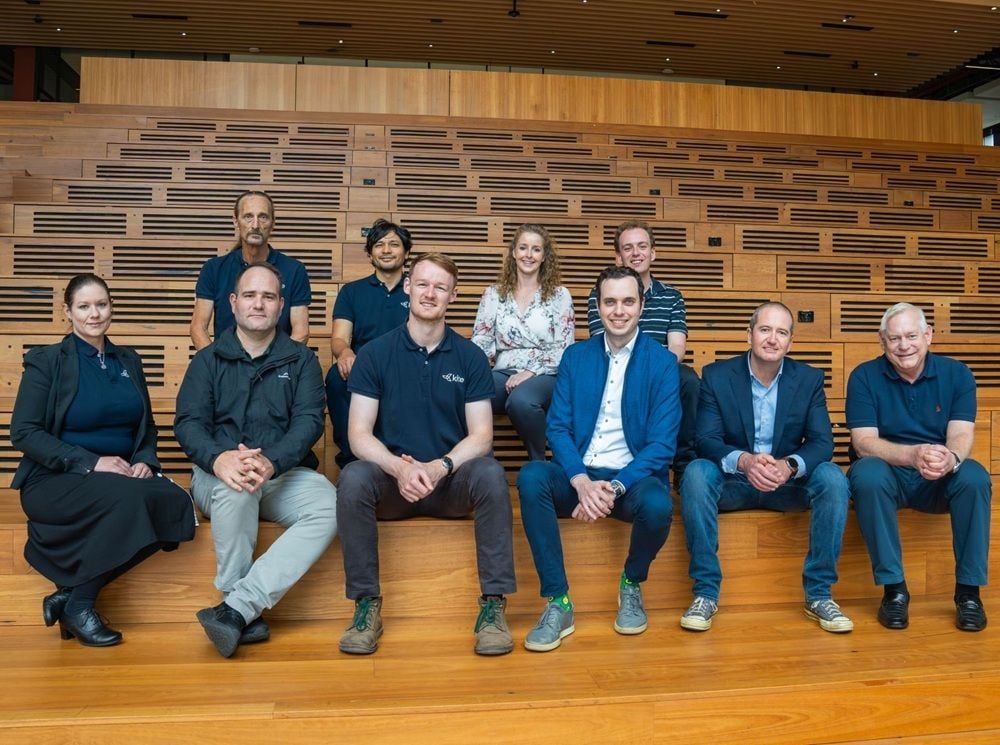)
Founded in 2021 as a spinout from Monash University, Kite Magnetics has already demonstrated the capabilities of its technology with a 120 kW air-cooled electric motor for small aircraft. The company is also establishing a state-of-the-art manufacturing facility in Melbourne, supported by the Victorian government, to scale production and create up to 550 jobs.
The partnership with SQM Lithium Ventures underscores the growing synergy between clean energy technologies and critical materials supply chains. With this strategic investment, Kite Magnetics is poised to play a pivotal role in the global transition to sustainable aviation and transportation.