
Apple Inc. has been caught off guard by an overwhelming surge in demand for its newest laptop, the MacBook Neo, with CEO Tim Cook describing customer response as “off the charts.” The unexpectedly strong reception for what is now considered Apple’s most affordable MacBook marks a significant moment for the company, signaling a shift in both consumer expectations and Apple’s broader product strategy.
Introduced as a budget-friendly alternative within Apple’s traditionally premium Mac lineup, the MacBook Neo was designed to appeal to students, first-time Mac users, and price-conscious buyers. However, the device has quickly exceeded those expectations, drawing interest from a far wider audience, including professionals and longtime Apple customers seeking a more cost-effective secondary device.
Speaking earlier this week, Cook acknowledged that Apple had not anticipated the scale of the demand. While internal projections had pointed to solid performance, the actual response has reportedly outpaced supply in several key markets. Retail partners and online platforms have seen the device sell out rapidly, with delivery timelines stretching weeks beyond initial estimates. In some regions, limited availability has further fueled demand, creating a cycle of heightened interest and urgency among buyers.
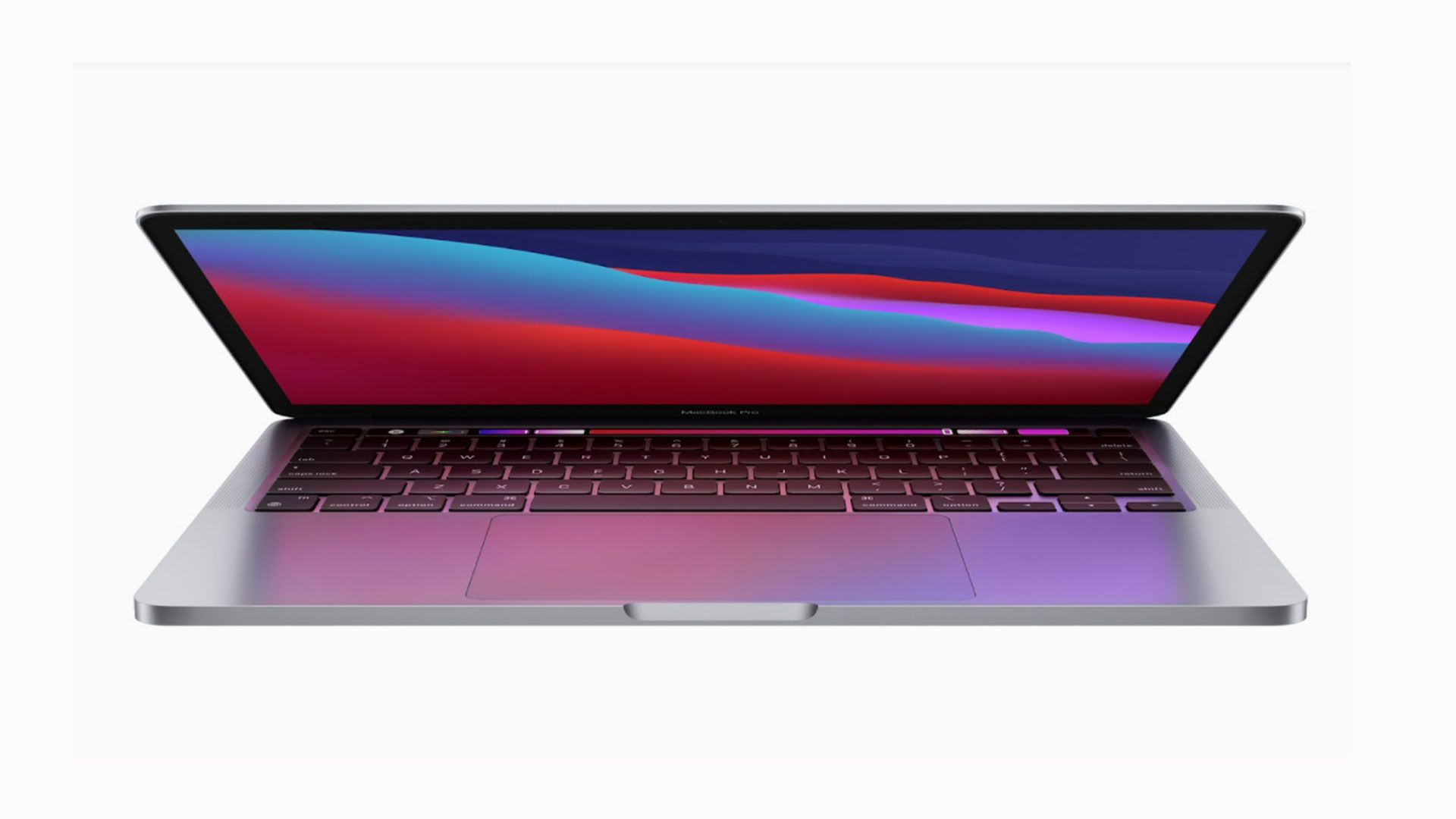
The MacBook Neo’s success lies in its careful balance between affordability and functionality. While positioned as an entry-level product, it retains many of the design elements and ecosystem advantages associated with Apple devices. Its lightweight build, long battery life, and optimized operating system integration make it an attractive option for users who want the Apple experience without the higher price tag typically associated with MacBooks.
Industry analysts suggest that Apple’s decision to introduce a lower-cost laptop comes at a critical time. The global personal computing market has undergone significant changes in recent years, driven by remote work, digital education, and increasing reliance on portable devices. As consumers become more price-sensitive amid economic uncertainties, demand for high-quality yet affordable devices has grown steadily. The MacBook Neo appears to have tapped directly into this demand.
The strong performance of the device also reflects a broader trend in Apple’s evolving strategy. Historically, the company has focused on premium products with high margins, positioning itself as a leader in design and innovation. However, the success of more accessible offerings like the MacBook Neo suggests that Apple is increasingly willing to expand its reach and cater to a wider demographic.
For Apple, this shift presents both opportunities and challenges. On one hand, the MacBook Neo opens the door to new customers who may have previously found the brand financially out of reach. On the other hand, maintaining the company’s reputation for quality while offering lower-priced products requires careful management of costs, supply chains, and product differentiation.
The unexpected surge in demand has also highlighted the complexities of modern supply chains. Despite Apple’s extensive experience in global manufacturing and logistics, the company now faces the challenge of scaling production quickly enough to meet demand without compromising quality. Reports of delays and limited stock availability suggest that supply constraints could persist in the short term as Apple works to increase output.
To address the situation, Apple is expected to collaborate closely with its manufacturing partners to boost production capacity. This may involve reallocating resources, prioritizing certain components, or adjusting production schedules across its product lines. While such measures can help alleviate shortages, they often take time to implement, meaning that customers may continue to face longer wait times in the coming weeks.
Beyond immediate supply concerns, the MacBook Neo’s success could have lasting implications for Apple’s future product lineup. If demand remains strong, the company may consider expanding the Neo brand into a broader category, potentially introducing additional models or variations aimed at different segments of the market. This could include devices with upgraded features, different screen sizes, or region-specific configurations.
At the same time, Apple will need to ensure that its lower-cost offerings do not cannibalize sales of its higher-end MacBook models. Striking the right balance between affordability and premium differentiation will be crucial as the company navigates this new phase of growth.
The enthusiastic response to the MacBook Neo also underscores a shift in consumer priorities. While performance and design remain important, value for money is becoming an increasingly significant factor in purchasing decisions. Apple’s ability to deliver a product that meets these expectations without compromising its core identity has played a key role in the device’s success.

For now, the MacBook Neo stands as a rare example of Apple being surprised by its own product’s popularity. In an industry where companies often struggle to generate excitement around new releases, the device has managed to capture widespread attention and demand almost instantly.
As Apple works to catch up with orders and stabilize supply, the MacBook Neo’s early momentum suggests it could become one of the company’s most impactful launches in recent years. More than just a new product, it represents a potential turning point—one that could reshape how Apple approaches pricing, accessibility, and market expansion in the years ahead.