General Motors is facing a rising wave of consumer lawsuits and growing public scrutiny over a potentially dangerous defect in its 6.2-liter V8 engines. Thousands of owners of GM’s full-size trucks and SUVs are alleging that the engines can suddenly shut down without warning, posing serious safety risks and leaving drivers with costly repairs and diminished vehicle value.
At the center of the controversy is GM’s 6.2L EcoTec3 L87 engine, used in a wide range of high-end and best-selling models across the Chevrolet, GMC, and Cadillac brands. Plaintiffs allege that a mechanical flaw in the engine—most likely related to the crankshaft or rod bearings—can cause the engine to seize or stall with no advance warning.
For some drivers, the problem has resulted in vehicles shutting down abruptly at highway speeds or while navigating traffic, creating dangerous conditions. Complaints have continued to build, and GM has been accused of failing to act decisively or transparently to protect its customers.
Widespread Impact Across GM Lineup
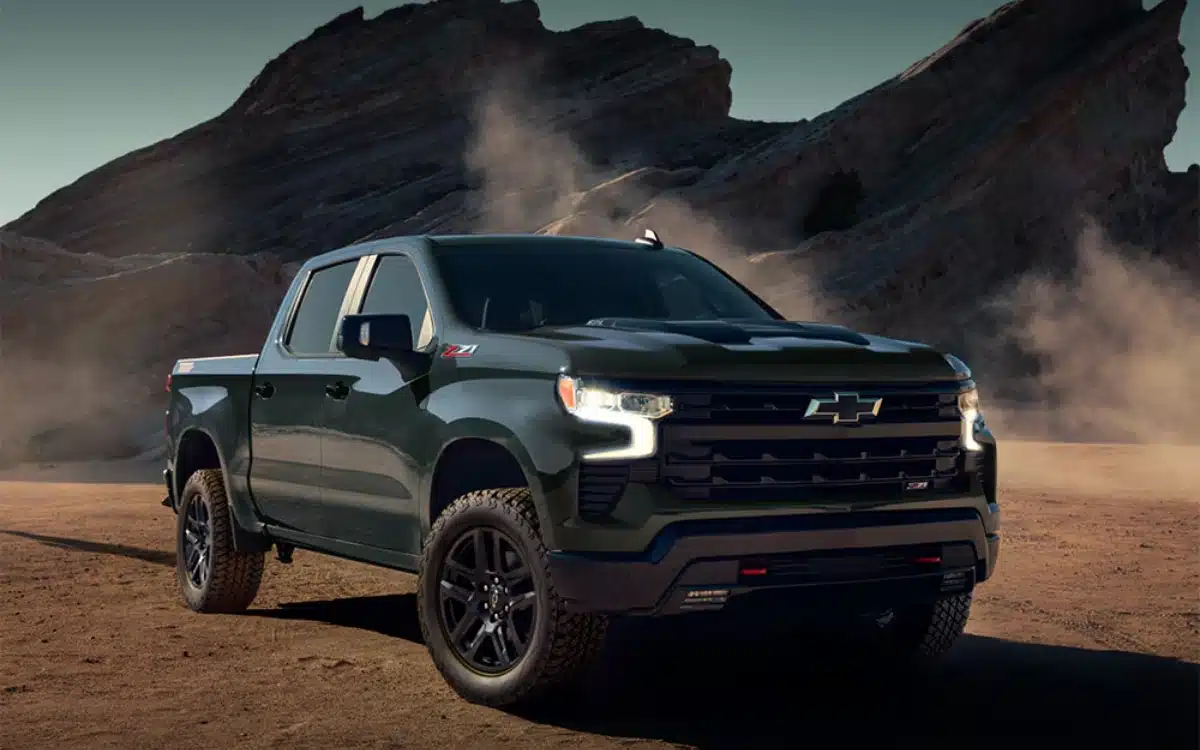
The affected engines have been installed in popular models from 2019 through 2024, including the Chevrolet Silverado 1500, Tahoe, and Suburban; the GMC Sierra 1500 and Yukon/Yukon XL; and the Cadillac Escalade and Escalade ESV.
The issue is particularly concerning because it affects vehicles marketed as premium, high-performance products. Many of these models retail for $60,000 to $100,000 or more, and owners expected reliability and long-term durability—especially in GM’s flagship V8 powertrain.

However, the lawsuits claim that the L87 engine design is fatally flawed. Drivers report incidents where the engine abruptly dies in the middle of traffic without triggering warning lights or fault codes. Some were unable to restart their vehicles and required expensive engine replacements, often at their own expense.
Legal Complaints and Class Actions Mount
More than a dozen lawsuits have been filed in federal and state courts across the United States, with several seeking class-action certification. Attorneys representing the plaintiffs claim that GM was aware of the defect for years but failed to notify consumers or issue a proper recall until significant damage had already occurred.
The legal complaints accuse GM of breach of warranty, consumer fraud, and failure to disclose known defects. Some lawsuits further argue that GM’s attempted solution—advising dealers to switch from 0W-20 to thicker 0W-40 oil and replacing certain parts only if visible damage is detected—is insufficient and does not address the underlying cause of the failures.
Lawyers are asking courts to compel GM to offer full engine replacements for all affected vehicles, extend warranties, and provide financial compensation for owners who have lost resale value or paid out-of-pocket for major repairs.
A Faulty Fix?
GM’s official response has been to offer inspections and oil changes, with engine replacements only provided in cases where mechanical wear can be verified. Critics argue that this approach leaves many customers vulnerable to sudden failures, particularly since the defect reportedly does not always show early warning signs.
Additionally, some lawsuits contend that the oil change solution compromises fuel economy. The thicker oil, they claim, puts additional strain on the engine and diminishes the benefits of GM’s Dynamic Fuel Management system, which is designed to deactivate cylinders during cruising to save gas.
Drivers have reported a noticeable drop in fuel efficiency after receiving the oil change remedy, with estimates of a 3% to 5% decline. In high-mileage vehicles, this could add up to hundreds of dollars per year in added fuel costs.
Owner Frustration Builds
Across online forums and social media, GM owners have shared stories of frustration, long wait times for repairs, and a lack of transparency from dealerships. Some claim they waited months for replacement engines, while others were told their vehicles didn’t qualify for repairs despite experiencing stalling or unusual engine behavior.
One owner of a 2023 Yukon Denali reported their vehicle’s engine locked up entirely at just over 20,000 miles. “No warning lights, no strange sounds—just instant failure on the freeway,” the driver wrote. “I could have been rear-ended. It was terrifying.”
Others echoed similar experiences, saying they had trusted GM’s reputation for quality but were now unsure whether they could depend on their vehicles for daily use or resale.
What Happens Next
Legal experts say GM could be headed for a drawn-out legal battle unless it takes more decisive action. If class certification is granted in one or more of the lawsuits, the company could face billions in liability and pressure to expand the scope of its recall.
In the meantime, consumer advocates are urging GM to issue a more comprehensive solution, such as a full engine redesign or a blanket warranty extension for all affected vehicles, regardless of diagnostic test results.
As the litigation moves into discovery, attorneys will likely seek internal GM documents to determine what the company knew about the defect, when it became aware of the risk, and why it chose not to take more aggressive corrective measures earlier.
The road ahead remains uncertain for both GM and the hundreds of thousands of owners who may be impacted. What is clear, however, is that trust in one of GM’s most prominent powertrains has been shaken—and the legal and public relations fallout may only just be beginning.