Formula 1 is reportedly facing a €58 million lawsuit from the former promoters of the Russian Grand Prix, stemming from the sudden cancellation of the 2022 race following the onset of the Russia-Ukraine conflict. The legal dispute, unfolding in a London court, has reopened debates around the intersection of international sport, geopolitics, and contractual obligations.
At the heart of the lawsuit is a claim by the Russian race promoter—believed to be the organization that previously operated the Sochi Autodrom event—that Formula 1 unlawfully terminated its hosting agreement without refunding a substantial advance payment. That payment, estimated to be around €58 million, was reportedly made in full prior to the cancellation.
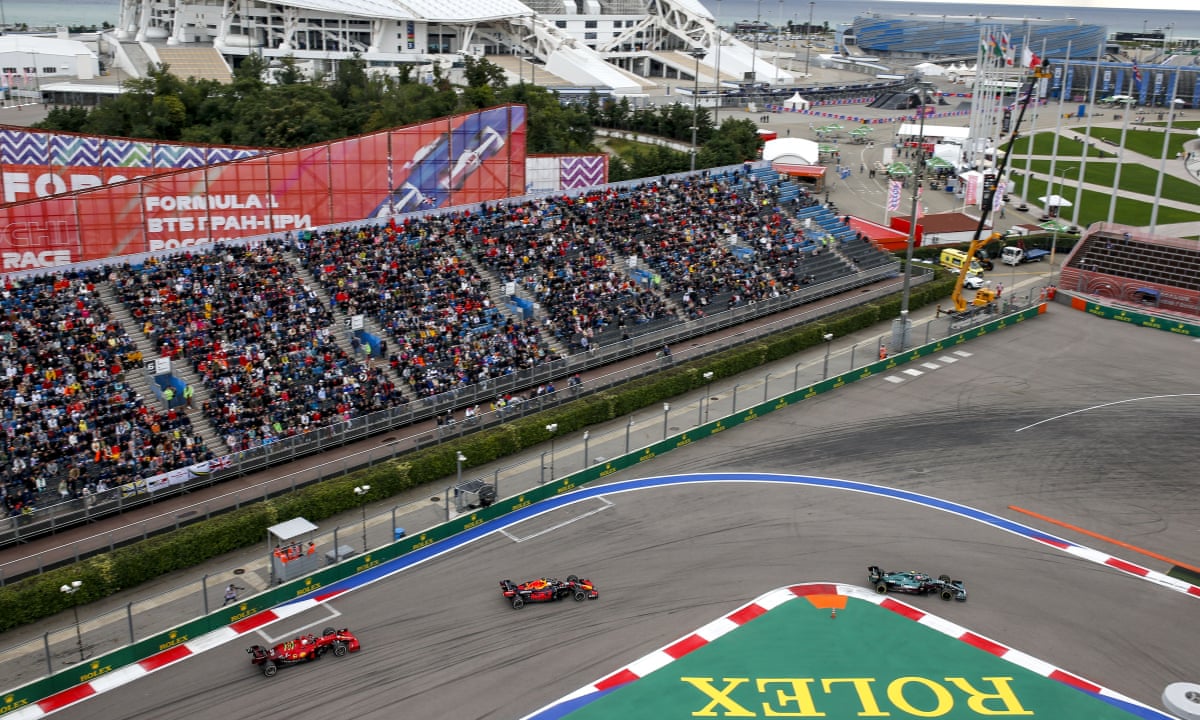
The 2022 Russian Grand Prix was set to be the final event in Sochi before the race was due to move to a new venue in St. Petersburg in 2023. However, following the outbreak of war in Ukraine in February 2022, Formula 1 swiftly announced the cancellation of the Russian Grand Prix and, shortly thereafter, terminated its multi-year contract with the race promoter altogether.
A Contract Terminated, A Refund Disputed
According to court filings, the race promoter argues that the cancellation constituted a breach of contract, given that the event had already been fully paid for and the necessary preparations were underway. Their position is that the cancellation, while politically understandable, did not negate F1’s contractual obligation to either deliver the event or refund the fee.
Formula 1, on the other hand, is expected to argue that extraordinary geopolitical circumstances—including the imposition of sanctions on Russian entities and the broader global reaction to the invasion—made it impossible to proceed with the race. Furthermore, legal representatives for F1 may contend that returning the payment could violate international sanctions, thus making compliance both legally and logistically impractical.
This puts Formula 1 in a precarious legal position: even if the court were to acknowledge that a refund is technically owed, fulfilling that obligation could still be legally restricted due to sanctions regulations in the UK and EU.
Beyond Business: A Political and Ethical Dilemma
The case presents more than just a business dispute; it underscores how global sports organizations must navigate complex ethical terrain in times of political crisis. Formula 1, like many other global sporting bodies, has been increasingly forced to consider the reputational and ethical dimensions of its partnerships.
The termination of the Russian Grand Prix in 2022 was part of a broader shift away from Russian involvement in international sport. F1 also severed ties with Russian sponsors and drivers, including the well-publicized exit of driver Nikita Mazepin and the dissolution of Uralkali’s sponsorship deal with Haas.
Still, the legal battle raises questions about whether a sporting body can—or should—be held financially accountable when it makes decisions based on global political circumstances rather than performance or logistics.
The plaintiff in the case is pushing back against the notion that external events fully excuse F1’s contractual obligations. Their legal team is likely to argue that F1 made a unilateral decision to cancel and terminate, without offering compensation or negotiation, thereby treating the promoters unfairly.
Industry-Wide Implications
The implications of the case stretch far beyond this single dispute. A verdict in favor of the Russian promoter could set a precedent that forces sports organizations to more carefully consider how they structure contracts, especially with entities in politically volatile regions.
Event promoters, teams, and governing bodies may begin inserting more robust “force majeure” or geopolitical risk clauses into contracts to provide clearer paths of action during global crises. Conversely, a ruling in favor of Formula 1 could reinforce the idea that sports organizations have the right to make sweeping moral or political decisions—even at financial cost—without facing legal retaliation.
Additionally, this case may influence future dealings between sports leagues and governments. It will serve as a cautionary tale about the risks of entering into long-term agreements with partners from nations that could become subject to global scrutiny or sanction.
The Road Ahead
The legal proceedings are expected to continue through the latter part of 2025, with both sides preparing extensive arguments. The complexity of the case—given its entanglement with international sanctions law, contract law, and the politics of sport—means that a resolution may not come quickly.
If the court rules in favor of the Russian promoter but acknowledges the legal difficulty of transferring funds due to sanctions, Formula 1 could still face reputational damage, even if no immediate financial penalty is imposed. On the other hand, a full dismissal of the case could reinforce F1’s position as a sport that is willing to take a firm moral stance in moments of crisis.
For now, the legal battle serves as a stark reminder that even the most glamorous sporting events are not immune to the weight of global politics. While Formula 1 has returned to racing in other parts of the world without controversy, the echoes of its decision in 2022 continue to reverberate—not on the track, but in courtrooms and boardrooms.