In a dramatic and unconventional twist in the saga of the recent Louvre heist, Pavel Durov, the founder and CEO of encrypted messaging platform Telegram, has publicly offered to purchase the eight priceless jewels stolen from the museum and return them — but with a stipulation that has captured global attention. The proposal, part daring gesture and part provocative challenge, has set off a wave of debate about ethics, security, and the lengths to which private individuals can intervene in matters of national cultural heritage.
The stolen jewels, estimated to be worth approximately €88 million, include two crowns, two brooches, two necklaces—one of emeralds and one of sapphires—a pair of earrings, and a single earring. Many of these pieces originally belonged to 19th-century French royalty, including Empress Eugénie and Empress Marie-Louise. The heist itself was executed with a precision that stunned law enforcement authorities. Using a lift truck to access a museum window, the thieves cut through glass display cases and escaped on scooters within minutes, leaving behind no obvious traces of their route or identities. The audacity of the daylight robbery has been described by experts as a cinematic feat, raising urgent questions about the security measures at even the world’s most prestigious museums.
Durov, who holds both Russian and French citizenship and currently resides in Dubai, announced his offer in a message posted on social media. He stated, in no uncertain terms, that he was willing to buy the jewels and return them to the museum, but he added a twist: the transaction would take place only under conditions that he could negotiate, including assurances regarding the handling of the jewels and their future security. The exact nature of his stipulation has not been disclosed, but commentators speculate that it may involve enhanced transparency, recognition of his role, or a statement on museum security.
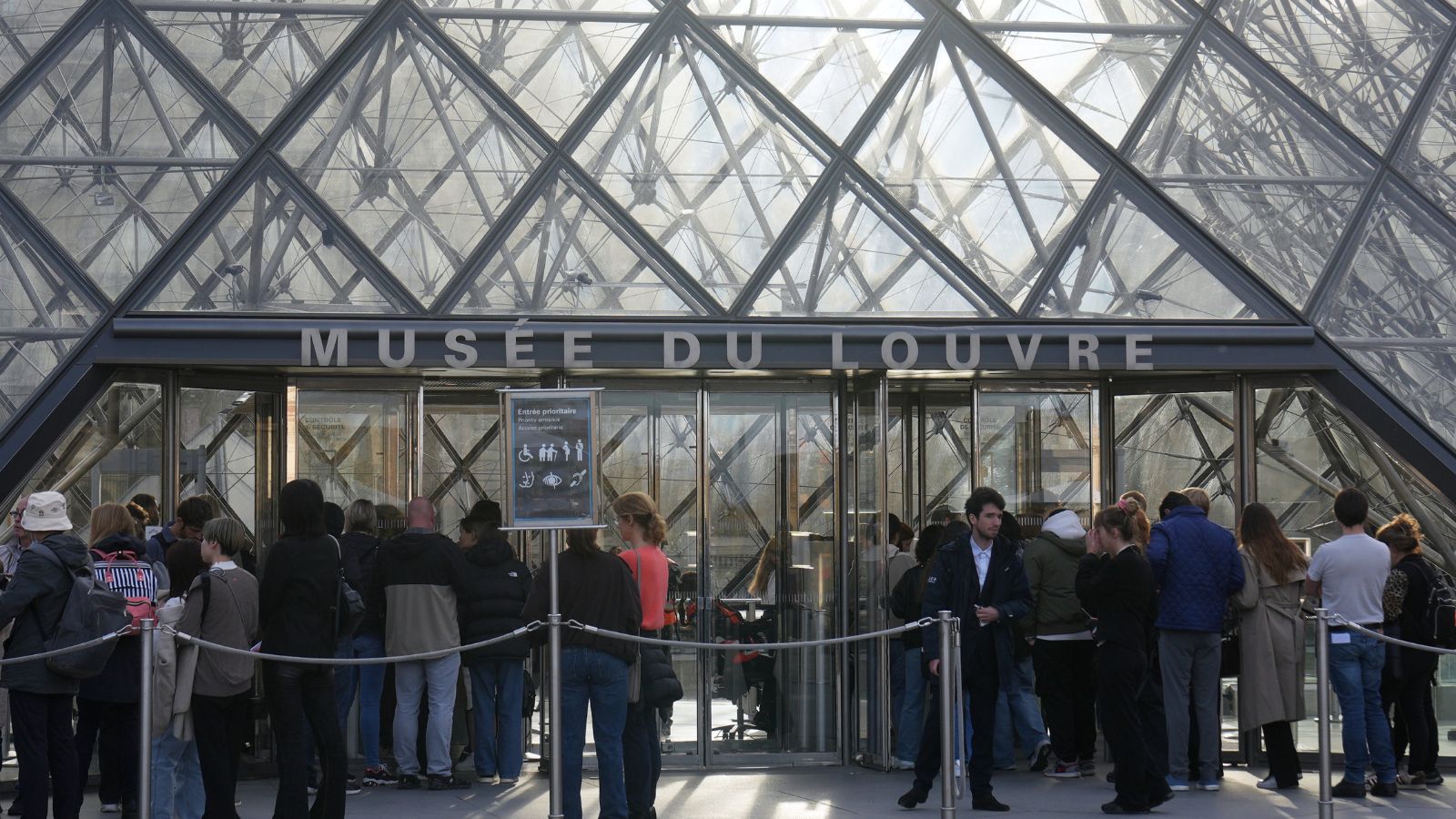
The reaction to Durov’s announcement has been a mix of astonishment, amusement, and concern. Some observers see it as a potential way to recover the priceless artifacts quickly, while others criticize it as an opportunistic maneuver that could undermine the authority of French law enforcement and national cultural institutions. Durov himself has cultivated a reputation as a provocateur in both the tech and political spheres, often positioning himself as a defender of privacy and digital freedoms. His offer is consistent with a pattern of high-profile gestures that blend publicity, personal ideology, and practical intervention.
The Louvre Museum, one of the most visited and renowned cultural institutions in the world, has expressed determination to recover the stolen jewels and bring those responsible to justice. Museum officials have acknowledged the heist has exposed vulnerabilities in their security protocols, prompting a comprehensive review of surveillance, access controls, and response procedures. The theft has ignited a national conversation in France about the protection of cultural treasures and the responsibilities of institutions entrusted with priceless works of art.
Durov’s involvement introduces a new dynamic. While law enforcement agencies focus on apprehending the thieves, a private offer of this magnitude and visibility could complicate the legal and diplomatic landscape. Accepting such a proposal might expedite the return of the jewels, but it could also set a precedent where wealthy individuals assert influence over the handling of stolen cultural property. Critics argue that this could blur the lines between justice, philanthropy, and personal branding.
On the other hand, supporters contend that unconventional solutions may be necessary in extraordinary circumstances. They point out that the jewels are of immense cultural and historical significance, and any path to their safe return should be considered. Durov’s offer, while unorthodox, could potentially save the artifacts from being lost to private collectors or criminal networks permanently. It also underscores the growing role of private actors in global security and cultural preservation, especially in an era when traditional institutions may struggle to respond swiftly to novel threats.
The public has been captivated by the unfolding drama, which combines elements of high-stakes crime, billionaire intervention, and the enduring allure of royal jewelry. News outlets around the world have speculated on the motivations behind Durov’s proposal, debating whether it reflects genuine altruism, a desire for publicity, or a strategic move to assert influence in the global tech and cultural arenas. In any case, it has generated unprecedented attention for the Louvre heist and for the broader issue of museum security.
Legal experts caution that even if Durov’s offer were to be accepted, numerous regulatory and procedural hurdles would need to be navigated. Questions about ownership, liability, and compliance with French law would have to be addressed. The transaction could also provoke diplomatic considerations, given Durov’s international profile and the global attention the case has already attracted. Nonetheless, the announcement has injected an element of urgency and possibility into a case that might otherwise drag on for months or even years.
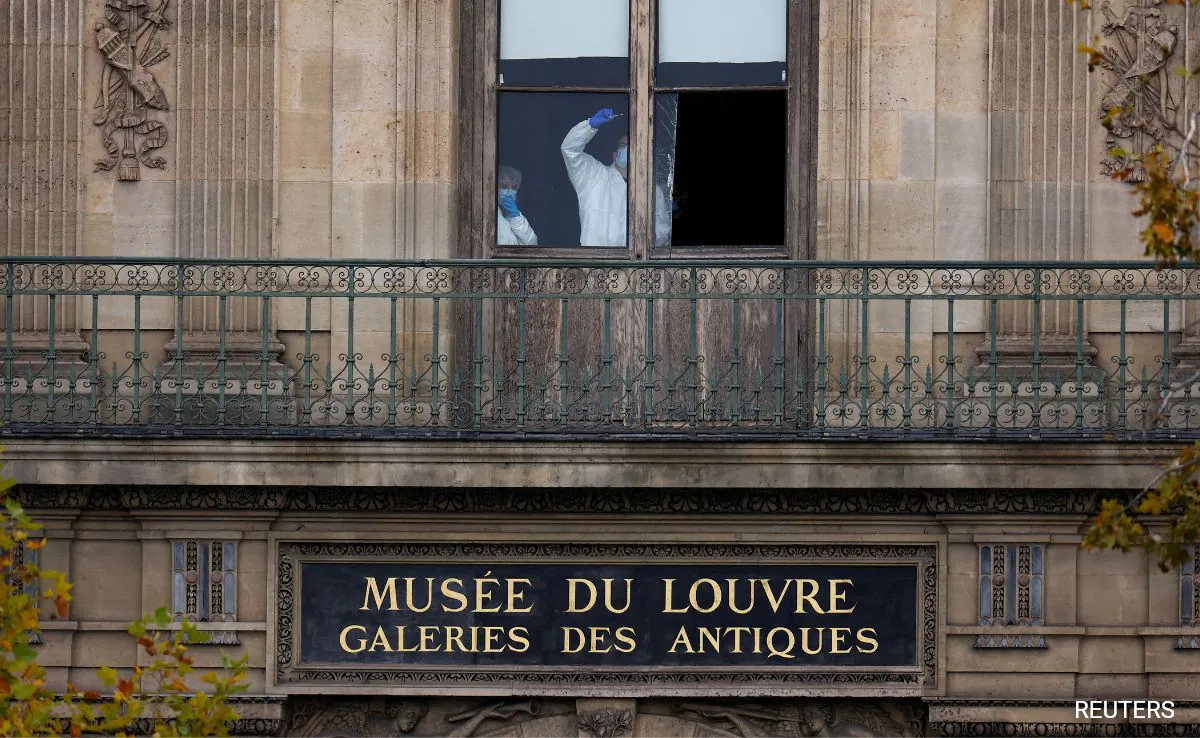)
As investigators continue their efforts to identify the thieves and recover the jewels, Durov’s proposition has expanded the conversation to include the ethics of intervention, the responsibilities of private citizens, and the intersection of wealth, influence, and public trust. It highlights how, in the modern world, the recovery of cultural treasures may not depend solely on traditional law enforcement but could involve creative, sometimes controversial, approaches.
The fate of the stolen Louvre jewels now hangs in a delicate balance. Whether Durov’s offer will be embraced or dismissed, it has already reshaped the narrative around the heist, blending crime, technology, and audacity into a story that continues to capture the public imagination. In the coming days, the world will be watching closely to see if one of history’s most audacious robberies can be resolved not through police intervention alone, but with the intervention of one of the most enigmatic figures in global technology.