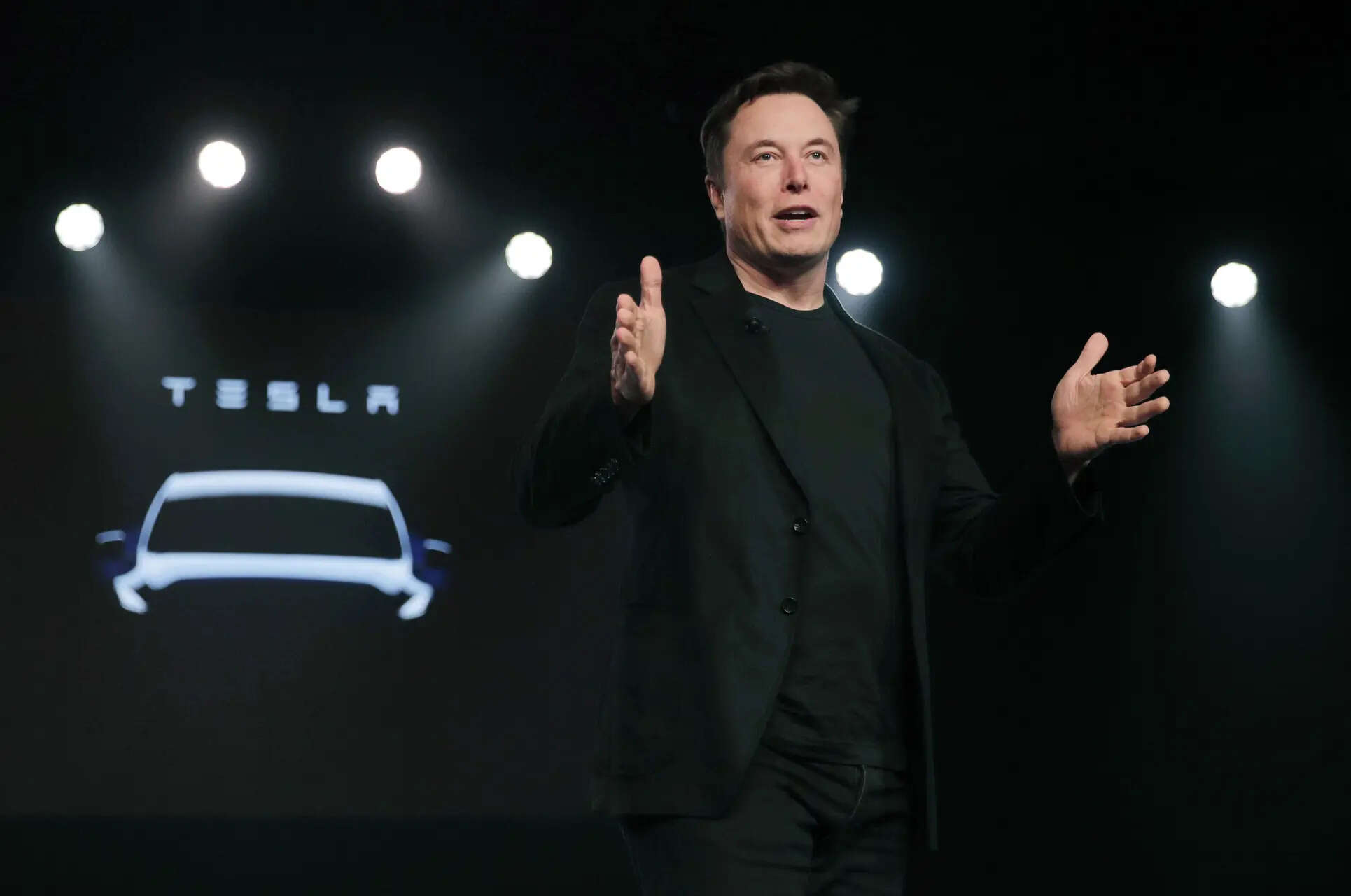
In a landmark corporate moment, Tesla shareholders have voted overwhelmingly to approve a record-breaking compensation package for Chief Executive Officer Elon Musk, valued at up to $1 trillion. The decision, backed by more than 75 percent of shareholders, cements Musk’s position as one of the most influential and highly compensated executives in history — and underscores investors’ continued faith in his leadership despite ongoing controversies and challenges.
The vote took place during Tesla’s annual meeting at the company’s Gigafactory in Austin, Texas, where thousands of investors and employees gathered to hear the results. The approval followed weeks of intense debate within the financial community over the size, structure, and implications of the plan. The outcome signals that the majority of Tesla’s investors remain firmly aligned with Musk’s long-term vision of transforming the company from a pioneering electric-vehicle manufacturer into a multi-sector technology giant focused on artificial intelligence, robotics, and autonomous mobility.
The Structure of the Pay Plan
The newly approved compensation plan is designed around a series of performance-based milestones that Musk must meet over the next decade. Rather than providing a salary or cash bonus, the package consists entirely of stock optionstied to Tesla’s ability to achieve extraordinary operational and financial targets.
The plan includes twelve tranches of stock awards that Musk can unlock only if Tesla reaches progressively higher levels of revenue, profit, and market capitalization. Among the most ambitious targets are producing 20 million vehicles annually, deploying one million robotaxis, and commercializing humanoid robots for industrial and consumer applications. If all these milestones are met, Tesla’s market capitalization could rise to an unprecedented $8.5 trillion — roughly five times its current level.
Musk’s potential payout under this plan would give him ownership of about 12 percent of Tesla’s outstanding shares, reinforcing his already dominant position within the company. Despite the staggering size of the package, Musk will receive nothing if Tesla fails to hit its goals, making the plan entirely contingent on performance.
Why Shareholders Approved It
Supporters of the deal argue that the package reflects Musk’s unique ability to deliver transformative growth. They contend that Tesla’s success — from its rise as a niche EV maker to a global leader in electric vehicles and clean energy — has been inseparable from Musk’s vision and relentless drive. For many investors, the enormous potential payout is justified by the equally enormous ambitions that define Tesla’s next chapter.
Tesla’s board framed the plan as a “retention and motivation” mechanism, designed to ensure Musk remains focused on the company amid his growing involvement in other ventures such as SpaceX, X (formerly Twitter), and xAI. Chairperson Robyn Denholm told shareholders that Musk’s leadership is irreplaceable at this stage of Tesla’s growth, arguing that aligning his financial incentives with Tesla’s long-term success is vital to the company’s future.
The board also highlighted the historical precedent of Musk’s earlier 2018 pay plan, which at the time was the largest compensation deal ever approved for a public company CEO. Despite skepticism, Tesla went on to achieve many of the targets set under that plan, driving massive shareholder returns. To supporters, the new package continues that same logic — a high-risk, high-reward bet on one of the most visionary entrepreneurs of the modern era.
The Controversy Surrounding the Vote
The decision did not come without fierce criticism. Many governance experts and institutional investors voiced concerns that the pay package was excessive, even by Silicon Valley standards. Critics argue that a trillion-dollar potential payout risks concentrating too much power and wealth in one individual, potentially undermining Tesla’s corporate governance and accountability structures.
Some investors also questioned the feasibility of Tesla’s targets, noting that many of the milestones depend on technologies that are still under development or not yet commercially proven. Skeptics argue that such lofty expectations could create pressure for overly aggressive expansion or unrealistic investor expectations.
There were also fears that Musk’s growing influence — combined with his ownership stake in other high-profile ventures — could dilute his focus on Tesla’s day-to-day operations. Detractors warned that granting him an even greater share of voting power could make it more difficult for the board to exercise oversight in the future.
Market Reaction
Following the announcement of the shareholder vote, Tesla’s stock rose in after-hours trading, signaling that investors largely welcomed the resolution of months of uncertainty. Analysts described the approval as a “vote of confidence” in Musk’s leadership, particularly after recent volatility in Tesla’s share price and questions about the company’s growth trajectory.
Still, the road ahead remains challenging. Tesla faces intensifying competition in the global electric vehicle market, with Chinese manufacturers rapidly gaining ground. Profit margins have come under pressure from price cuts and high input costs, while regulatory scrutiny continues to mount in both the U.S. and Europe. For Tesla to justify the scale of Musk’s compensation, it will need to not only sustain but dramatically accelerate its innovation in AI, robotics, and autonomous driving.
The Broader Implications
The approval of Musk’s trillion-dollar pay plan is likely to reshape the conversation around executive compensationacross corporate America. The sheer size of the award dwarfs all other CEO pay packages in history and may set a new benchmark for performance-linked compensation at high-growth companies. However, it also raises questions about income inequality, corporate governance, and the balance between rewarding vision and ensuring accountability.
For Musk, the decision is both a personal and strategic victory. It reaffirms his control over Tesla’s direction at a time when the company is pivoting toward becoming a leader in artificial intelligence and robotics — ambitions that extend far beyond electric vehicles. In his address to shareholders following the vote, Musk expressed gratitude for their continued trust, calling the decision “a mandate to build the future we’ve only imagined.”
Looking Ahead
Whether the trillion-dollar plan proves to be a masterstroke or a cautionary tale will depend entirely on Tesla’s performance in the coming years. The company must deliver technological breakthroughs, scale new markets, and maintain profitability at levels few automakers have ever achieved. For now, shareholders have chosen to bet big — not just on Tesla’s products, but on Musk himself.
The approval of this pay plan marks a defining moment in the evolution of corporate leadership, blending ambition, innovation, and controversy in equal measure. It underscores the central question of the Musk era: how much is too much when the potential reward is the transformation of entire industries?