In a move that marks the end of an era for PC builders and hardware enthusiasts, Crucial — one of the most recognizable names in consumer memory and storage — will cease selling RAM and SSD products to the public after nearly three decades in the market. The decision, announced by parent company Micron Technology, signals a significant shift in strategy as the company pivots toward the booming demand for memory in artificial intelligence and data-center applications.
For many, Crucial has been synonymous with accessible, reliable, and affordable PC upgrades. From early SDRAM modules in the 1990s to modern DDR5 kits and NVMe SSDs, the brand has long been a favorite among DIY enthusiasts, gamers, professionals, and everyday users looking to breathe new life into aging hardware. The withdrawal of such a well-established player leaves a noticeable gap in the consumer landscape — one that could have meaningful repercussions across the industry.
Micron’s decision is driven primarily by the massive global shift toward AI computing. The explosion of machine-learning workloads, high-performance data centers, cloud computing, and enterprise-grade AI infrastructure has created unprecedented demand for advanced memory technologies. Everything from high-bandwidth HBM chips to large-capacity DDR5 modules is being consumed at record levels by businesses building or expanding AI capabilities. In this environment, consumer memory — where margins are smaller and demand is steadier but less explosive — has become less strategically important.
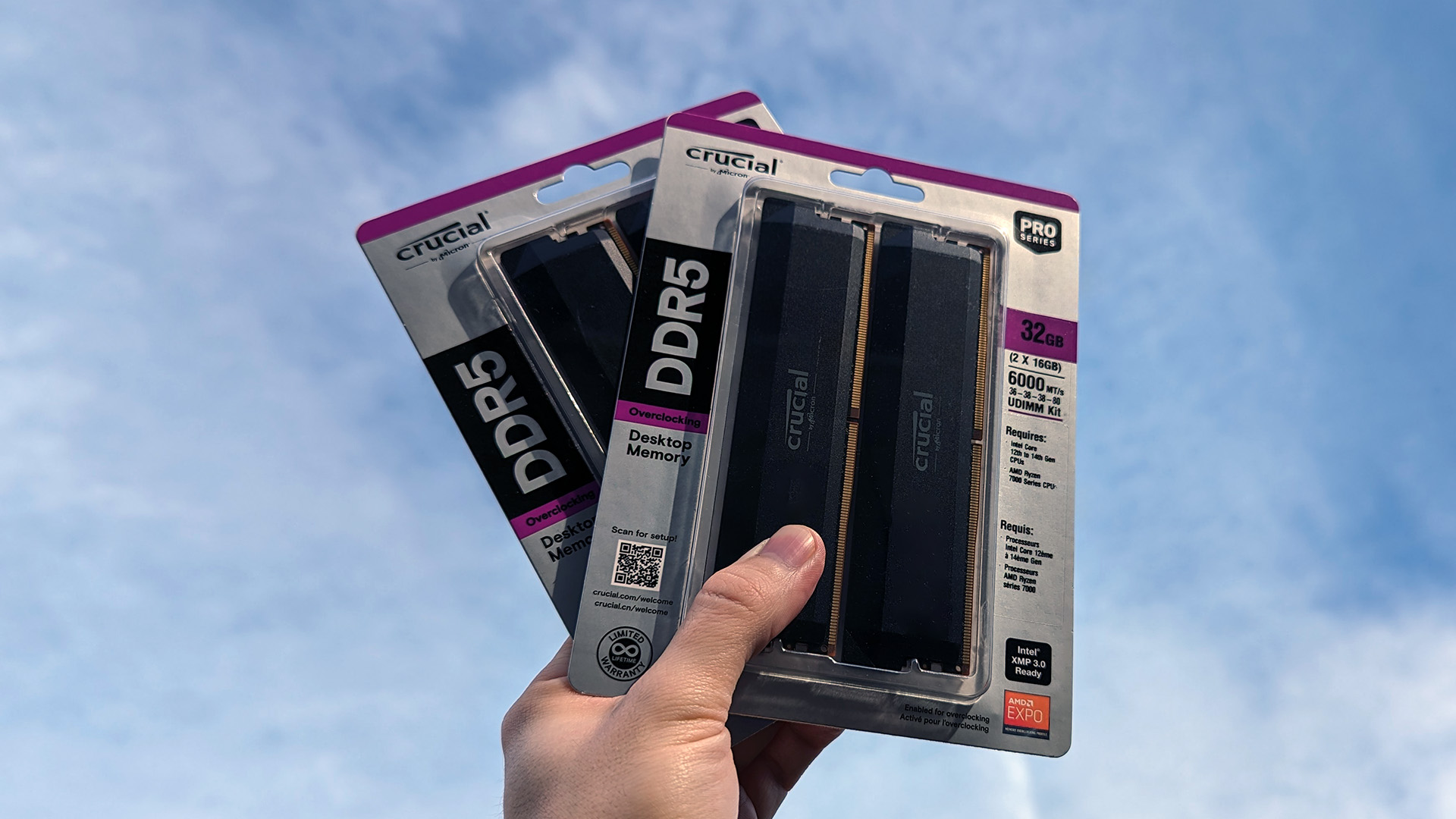
This shift also comes at a time when the memory market is tightening. Prices for DDR5 RAM have already been rising steadily due to supply constraints and the hunger for higher-spec modules demanded by AI accelerators and large server deployments. By reallocating production capacity away from consumer kits and toward enterprise-focused products, Micron aims to maximize profitability and meet the soaring needs of its biggest clients.
For consumers, however, the implications are less favorable. Crucial’s departure removes a major competitor known for undercutting the prices of rivals like Corsair, Kingston, G.Skill, and TeamGroup. With one fewer manufacturer participating in the retail space, the balance of supply and demand could shift, potentially leading to continued price increases or reduced availability of certain capacities and performance tiers — especially entry-level and mid-range kits that Crucial excelled at delivering.
In addition to RAM, Crucial will also wind down its consumer SSD lineup. This includes well-known product families like the MX and P-series NVMe drives, long regarded as some of the most dependable and cost-effective solid-state solutions on the market. While numerous SSD manufacturers remain active — such as Samsung, WD, Sabrent, and Silicon Power — losing a major brand known for consistent performance and transparent specifications further narrows the field.
Despite ending new product sales, Micron has stated that warranty support and customer service for existing Crucial products will continue for the duration of their respective coverage periods. Consumers who own Crucial RAM or SSDs should still expect full support for replacements, diagnostics, and service inquiries. However, the brand itself will no longer appear on store shelves or digital marketplaces once the phase-out is complete.
From a historical perspective, Crucial’s exit reflects a broader transformation occurring across the tech industry. As artificial intelligence becomes the dominant force shaping semiconductor demand, companies are increasingly prioritizing high-growth markets with long-term strategic value. The shift mirrors trends seen in CPU, GPU, and storage manufacturing, where enterprise and AI-oriented solutions are capturing disproportionately large investments and production resources.
For everyday PC builders, the change is emblematic of a market moving away from the hobbyist roots that defined the early 2000s and early 2010s. The DIY PC era — once fueled by a seemingly endless supply of affordable components and fierce competition — is giving way to a market driven by large-scale computing needs. While DIY building remains popular, especially among gamers and hardware enthusiasts, the industry’s center of gravity is clearly drifting toward enterprise-grade innovation.
Still, the exit of a single brand does not spell the end of consumer RAM and SSD options. Other companies are expected to expand their offerings, and some may even seize the opportunity to capture the customer base Crucial leaves behind. However, none have quite the same combination of price competitiveness, reliability, and broad market reach that Crucial established over the years.
The coming months will likely see a rush among consumers to purchase remaining Crucial stock before it disappears. Bargain hunters and loyalists may look to secure RAM kits or SSDs for future upgrades, knowing these products will soon become unavailable. Retailers may also adjust pricing or reorder quantities as stock levels begin to shrink.
As Crucial winds down its consumer operations, it leaves behind a 30-year legacy of empowering millions to build, upgrade, and maintain their computers with confidence and affordability. Although the brand in its familiar form will no longer be part of the consumer hardware lexicon, its influence on the PC-building world will remain — a reminder of a time when upgrading your computer was as simple as picking up a stick of RAM from a trusted name.
The future of consumer memory will undoubtedly continue to evolve, but Crucial’s departure serves as a turning point, marking a shift toward a more enterprise-driven technology industry. For those who grew up upgrading PCs with Crucial products, the end of an era has truly arrived.