A new nationwide survey of used-car owners has placed Tesla at the bottom of the reliability rankings, narrowly outperforming only one competing brand: Jeep. The findings highlight ongoing concerns about long-term durability in some of the nation’s most popular vehicles—especially electric models now entering the used market in large numbers.
Major Survey, Troubling Results
The annual study, which collects data from tens of thousands of used-vehicle owners across multiple model years, evaluated reliability based on reported problems within the previous 12 months. Respondents assessed their vehicles across a wide set of trouble categories, from engine and drivetrain performance to electric systems, body hardware, and infotainment.
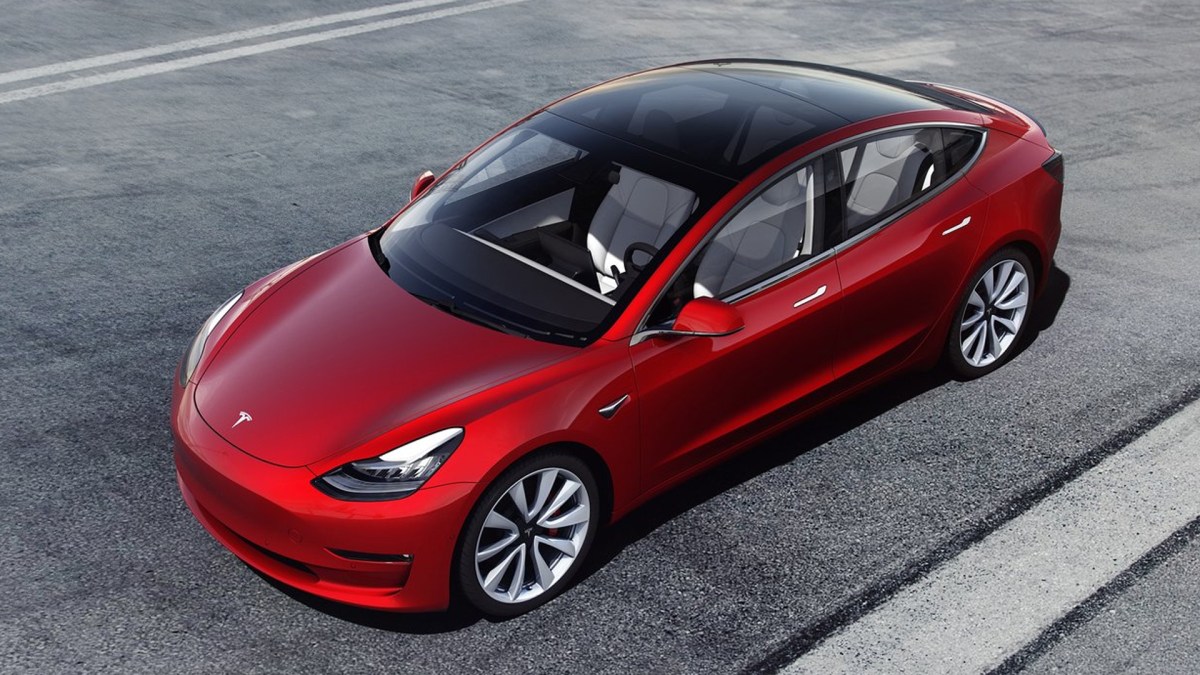
Tesla, despite its reputation for innovation and simplicity relative to internal-combustion cars, landed at the very bottom of the overall rankings. Only Jeep fared similarly poorly—and even then, Tesla’s score was marginally worse, giving it the unfortunate distinction of being rated the least reliable used-car brand in this year’s survey.
Why Used Teslas Struggle
For many consumers, the ranking may come as a surprise. Electric vehicles contain fewer mechanical components, lack oil changes, and eliminate common failure points such as transmissions and exhaust systems. Yet the survey results paint a more complicated picture of EV ownership—especially as these vehicles age.
Owners of older Teslas frequently reported issues that had less to do with electric drivetrains and more to do with build quality and peripheral systems. Chronic problems included malfunctioning door handles, rattling trim, cosmetic defects, touchscreen or infotainment malfunctions, and failures in the car’s extensive network of sensors. Some owners also cited difficulties with charging equipment or internal electrical architecture, which can be particularly costly to repair outside of warranty.
Many of the used Teslas in the survey come from model years produced during periods of rapid factory expansion. High demand, compressed manufacturing timelines, and evolving assembly processes may have contributed to inconsistent build quality during those years. While newer Teslas appear to show improved reliability, those quality gains do not retroactively fix the deficiencies present in earlier models—deficiencies that used-car buyers may now face firsthand.
Jeep’s Persistent Reliability Concerns
Jeep, the only brand to score nearly as low as Tesla, has long struggled with reliability issues stemming from its complex off-road systems, drivetrain components, and electronics. Owners of older Jeep models frequently report issues with suspension parts, engine components, and transmissions, especially in high-mileage vehicles that have been used for towing or rugged driving.
The survey suggests that while Jeep maintains a loyal customer base due to its iconic status and outdoor appeal, long-term dependability continues to be a weak point. However, the brand narrowly avoided the bottom slot, suggesting that its problems, while significant, were slightly less severe or slightly less frequent than those reported by Tesla owners this year.
A Tough Environment for Used EVs
The findings also speak to wider challenges in the growing used-EV market. Electric vehicles are still early in their lifecycle compared with their gasoline counterparts, meaning there is less historical data on how they perform over 8 to 12 years. Now that the first major waves of EVs—especially Teslas—are aging into the used market en masse, patterns are becoming clearer. Many early-generation EV models, not just from Tesla, are showing that their complexity in certain systems can offset the mechanical simplicity of their drivetrains.
One major pain point is the battery. Though EV batteries generally last many years, a failure outside warranty can be a major financial burden. Even when battery packs remain healthy, problems with cooling systems, charging modules, or high-voltage components can lead to expensive repairs. While such failures remain statistically uncommon, their impact on overall reliability rankings is significant due to the high cost and inconvenience involved.
What Buyers Should Know
For used-car shoppers, the new rankings provide both caution and clarity. Electric vehicles, especially early-production batches, may not yet match the long-term reliability of well-established gasoline vehicles. Buyers drawn to the lower fuel and maintenance costs of an EV should weigh those savings against the possibility of electrical or hardware issues as the vehicle ages.
Similarly, prospective Jeep buyers should be aware that while the brand offers strong capability and driver appeal, this may come with higher maintenance and repair needs over the vehicle’s lifespan.
Experts increasingly recommend that used-car buyers research not only the brand but also the specific model year. Both Tesla and Jeep have made quality improvements in more recent model cycles, meaning that newer vehicles from these brands may not reflect the problems identified in the older models surveyed.
Looking Ahead
Despite its poor showing in this year’s used-car ranking, Tesla’s outlook for new vehicles appears to be improving. Independent assessments have noted better build quality, more consistent manufacturing, and a more stable parts supply chain in recent years. If these improvements hold, future used-car studies may show the brand climbing upward as today’s newer models enter the pre-owned market.
For now, though, the survey delivers a clear message: aging Teslas remain among the riskiest bets in the used-car world, with Jeep trailing close behind. As used-car inventories expand and competition increases, these findings may shape consumer expectations—and influence which brands shoppers are willing to trust with their long-term transportation needs.