Netflix is preparing to dive back into the debt markets in a major way as it works to secure financing for its landmark deal to acquire Warner Bros. The move marks a return to the aggressive borrowing strategy that once earned the streaming giant the nickname “Debtflix,” and it signals the company’s willingness to take on significant financial risk in exchange for massive long-term strategic gains.
The proposed acquisition—valued at tens of billions of dollars—would be one of the largest media mergers in recent memory. For Netflix, it represents a chance to secure a deep library of iconic franchises, expand its global entertainment footprint, and solidify its dominance as the world’s leading streaming platform. But accomplishing that vision will require a substantial amount of capital, much of which Netflix intends to raise through new debt.
A Return to Heavy Borrowing
Just a few years ago, Netflix had successfully reduced its borrowing needs, achieving investment-grade credit ratings and promising investors it would no longer rely on the bond market to fund its massive content production machine. The company’s rapid subscriber growth and rising profits had strengthened its balance sheet, easing concerns about its once-ballooning debt load.
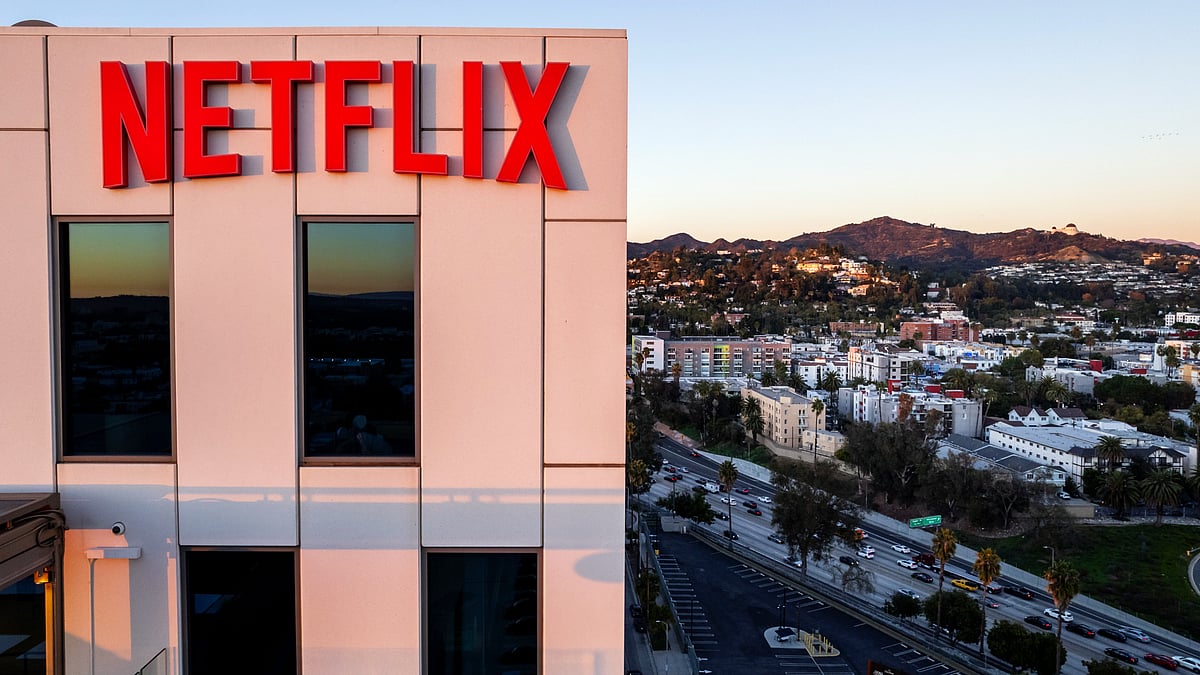
But the Warner Bros. acquisition changes the equation entirely.
To finance the deal, Netflix plans to raise a combination of short-term loans and long-term debt instruments. Early indications suggest the company could take on more than $50 billion in new debt—an amount that would dramatically swell its liabilities. This borrowing effort is expected to include bank loans, newly issued corporate bonds, and revolving credit lines designed to provide flexibility during the transition period.
Financial experts say the size of the borrowing package places Netflix among the most significant corporate debt issuers of the decade. Despite the risks, the company appears confident that the deal’s strategic value far outweighs its financial burden.
Why the Warner Bros. Deal Matters
The attraction of Warner Bros. is clear: few studios can match its treasure trove of legacy franchises and cultural touchstones. From Harry Potter and The Lord of the Rings to Batman, The Matrix, and HBO’s acclaimed catalog of prestige television, the acquisition would immediately give Netflix ownership of some of the most recognizable and profitable media properties in the world.
This content arsenal would elevate Netflix from a streaming company to an entertainment empire with direct control over both production and distribution. While Netflix already produces original series and films at an unmatched pace, ownership of deep, proven intellectual property would allow the company to compete more effectively with conglomerates like Disney and Universal.
In addition, Warner Bros. brings decades of production expertise, extensive international distribution networks, and a legacy of box-office success. Integrating these assets would position Netflix to expand beyond streaming into theatrical film releases, merchandise, and other lucrative revenue streams.
Challenges and Market Uncertainty
Despite the enormous potential, Netflix’s plan is not without significant hurdles.
First, investors and credit analysts are closely watching how the new debt will affect Netflix’s financial stability. Returning to high leverage could trigger credit-rating downgrades, which would make future borrowing more expensive. Although Netflix’s strong cash flows and global subscriber base provide some reassurance, the scale of the debt still poses a risk.
Second, the deal is unfolding amid fierce competition. Netflix is not the only company pursuing Warner Bros., and rival bidders may force the streaming giant to raise its offer or adjust its financing structure. Any changes could increase the borrowing required or complicate the terms under which it is secured.
Third, regulatory scrutiny is almost certain. With concerns about consolidation in the entertainment industry already running high, regulators are expected to examine the merger closely. Antitrust questions will be central, particularly because Netflix already dominates the streaming market. The acquisition of a major studio could raise alarms about reduced competition and the growing power of a single corporate entity over global entertainment distribution.
Delays caused by regulatory battles could increase the cost of the deal, affect financing arrangements, or even jeopardize the acquisition altogether.
Investor Reaction and Strategic Justifications
Investor response to the borrowing plan has been cautiously mixed. Some shareholders view the deal as a bold strategic step that could redefine Netflix’s future. They argue that control over Warner Bros. content would give the company a long-term competitive advantage that far outweighs short-term financial strain.
Others worry that the debt burden could limit Netflix’s flexibility at a time when the streaming industry is evolving rapidly. With competition from Disney+, Amazon, Apple, and other players intensifying, taking on significant new liabilities could leave Netflix vulnerable if subscriber growth slows or content costs rise faster than expected.
From Netflix’s perspective, the logic is straightforward: owning Warner Bros. gives the company a massive infusion of established, internationally popular franchises, reducing its reliance on continual spending for new original content. Instead of paying billions a year to license or produce hit series and films, Netflix could build entire multigenerational entertainment ecosystems around properties it owns outright.
The Road Ahead
While the debt plan signals a bold new phase for Netflix, the company acknowledges that the path forward will be complex. Financing arrangements must be finalized, competing bids countered, and regulatory approvals secured in multiple jurisdictions. The integration of Warner Bros., should the deal close, will require careful management to preserve the studio’s creative culture while aligning it with Netflix’s data-driven approach.
If Netflix succeeds, the merger could reshape the entertainment industry for decades, establishing Netflix as not just a streaming pioneer but a full-scale global powerhouse. If it falters, the debt load could become a defining liability.
For now, the world is watching as Netflix prepares to take the biggest financial gamble in its history—a bet that could either cement its status as the titan of modern entertainment or challenge its financial stability in ways not seen since its earliest days.