


In a development that has reignited global debate over artificial intelligence and information reliability, recent tests have revealed that the latest version of ChatGPT is using Elon Musk’s Grokipedia as a source for generating certain responses. The finding has raised serious questions about how modern AI systems gather knowledge, the credibility of AI-generated reference material, and the future of online information itself.
Grokipedia, an AI-generated online encyclopedia launched by Musk’s company xAI, was envisioned as a disruptive alternative to traditional platforms like Wikipedia. Unlike conventional encyclopedias that rely on human editors and contributors, Grokipedia is built almost entirely by artificial intelligence. Its articles are created, updated, and curated by algorithms, promising speed, scalability, and neutrality. However, critics have long warned that such automation may come at the cost of accuracy, accountability, and editorial responsibility.
The discovery that ChatGPT’s newest model is drawing upon Grokipedia for certain facts has surprised many observers, particularly given the well-known rivalry between Musk and OpenAI, the company behind ChatGPT. Independent testers noticed that when asked about obscure historical figures, niche geopolitical issues, and lesser-known scientific topics, ChatGPT’s phrasing and factual framing closely mirrored entries found in Grokipedia. In several cases, the similarities were too precise to be coincidental.
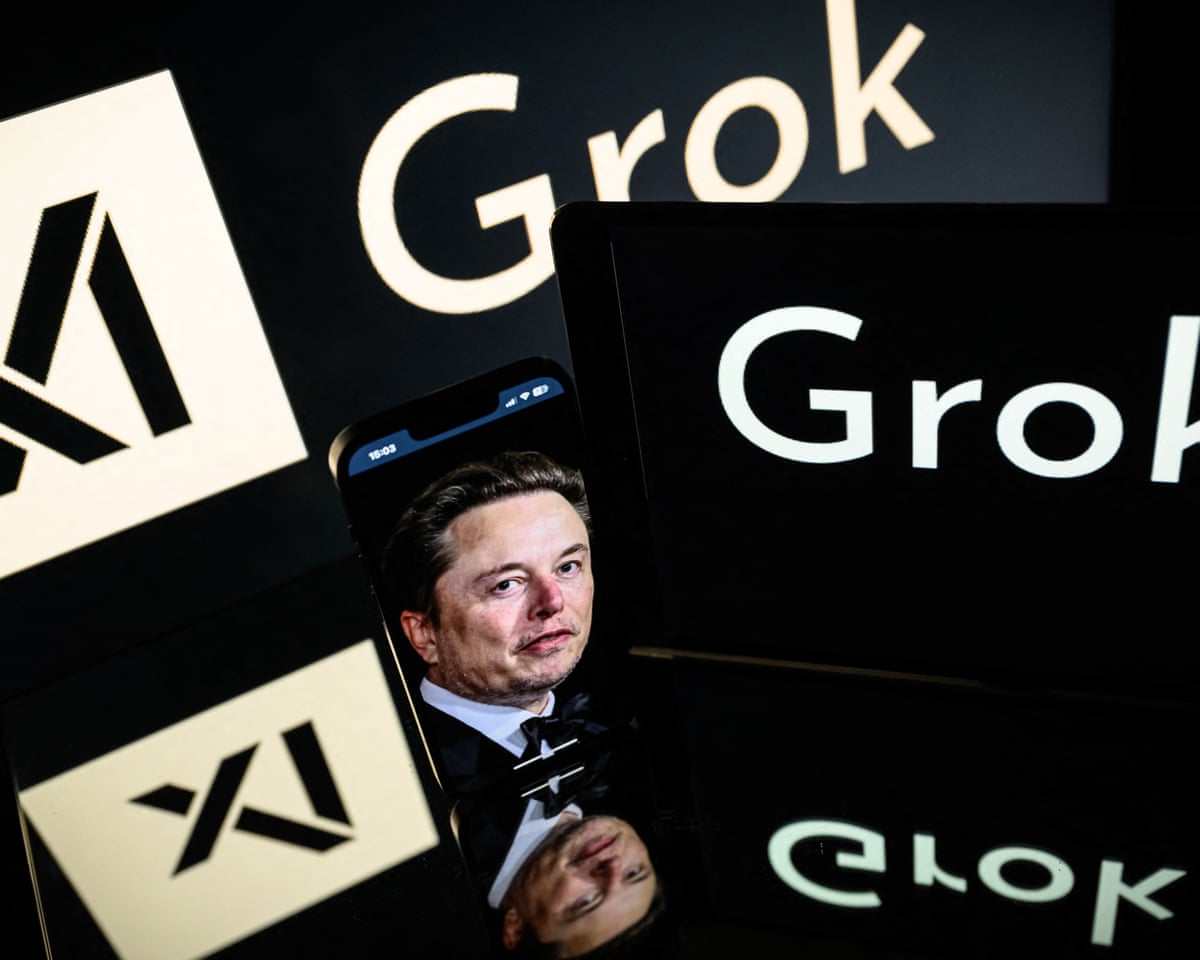
This marks a significant shift in how ChatGPT appears to source information. Traditionally, large language models rely on a broad mixture of licensed data, publicly available content, and curated reference materials. The incorporation of Grokipedia, an AI-authored knowledge base, suggests that AI systems are increasingly turning to other AI-generated content to supplement their understanding of the world. This development has triggered concerns about what experts call “AI echo chambers,” where machines recycle each other’s output rather than grounding their knowledge in independently verified human sources.
One of the most troubling implications is the potential amplification of errors. If Grokipedia contains incorrect, biased, or incomplete information, and that material is then absorbed and repeated by ChatGPT, such inaccuracies could spread rapidly across digital platforms. Unlike human-edited encyclopedias, where mistakes can be flagged, debated, and corrected through transparent processes, AI-generated content often lacks clear accountability. When AI becomes both the author and the consumer of knowledge, tracing the origin of a mistake becomes increasingly difficult.
Supporters of AI-generated encyclopedias argue that Grokipedia represents the future of information: dynamic, constantly updated, and free from the slow pace of human editorial review. They claim that AI systems can process vast amounts of data more efficiently than any group of volunteers or experts, making them better suited for a world where information changes by the minute. From this perspective, ChatGPT using Grokipedia could be seen as a logical evolution, where AI tools collaborate to provide faster and more comprehensive answers.
Yet critics counter that speed and scale do not necessarily equal truth. Human judgment, they argue, remains essential for evaluating sources, identifying bias, and ensuring ethical standards. Without such oversight, AI-driven knowledge platforms may unintentionally reflect the prejudices, blind spots, or flawed data present in their training sets. When another AI system like ChatGPT adopts these outputs as reference material, the risk multiplies.
The situation is further complicated by the broader rivalry between Elon Musk and OpenAI’s leadership. Musk was once a co-founder of OpenAI but later parted ways and became one of its most vocal critics. His launch of Grokipedia is widely seen as part of his broader effort to challenge existing power structures in the AI ecosystem. That ChatGPT now appears to rely on Musk’s AI-generated encyclopedia adds an ironic twist to this competition, blurring the lines between rivals and collaborators in the fast-moving AI world.
For users, the revelation raises important questions about trust. Many people rely on ChatGPT for quick facts, explanations, and even academic or professional guidance. If some of that information originates from another AI rather than from vetted human sources, users may need to be more cautious about treating AI outputs as authoritative. It reinforces the idea that AI tools should be treated as assistants rather than ultimate arbiters of truth.
OpenAI has not denied that its latest model may consult a wide range of online sources, including newer platforms. The company maintains that its systems are designed to evaluate and balance information from multiple origins, reducing the likelihood that any single source dominates its responses. However, the lack of transparency around how different sources are weighted continues to fuel debate among researchers, journalists, and policymakers.
The broader issue extends beyond ChatGPT or Grokipedia alone. As the internet becomes increasingly populated with AI-generated content — articles, images, videos, and now encyclopedic knowledge — future AI models may find themselves trained largely on material produced by other AI systems. This could lead to what some experts describe as “model collapse,” where originality declines and errors compound over time.
Regulators and educators are also paying close attention. Governments around the world are beginning to explore rules around AI transparency, source disclosure, and accountability. Some are calling for AI systems to clearly label when information comes from AI-generated sources, while others advocate for stronger barriers between human-verified knowledge and machine-created content.
Despite the controversy, many technologists believe this moment offers an opportunity rather than just a warning. It highlights the urgent need for better standards, clearer disclosure, and collaborative oversight in the AI industry. If managed carefully, the interaction between platforms like ChatGPT and Grokipedia could lead to more robust and self-correcting systems of knowledge.
For now, the revelation that ChatGPT’s latest model is using Grokipedia as a source serves as a reminder that artificial intelligence is no longer just consuming human knowledge — it is increasingly learning from itself. How society responds to this shift will play a critical role in shaping the future of information in the digital age.






