Ride-hailing giant Uber has introduced a new feature in the United States that allows women riders and drivers to avoid being matched with men on the platform. The initiative, designed to enhance safety and comfort for women, gives female users the option to request rides exclusively with other women. The feature represents a significant step in the company’s broader efforts to address safety concerns that have long surrounded ride-hailing services.
The option, called “Women Preferences,” enables women passengers to request a female driver when booking a ride through the Uber app. At the same time, women drivers can activate a setting that prioritizes ride requests from female riders, effectively allowing them to avoid picking up male passengers if they choose. According to the company, the feature aims to give women greater control over their ride-sharing experience while acknowledging concerns many female riders have expressed about traveling with unfamiliar male drivers.
The rollout follows months of pilot programs conducted in select American cities. During these early trials, Uber gathered feedback from both riders and drivers to understand how the feature could work in real-world conditions. The company reported strong interest from women users, many of whom said they felt more comfortable knowing they had the option to ride with another woman.

Safety has been a central issue for ride-hailing platforms for years. As services like Uber became a widely used form of transportation, reports of harassment, assault, and other safety incidents raised questions about how companies could better protect their users. In response, Uber has introduced a range of safety tools over time, including in-app emergency assistance, ride tracking, identity verification, and audio recording options for trips. The new women-matching feature builds on those efforts by addressing a concern that many women say directly affects their sense of security.
For riders, the feature appears as an additional setting within the app. Women can choose to activate the preference before requesting a trip, allowing the system to prioritize nearby female drivers. They may also set it as a default preference so that the app automatically attempts to match them with a woman driver whenever they request a ride. However, Uber has emphasized that the feature does not guarantee a female driver for every trip. Availability depends on how many women drivers are active in a particular area at a given time.
Women drivers are also given flexibility in how they use the feature. By turning on the “Women Rider Preference,” drivers can choose to accept ride requests primarily from female passengers. This setting can be switched on or off at any time, allowing drivers to decide whether they want to limit their rides to women or accept passengers of any gender.
Company officials say the feature is about providing options rather than imposing restrictions. Male drivers and riders are not excluded from the platform; instead, the system simply allows women users to express a preference. Uber believes this approach balances safety concerns with the platform’s open marketplace model.
The expansion of the feature across the United States also reflects patterns seen in other regions. In several countries around the world, ride-hailing companies have experimented with gender-matching services to address cultural and safety considerations. These programs often emerge in response to strong demand from women riders who want more control over who they share a ride with.
Despite its popularity among many users, the initiative has sparked debate. Critics argue that gender-based matching could raise legal questions about discrimination. Some industry observers have questioned whether allowing drivers or passengers to filter matches by gender might conflict with existing equality laws. Others worry that it could unintentionally reduce opportunities for male drivers if a large number of riders choose the women-only option.
Supporters of the feature counter that it addresses a real and persistent safety concern. Women’s advocacy groups have long highlighted the risks some women feel when traveling alone with unfamiliar men, particularly during nighttime trips. They argue that offering the option to choose a female driver or rider can increase confidence in ride-hailing services and encourage more women to use them.
Another challenge for the program lies in driver demographics. In the United States, women represent a smaller portion of the ride-hailing workforce compared to men. As a result, riders who activate the women-only preference may experience longer wait times, especially in areas where there are fewer female drivers available. Uber has acknowledged this limitation and says it is continuing efforts to recruit more women drivers to the platform.
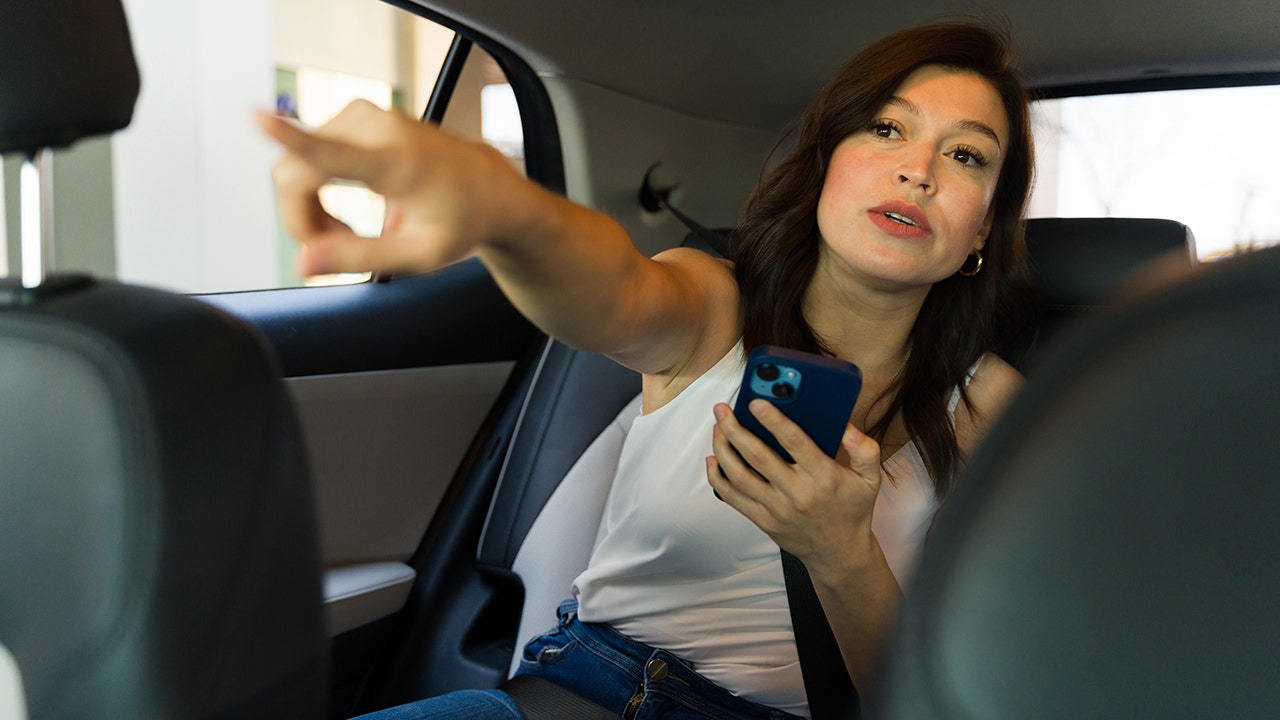
Encouraging more women to drive for ride-hailing services has been a priority for the company in recent years. Uber has launched programs aimed at supporting female drivers through flexible scheduling, safety resources, and community initiatives. The company hopes that the introduction of the women-matching feature will make the platform more appealing to women considering driving as a source of income.
The feature also reflects a broader shift in the technology and transportation sectors toward user-controlled safety tools. As digital platforms become more integrated into everyday life, companies are increasingly designing features that allow users to tailor their experiences according to personal comfort and security.
For Uber, the nationwide rollout represents both a response to user feedback and an attempt to reshape public perception of ride-hailing safety. By giving women the ability to avoid male drivers or riders if they choose, the company hopes to create a more inclusive and reassuring environment for its users.
Whether the feature becomes widely adopted remains to be seen. Its effectiveness will likely depend on driver availability, user awareness, and ongoing discussions about fairness and discrimination. However, the introduction of the option marks another step in the evolving relationship between technology platforms and the safety expectations of the people who rely on them every day.