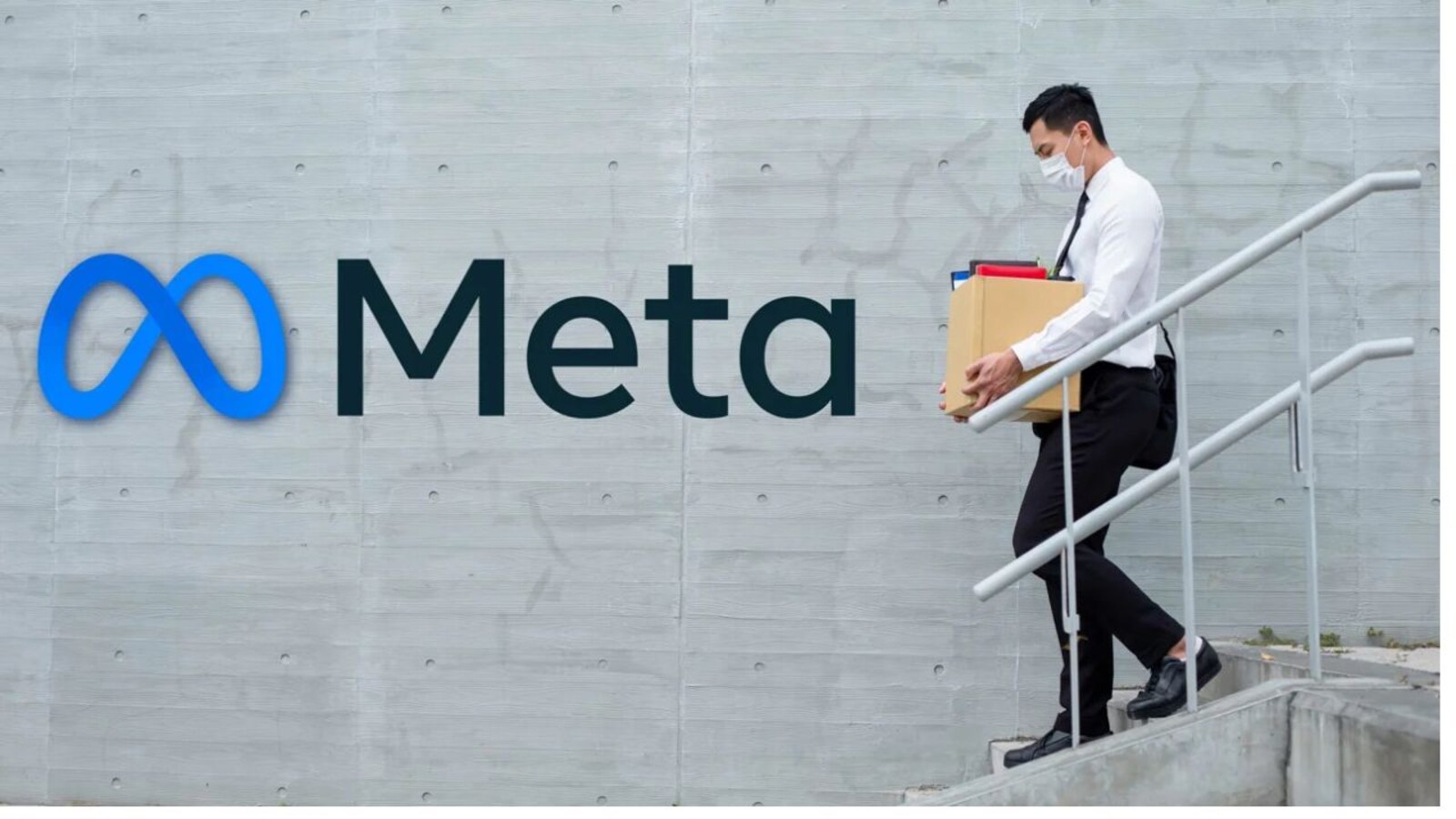
Meta Platforms Inc. has begun laying off hundreds of employees across multiple divisions, according to people familiar with the matter, as the social media giant intensifies its focus on artificial intelligence and operational efficiency.
The latest round of job cuts affects teams in areas including recruitment, sales, and the company’s experimental hardware and virtual reality unit. While the total number of layoffs remains undisclosed, insiders suggest that the reductions span several hundred roles globally. The move signals a continued restructuring effort at Meta as it recalibrates its long-term business priorities.
This development comes at a critical time for the company, which is undergoing a major transformation driven by rapid advancements in AI technology. Chief Executive Mark Zuckerberg has repeatedly emphasized that artificial intelligence will be central to Meta’s future, shaping everything from content recommendation systems to internal operations and product development.
Employees impacted by the layoffs include both technical and non-technical staff, with some teams being scaled down or reorganized entirely. In particular, divisions associated with earlier strategic bets—such as immersive digital environments and hardware—appear to be facing sharper cuts, reflecting a shift away from long-term speculative investments toward more immediate AI-driven growth opportunities.
Meta’s virtual and augmented reality division has been a focal point of scrutiny in recent years due to high spending and limited profitability. The current layoffs suggest that the company may be tightening its approach in this area, even as it continues to invest selectively in technologies tied to its broader vision of digital interaction.
In an internal communication, company leadership described the layoffs as part of an ongoing effort to streamline operations and ensure that resources are aligned with high-impact priorities. The company has also indicated that it is attempting to redeploy some affected employees into other roles, particularly those related to artificial intelligence and machine learning.
The restructuring reflects a broader trend across the global technology sector, where companies are increasingly shifting resources toward AI while reducing headcount in other areas. As automation and AI tools become more capable, firms are finding that certain roles can be consolidated or eliminated, allowing smaller teams to achieve similar or greater levels of productivity.
For Meta, this transition is not entirely new. The company has undertaken multiple rounds of layoffs in recent years as part of what Zuckerberg previously described as a push for “efficiency.” However, the current cuts underscore a more targeted approach—one that prioritizes investment in AI infrastructure, data processing capabilities, and talent with specialized expertise.
Industry analysts say the decision highlights the growing importance of AI as a competitive differentiator among major technology companies. With rivals also racing to develop advanced AI systems, Meta is under pressure to accelerate innovation while managing costs. This balancing act has led to difficult choices, including workforce reductions.
The layoffs also come at a time when Meta is navigating a complex external environment. Increased regulatory scrutiny, evolving user expectations, and heightened competition have all contributed to the need for strategic realignment. By focusing on AI, the company aims to strengthen its core platforms and unlock new revenue streams, particularly in areas such as targeted advertising and digital services.
Despite the layoffs, Meta continues to hire in key areas, especially those related to artificial intelligence. Job postings indicate a strong demand for engineers, researchers, and product managers with expertise in AI systems. This selective hiring suggests that while the overall workforce may shrink in certain segments, it is expanding in others aligned with the company’s future direction.
For employees, the news has brought a mix of uncertainty and reflection. While some may find opportunities within Meta’s evolving structure, others will need to seek roles elsewhere in an industry that is itself undergoing rapid change. The broader impact of such layoffs extends beyond individual workers, influencing talent flows and shaping the future of the tech labor market.
Observers note that the human cost of these decisions cannot be overlooked. As companies like Meta pursue efficiency and innovation, they must also contend with the social implications of workforce reductions. This tension is likely to remain a defining feature of the technology sector in the years ahead.
Looking forward, Meta’s strategy appears clear: double down on artificial intelligence while optimizing operations to support sustainable growth. Whether this approach will deliver the desired results remains to be seen, but the current layoffs mark a significant step in that direction.

As the company continues to evolve, its ability to balance innovation with responsibility—both to its users and its workforce—will play a crucial role in shaping its long-term success in an increasingly competitive digital landscape.