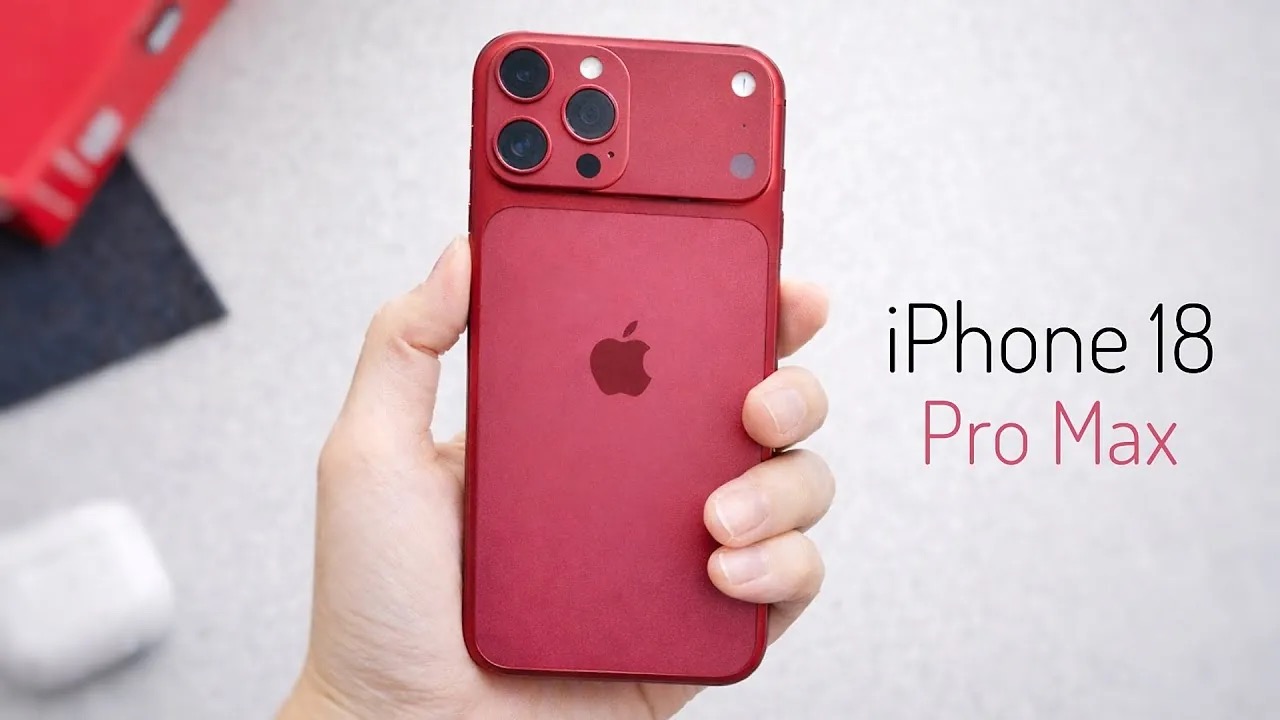
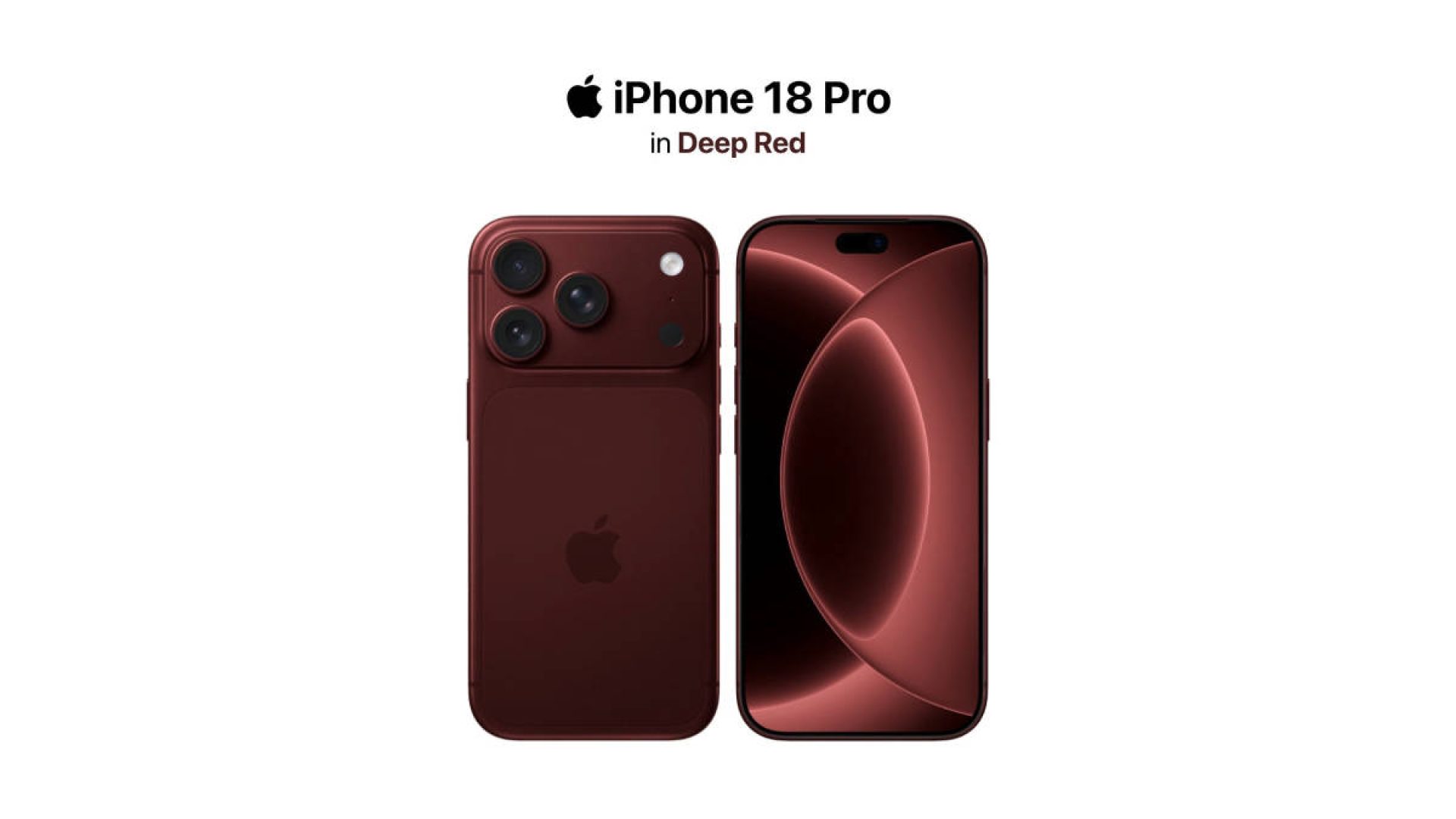
In what could be a striking design shift for its flagship devices, Apple Inc. is reportedly exploring a deep red color option for its upcoming Pro models. According to tipsters familiar with early development details, the iPhone 18 Pro and iPhone 18 Pro Max may arrive in a refined shade described as “saturated burgundy,” marking a bold yet sophisticated addition to Apple’s traditionally restrained Pro color palette.
While Apple has not officially confirmed these reports, the rumor has already generated considerable excitement among consumers and industry observers alike. Known for its meticulous attention to design, Apple has historically used color as a subtle but powerful differentiator, particularly between its standard and Pro iPhone models. If the burgundy finish materializes, it could represent one of the most distinctive visual updates to the Pro lineup in recent years.
Apple’s relationship with red iPhones is not new. In previous cycles, the company introduced bright red variants under its (PRODUCT)RED initiative, seen in models such as the iPhone 14. Those devices featured a vibrant, eye-catching red intended to stand out while also supporting global health causes. However, the rumored burgundy tone appears to signal a departure from that approach. Rather than a bright and glossy finish, this new color is expected to be deeper, richer, and more understated—tailored to align with the premium aesthetic of the Pro series.
The term “saturated burgundy” suggests a color that leans toward wine or maroon hues, offering a sense of depth and maturity. Such a finish could appeal to users seeking something more expressive than the neutral tones Apple has favored in recent years, such as graphite, silver, or titanium shades, without sacrificing the elegance associated with high-end devices. The move could also reflect Apple’s evolving understanding of its customer base, where smartphones are increasingly viewed as personal style statements as much as functional tools.

Color has become an important battleground in the premium smartphone market. While performance upgrades and camera innovations remain key selling points, visual differentiation plays a crucial role in influencing purchasing decisions. Apple has consistently leveraged this by reserving certain finishes for its Pro models, subtly encouraging users to opt for higher-end variants. A burgundy iPhone could further strengthen this strategy by offering a unique option that stands apart from both previous iPhones and competing devices.
From a design perspective, the success of such a color will depend heavily on its execution. Apple is known for its precise control over materials and finishes, ensuring that colors appear consistent across different components of the device. If the company continues to use advanced materials such as titanium for the iPhone 18 Pro lineup, the burgundy shade could be engineered to interact dynamically with light, creating subtle variations in tone depending on angles and lighting conditions. This would enhance the perceived depth and richness of the color, reinforcing its premium appeal.
The finish is also expected to extend seamlessly across the device, including the camera module and edges, maintaining the cohesive design language Apple has refined over multiple generations. Attention to such details is critical, as inconsistencies in color or texture can quickly undermine the overall aesthetic of a flagship device.
Beyond aesthetics, the introduction of a new color option can serve as a strategic move to refresh the lineup without requiring a major redesign. Smartphone form factors have largely stabilized in recent years, making incremental updates in color and finish an effective way to generate renewed interest. For Apple, which releases new iPhones on an annual cycle, such changes can play a significant role in maintaining consumer excitement and driving upgrades.
Market trends may also be influencing this direction. Rival smartphone manufacturers have increasingly embraced bold and unconventional colors to differentiate their products. By introducing a deep red option, Apple could respond to this trend while still adhering to its signature minimalist and refined design philosophy. The result would be a device that feels both fresh and unmistakably Apple.
The timing of the rumored release aligns with Apple’s typical product schedule, with the iPhone 18 Pro series expected to debut in the fall of 2026. As with all pre-launch information, however, the burgundy color remains speculative. Apple is known to test multiple prototypes and design variations internally, many of which never reach the final product stage. It is entirely possible that the color could be altered, delayed, or scrapped altogether before launch.
Nevertheless, the consistency of recent leaks and the specificity of the “saturated burgundy” description suggest that the idea is at least under serious consideration. If it does make it to market, it could quickly become one of the defining features of the new lineup, shaping both consumer perception and sales dynamics.
Early reactions from tech enthusiasts indicate strong interest in the potential color. Many users have expressed a desire for more distinctive finishes in premium smartphones, noting that current offerings often feel too conservative. A well-executed burgundy could strike the ideal balance, offering boldness without appearing overly flashy.
Ultimately, whether or not the deep red finish becomes a reality, the discussion underscores Apple’s continued emphasis on design as a core pillar of its product strategy. In a market where hardware improvements are often incremental, visual identity remains a powerful tool for differentiation.
As anticipation builds for the next generation of iPhones, the possibility of a burgundy Pro model adds an intriguing dimension to the narrative. If Apple follows through, the iPhone 18 Pro lineup may not just represent a technological upgrade, but a stylistic evolution—one that brings a richer, more expressive color back into the spotlight.