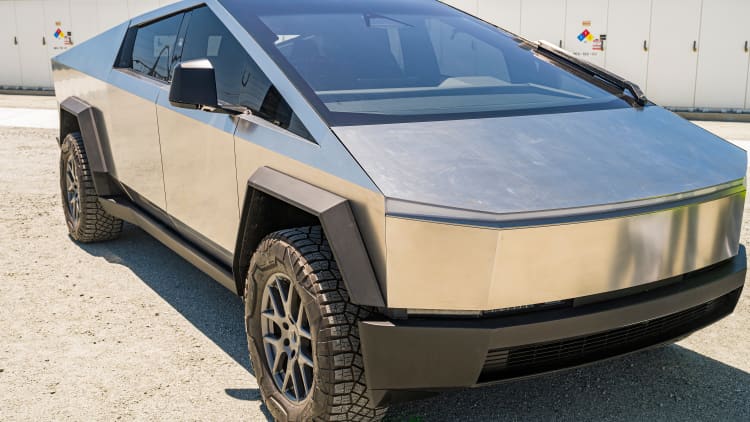
Headlines say Ramzan Kadyrov, Chechnya’s leader, has displayed military power this time in an outrageous way using the Tesla Cybertruck. He often drives to greet Kremlin officials and actively participates in Russia’s military actions. He was spotted driving a heavily modified Cybertruck that was amounting to an armored personnel carrier complete with weapons, which he says it will be sent to the Ukrainian frontlines.
Tesla Goes Military
Since its launch, the Tesla Cybertruck has been a subject of fascination and speculation by many People around the world. Its futuristic design and strong build make it very attractive to most people who are into technology; however Kadyrov’s model seems to take it too far. Images and videos shared on social media reveal that the car has some form of plating on it, there is a machine gun turret fitted at the top while others are seen with myriads of military grade enhancements.
This is another amazing example of how you can use a Cybertruck as an army vehicle. It poses the question of whether such a vehicle can be used for wars, especially in a place like Ukraine that has seen many random ceasefires with Russia.

Moreover, this speaks to broader discussions about modern warfare where unconventional and high tech vehicles have increasingly become part of the armory of military weaponry. It shows that military forces all over the world are changing and may start using civilian technologies to enhance their combat operations.
Essentially, the philosopher who wrote on military issues contended that wars are not fought with weapons but with ideas instead. Likewise, nowadays some people say all wars will eventually end through talking.
From this perspective, Kadyrov attempts to use his armed vehicle as a conversation starter with Putin; therefore he wants them to share in the whole process of his journey towards achieving it. Rather than attacking anyone or anything else, Kadyrov looks beyond the obvious attack modes and opts to befriend within enemy lines. However this way seems unorthodox in a world where many societies languish under the weight of dictatorship unlike in Russia, but still makes sense especially given current geopolitical conditions.
“Likewise,” it was noted before,” today’s wars are not so much about soldiers battling each other as they are about slashing through each other’s throats.” This implies that even if men are physically fighting for power over some region today, they may eventually attain it just by discussions whereas gunfire can only increase hatred among them. Thus Kadyrov does not use gunfire for punishing adversaries nor does he employ a sword or some other deadly weapons contrary to his Russian president’s traditional method; instead he drives an armored vehicle which serves both as defense mechanism against local bandits as well decorates its driver with modernity and tradition at once.
Experts are of the view that this may also affect Tesla’s reputation and image in foreign markets. So far, there has been no word from the company concerning Kadyrov’s conduct.
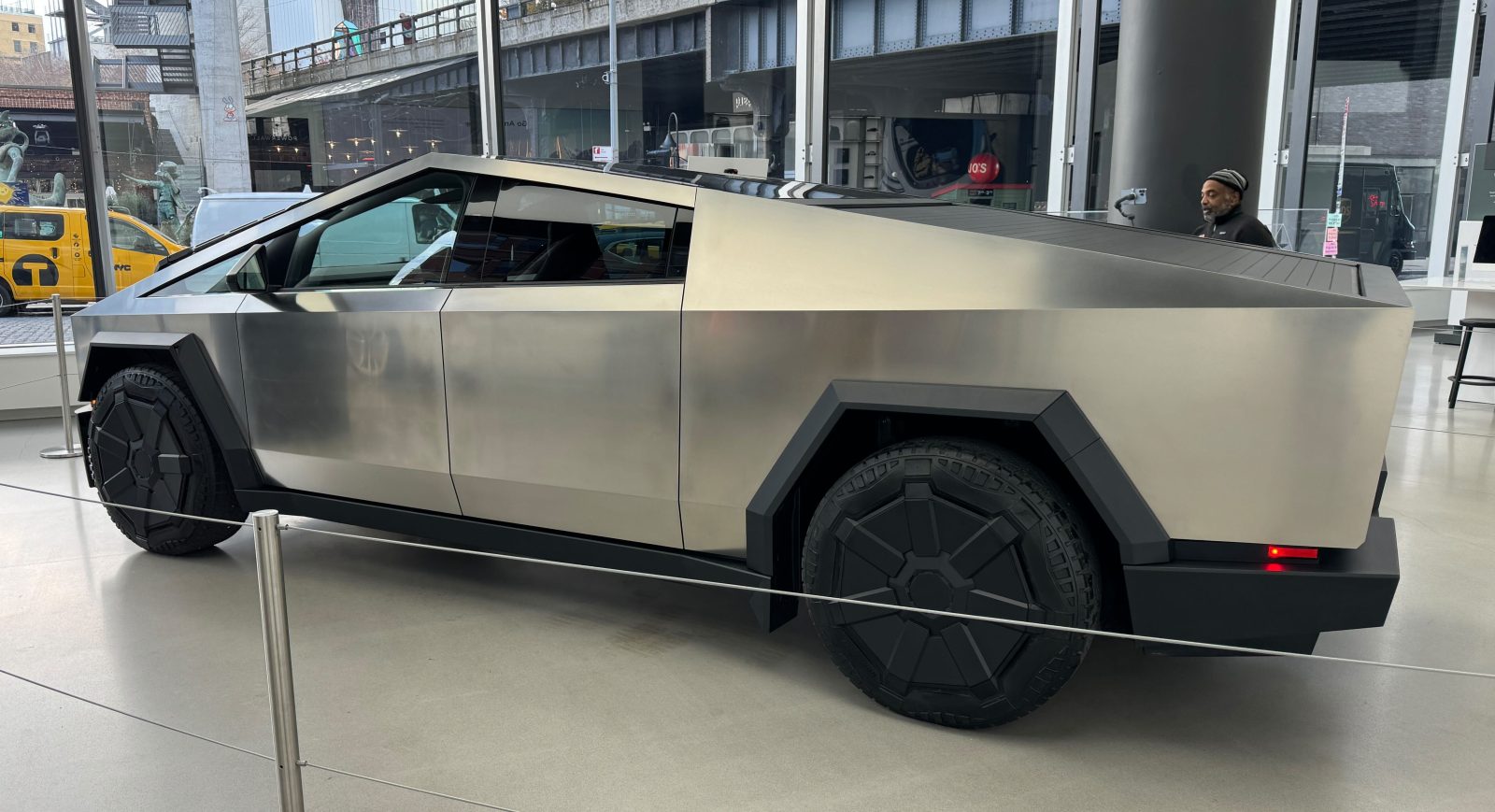
Kadyrov’s plan to send an armed Cybertruck into Ukraine is seen as a bold and unconventional act in light of ongoing conflict. This reveals alarming aspects about modern battles that are difficult to predict where new technologies become part of military operations. In this vein, it cannot be established how successful the machine would perform when placed on battlefields or if it has any other implication pertaining to that war and global geopolitics.
Conclusion
Ramzan Kadyrov’s showcase of a weaponized Tesla Cybertruck is an extraordinary example where modern engineering meets up with age-old military strategies. Not only does this represent rising hostilities between Ukraine and Russia but also calls for examining what role would civilian technologies play regarding armed operations down the road. As conflict transforms through such unorthodox modes, its dynamic-state may be altered even further by these criticsanski maneuvering cemented with inspirations from afar.