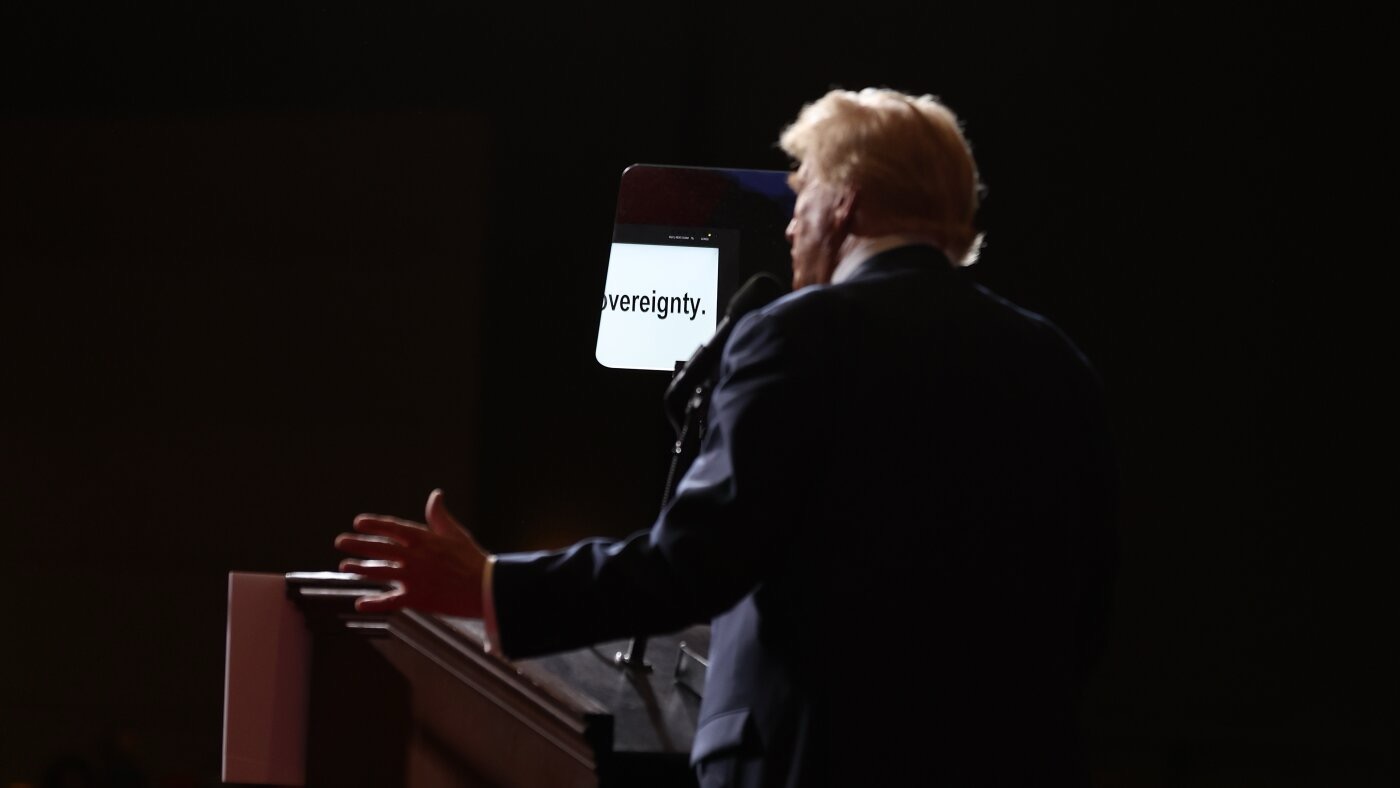
In a move that has both stunned and intrigued political and business leaders, former President Donald Trump has signed an executive order to establish a new entity tasked with taking over the Biden administration’s landmark semiconductor manufacturing program, known as the CHIPS (Creating Helpful Incentives to Produce Semiconductors for America) Act. This decision, announced today, marks a significant shift in the handling of the $52 billion initiative that aims to boost U.S. semiconductor production and reduce dependency on foreign technology.
Trump’s order calls for the creation of a new, independent organization designed to oversee and expand upon the CHIPS Act’s existing goals. The organization will have the authority to reallocate resources, initiate partnerships with private sector companies, and streamline the process of funding and distributing grants intended to revitalize the U.S. semiconductor industry. Trump emphasized that the program would be restructured to focus more aggressively on domestic manufacturing and reducing reliance on China for critical technology components.

“America’s future depends on regaining control over its own technological supply chain,” Trump said in a statement after signing the order. “The Biden administration’s efforts under the CHIPS Act have been admirable but have not gone far enough. This new entity will ensure that our semiconductor industry is both competitive and secure. We will no longer allow foreign adversaries to dominate this vital industry.”
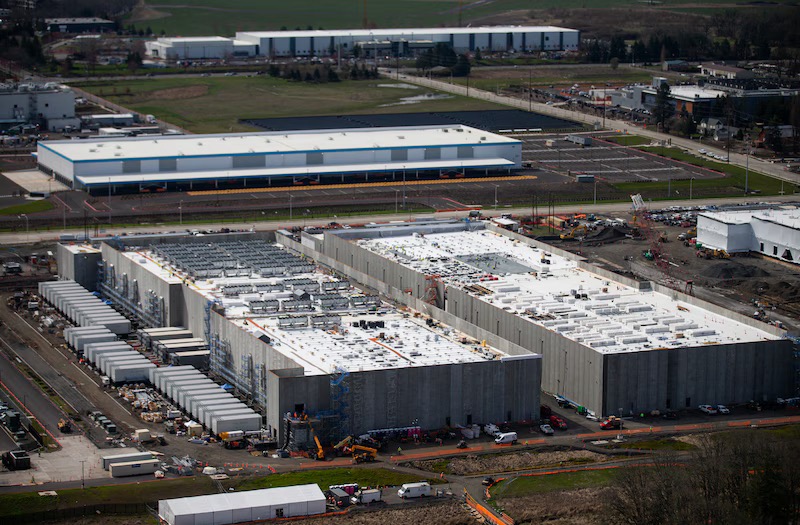
The move is expected to significantly alter the direction of the CHIPS Act, which was originally passed under President Joe Biden in 2022 to stimulate domestic semiconductor production in response to the global chip shortage. The law was heralded as a vital step toward securing America’s technological independence and bolstering national security by reducing reliance on international supply chains, particularly from China and Taiwan.
A Shift in Strategy
Trump’s decision to create a new entity to take over the CHIPS Act program comes at a time of heightened geopolitical tensions, particularly in relation to China. The former president, who has long been critical of the Chinese government, stated that his administration would prioritize the rapid development of U.S. chip manufacturing capabilities, viewing it as a matter of national security.
While Biden’s administration has made strides in the first few years of the CHIPS Act’s implementation, Trump argued that progress has been slow and insufficient in addressing the broader issue of global competition and supply chain vulnerabilities. In a speech accompanying the signing, Trump added, “Our factories will be second to none. We will lead the world in semiconductor production once again. No one will compete with America.”
Bipartisan Reaction
The announcement has sparked a wave of reactions from both sides of the political spectrum. Republican lawmakers have largely supported Trump’s decision, praising his proactive approach to securing America’s technological future. Senate Minority Leader Mitch McConnell applauded the move, stating, “This new entity will bring much-needed efficiency and focus to the critical mission of chip production. The Biden administration’s approach has been slow, but with President Trump’s leadership, we can regain our technological edge.”
However, some Democrats have expressed concerns that Trump’s plan could disrupt ongoing efforts under the Biden administration. “While we all agree on the importance of strengthening American chip manufacturing, we worry that creating a new entity at this point could lead to unnecessary duplication and delays,” said Senator Chuck Schumer. “The focus should remain on the original goals of the CHIPS Act: job creation, innovation, and technological leadership.”

The new entity will be headed by a yet-to-be-named director, who will report directly to the president. The administration is expected to issue further guidance in the coming weeks on the structure and specific goals of the new entity.
Industry experts have expressed a mixture of optimism and skepticism. While some believe that Trump’s push for faster results could reinvigorate the industry, others warn that the abrupt shift could complicate long-term partnerships and progress made under the current framework. The semiconductor industry, which is notoriously capital-intensive and highly competitive, will require careful coordination and clear leadership to ensure that U.S. manufacturers can effectively meet global demand.
As the U.S. continues to navigate its place in the global tech race, the fate of the CHIPS Act and Trump’s new entity will play a pivotal role in shaping the future of the semiconductor sector.