
Apple is reportedly preparing one of the most dramatic design changes in iPhone history, with plans to introduce a new micro-curved OLED display technology in upcoming models. The move signals the company’s broader ambition to create a nearly bezel-free, seamless smartphone design that could redefine the appearance and user experience of future iPhones.
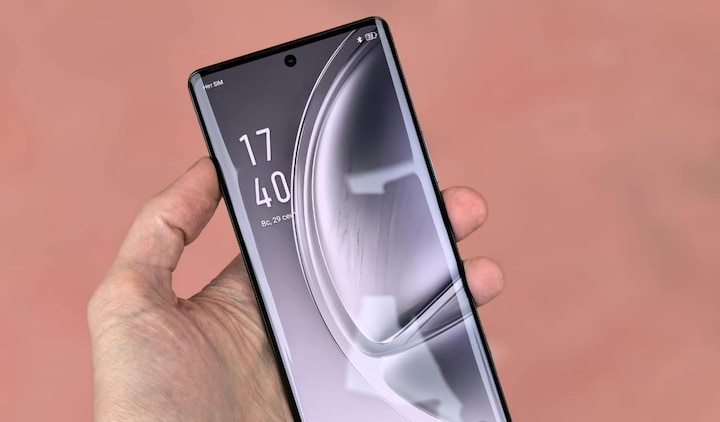
According to industry reports and supply-chain leaks, Apple has been working closely with display manufacturers Samsung Display and LG Display on a next-generation OLED panel that subtly curves around all four edges of the device. Unlike the heavily curved displays seen on some Android smartphones in recent years, Apple’s version is expected to feature far more restrained and functional curves, designed to enhance immersion without affecting usability.
The company’s approach reportedly focuses on creating an uninterrupted visual surface while preserving touch accuracy and durability. The display would bend slightly at the edges, reducing the visibility of bezels and making the front of the phone appear almost entirely covered by screen. The design could also help Apple achieve a more futuristic “all-glass” appearance that has long been rumored within the tech industry.
The new display technology is believed to be under development for a future iPhone model expected around 2027, coinciding with the 20th anniversary of the original iPhone. Analysts believe Apple is planning a landmark redesign for the anniversary edition, much like it did with the iPhone X during the device’s 10th anniversary in 2017. The iPhone X introduced Face ID, gesture navigation, and edge-to-edge displays, fundamentally reshaping the iPhone lineup. Industry observers now expect the company to attempt a similarly transformative leap.

Reports suggest the upcoming micro-curved OLED panels would use advanced manufacturing techniques aimed at improving both aesthetics and efficiency. Apple is reportedly exploring thinner OLED structures that eliminate certain internal layers, allowing displays to become brighter, lighter, and more power-efficient. Such changes could also help reduce the overall thickness of future iPhones while maintaining battery performance.
Another major goal of the redesign is believed to involve hiding more hardware beneath the display itself. Apple has already taken steps in this direction by reducing the size of the notch and introducing the Dynamic Island interface. Future models may reportedly move Face ID sensors and eventually even the front-facing camera underneath the screen. If successful, this would allow Apple to deliver a completely uninterrupted display experience for the first time.
The company is also said to be exploring new materials for display electrodes and panel structures to solve common issues associated with curved screens, such as color distortion, accidental touches, and uneven brightness near the edges. Apple’s engineering teams are believed to be focusing heavily on ensuring the micro-curved design remains practical rather than purely cosmetic.
Industry insiders say Apple intends the curves to feel natural and nearly invisible during normal usage. Instead of dramatic waterfall edges, the effect would likely create a softer visual transition between the display and the frame. This subtlety aligns with Apple’s long-standing design philosophy, which generally prioritizes minimalism and usability over flashy experimentation.
The development comes at a time when smartphone innovation has slowed across the broader industry. Many manufacturers have struggled to introduce major hardware changes that genuinely excite consumers, leading companies to increasingly focus on artificial intelligence features and software enhancements. Apple’s reported micro-curved OLED project suggests the company still sees industrial design as a critical area for differentiation in the premium smartphone market.
The redesign could also influence the wider display supply chain. Samsung and LG, both key suppliers for Apple, have invested heavily in OLED innovation over the past decade. Apple’s demand for custom micro-curved panels may push manufacturers to develop new production methods and technologies that could eventually spread across the broader electronics industry.
However, producing such advanced displays at scale may present major manufacturing challenges. Curved OLED panels are typically more difficult and expensive to produce than flat displays, especially when strict durability and quality standards are required. Apple is known for maintaining extremely high tolerances for component reliability, meaning suppliers may need years of refinement before mass production becomes feasible.
There are also questions about how consumers will respond to another major design shift. Earlier curved-screen smartphones received mixed reactions, with some users praising their futuristic appearance while others criticized glare, fragility, and accidental touch inputs. Apple appears aware of those concerns and is reportedly aiming for a more balanced implementation that offers visual elegance without compromising practicality.
Despite the growing number of leaks and industry reports, Apple has not officially confirmed any plans related to micro-curved OLED iPhones. The company traditionally keeps future hardware projects secret until formal launch events. Still, the consistency of recent reports suggests Apple is actively exploring the technology as part of its long-term roadmap.
If the project succeeds, the future iPhone could represent one of Apple’s boldest hardware redesigns in years. A nearly bezel-free micro-curved display, combined with under-screen sensors and a seamless glass aesthetic, could mark the beginning of a new era for the iPhone — one designed to make the device feel less like a piece of hardware and more like a continuous digital surface.