Google to Challenge German Ruling Over Liability for AI-Generated False Claims
Google has announced that it will appeal a recent German court ruling that held the technology giant liable for false information generated by its artificial intelligence-powered search feature. The case marks one of the most significant legal challenges facing AI-driven services and could influence how courts around the world approach responsibility for AI-generated content.
The dispute arose after plaintiffs claimed that Google’s AI-generated summaries contained inaccurate and damaging statements about them. According to the complaint, the AI feature presented misleading claims as factual information, potentially harming the reputation of those involved.
In its ruling, the German court determined that the company could be held responsible for content produced by its AI systems, even when the information was derived from external sources available online. The decision reflects growing concerns among regulators and legal experts regarding the accountability of companies deploying generative AI technologies.
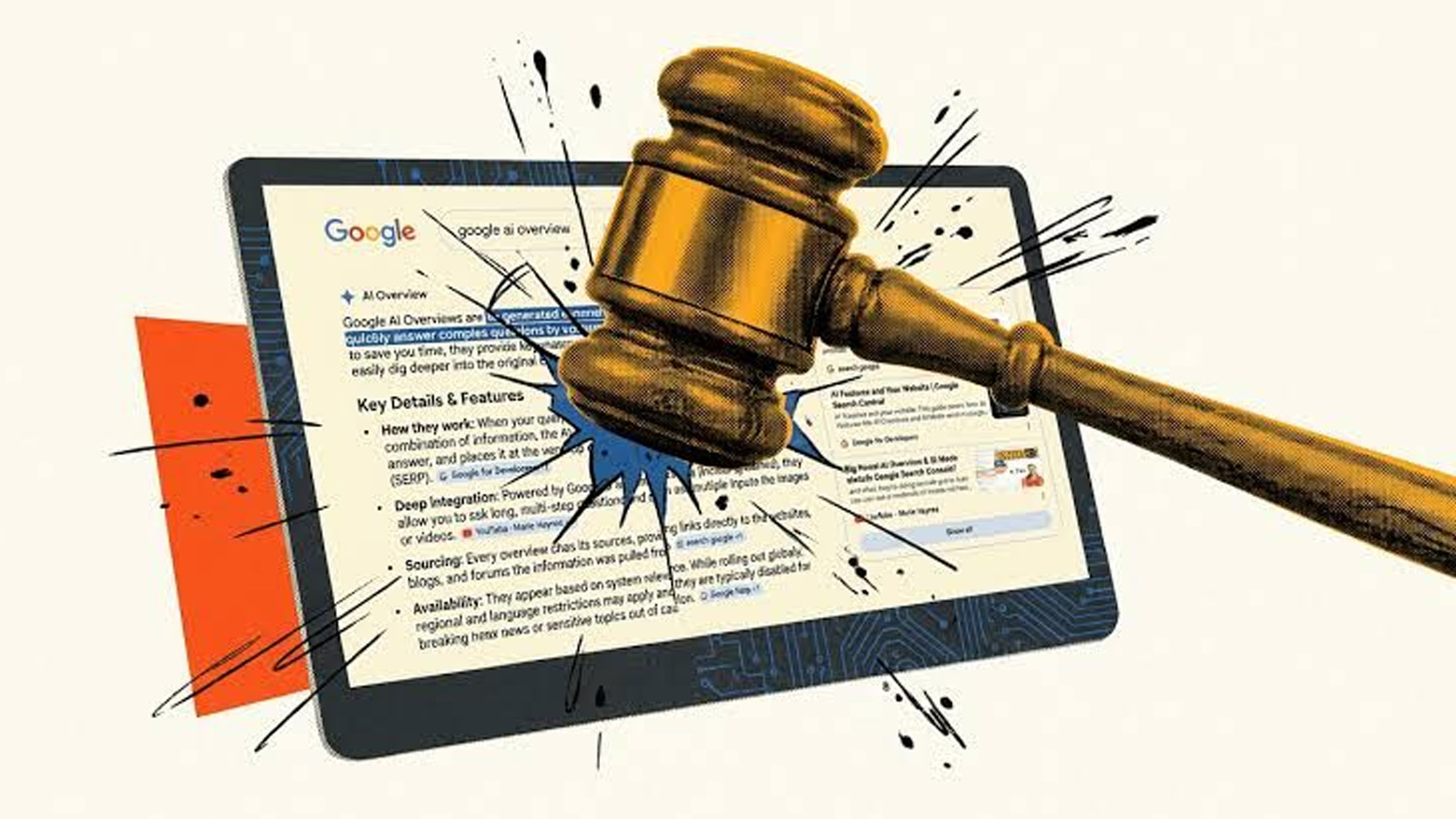
Google has strongly disagreed with the judgment and confirmed its intention to challenge the ruling through the appeals process. The company maintains that AI-generated responses are designed to help users access information more efficiently and that safeguards are continuously being improved to reduce errors. It has also argued that occasional inaccuracies should not automatically result in broad legal liability for AI providers.
The case comes at a time when major technology companies are rapidly integrating generative AI into search engines, productivity tools, and consumer applications. However, concerns over AI “hallucinations” — instances in which systems generate false or misleading information with confidence — continue to raise questions about the reliability of these technologies.
The outcome of Google’s appeal could have far-reaching implications for the future of AI regulation, potentially shaping legal standards for accountability, consumer protection, and the responsibilities of companies developing and deploying artificial intelligence systems.
Anthropic Disables Top-Tier AI Models Following U.S. Restrictions on Foreign Access
Artificial intelligence company Anthropic has temporarily disabled access to some of its most advanced AI models after a new U.S. government order imposed restrictions on foreign access to high-performance AI systems. The move reflects the increasing scrutiny surrounding the development and distribution of cutting-edge artificial intelligence technologies.
According to the company, the decision was made to ensure compliance with the latest regulations while it evaluates the full scope of the restrictions. The affected models are among Anthropic’s most capable systems, widely used by developers, businesses, and researchers for tasks ranging from coding assistance to complex data analysis.

The U.S. order is part of a broader effort to safeguard technologies that officials consider strategically important to national security. Policymakers have raised concerns that powerful AI systems could potentially be used for malicious purposes, including cyberattacks, disinformation campaigns, and the development of sophisticated autonomous tools. Restricting access, they argue, is a preventive measure aimed at reducing potential risks.
Anthropic stated that it is working closely with regulators to better understand the requirements and determine how services can be restored in a manner consistent with legal obligations. The company emphasized its commitment to responsible AI development and the importance of maintaining robust safety standards.
The decision has sparked debate across the global technology community. Critics argue that limiting international access to advanced AI could hinder research collaboration and widen technological divides between nations. Others believe stricter oversight is necessary as AI systems become increasingly powerful and influential.
The situation highlights the growing intersection of technology and geopolitics. As governments seek greater control over emerging technologies, AI companies may face increasingly complex regulatory environments that shape how innovation is developed, shared, and accessed around the world.
The long-term impact of these restrictions remains uncertain, but they signal a new phase in the global governance of artificial intelligence.
Canada’s Bid to Rein in AI Chatbots Faces Doubts Over Potential Loopholes
Canada’s efforts to introduce stricter controls on artificial intelligence chatbots are drawing both support and skepticism, as experts question whether the proposed measures can effectively address the risks associated with rapidly advancing AI technologies. The renewed push for regulation follows a school shooting that has intensified public concerns about the influence of online platforms and digital tools on vulnerable individuals.
Lawmakers are considering new safeguards aimed at ensuring that AI systems do not generate harmful content related to violence, criminal activities, or other dangerous subjects. Advocates of tighter oversight argue that companies developing and deploying AI chatbots must take greater responsibility for preventing misuse of their technologies. They believe stronger regulations could help establish clear standards for safety, transparency, and accountability.
However, critics warn that the proposed framework may contain significant loopholes. One major concern is that Canadian users could continue accessing AI services operated outside the country’s jurisdiction, limiting the effectiveness of domestic regulations. Others point to the difficulty of defining what constitutes harmful AI-generated content, especially given the wide range of legitimate educational and informational uses such systems provide.

Technology experts have also highlighted the challenge of keeping pace with innovation. As AI models evolve rapidly, regulations risk becoming outdated before they are fully implemented. Some industry stakeholders argue that overly restrictive rules could discourage investment and slow the development of beneficial AI applications in sectors such as healthcare, research, and education.
The debate reflects a broader global struggle to regulate emerging technologies without undermining their potential benefits. Governments worldwide are searching for approaches that protect public safety while supporting responsible innovation.
As Canada moves forward with its proposals, the outcome of these discussions may shape future policies on AI governance and influence how other nations address the complex balance between technological progress and societal safeguards.
Zuckerberg Says Meta Made ‘Mistakes’ in AI Workforce Shift
Meta CEO Mark Zuckerberg has admitted that the company made mistakes while reorganizing its workforce to align with its growing focus on artificial intelligence, highlighting the challenges that many technology companies face as they adapt to the rapidly evolving AI landscape.
As the race to develop advanced AI systems intensifies, Meta has significantly increased its investments in artificial intelligence research, infrastructure, and talent. The company’s strategy has involved redirecting resources, restructuring teams, and redefining job roles to support its long-term AI ambitions. However, Zuckerberg acknowledged that the transition was not always smooth.
According to Zuckerberg, some of the decisions made during the workforce shift created inefficiencies and disruptions within the organization. Rapid changes in priorities, combined with the pressure to remain competitive in the AI sector, led to adjustments that did not produce the expected results. He emphasized that Meta has learned valuable lessons from the experience and is working to refine its approach moving forward.

The comments come as technology companies around the world grapple with how best to integrate AI into their operations without negatively affecting employee morale or productivity. While AI presents opportunities for innovation and business growth, it also raises concerns about changing skill requirements, workforce displacement, and the future of work.
Meta has positioned artificial intelligence at the center of its business strategy, viewing it as a critical driver of future products and services. The company continues to invest heavily in developing AI capabilities that can enhance user experiences across its platforms.
Zuckerberg’s acknowledgment of past mistakes offers a glimpse into the complexities of managing large-scale organizational change during a period of technological transformation. It also reflects a broader industry reality: embracing AI is not simply about adopting new tools but also about navigating the human and operational challenges that accompany such a significant shift.
As the AI era unfolds, companies will likely continue adjusting their strategies in pursuit of innovation and sustainable growth.
OpenAI Under Investigation by Group of State Attorneys General, Source Says
OpenAI is reportedly under investigation by a coalition of state attorneys general in the United States, according to a source familiar with the matter. The development marks the latest sign of increasing regulatory attention toward companies leading the rapid expansion of artificial intelligence technologies.
Although details of the inquiry remain limited, the investigation is believed to focus on issues related to consumer protection and the responsible deployment of AI systems. State officials are expected to examine whether adequate safeguards are in place to address risks associated with the growing use of generative AI tools.
The scrutiny comes at a time when artificial intelligence is becoming more deeply embedded in daily life and business operations. AI-powered systems are now being used across sectors including education, healthcare, finance, and customer service. Their ability to generate human-like responses and automate complex tasks has fueled widespread adoption, but it has also raised concerns regarding privacy, misinformation, bias, and accountability.

OpenAI has emerged as one of the most prominent names in the AI industry, playing a significant role in popularizing generative AI technologies. The company has repeatedly stated that it is committed to building and deploying AI responsibly, while investing in safety measures designed to minimize potential harms.
The reported investigation highlights the challenges regulators face in keeping pace with rapidly evolving technologies. Existing laws were largely created before the rise of advanced AI systems, prompting officials to consider whether new frameworks are needed to address emerging risks.
Industry experts believe that regulatory oversight of AI companies is likely to increase in the coming years as governments seek to balance innovation with public interest. For companies operating in this space, greater transparency and stronger governance practices may become increasingly important.
As artificial intelligence continues to reshape industries and societies, the outcome of such investigations could influence how AI technologies are regulated and developed in the future.