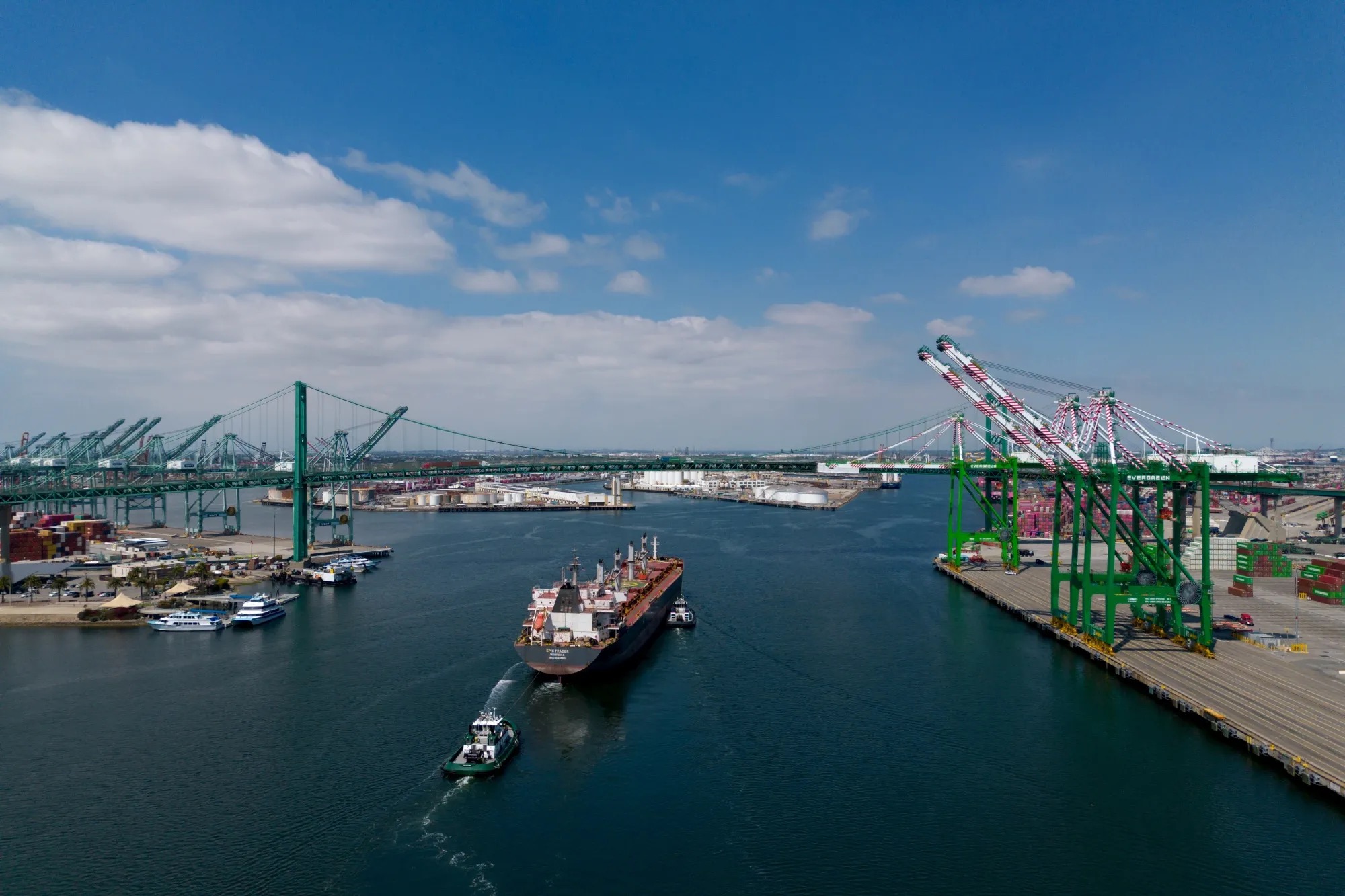
U.S. importers paid a record-breaking $16.5 billion in tariffs in April, marking the highest monthly total in the country’s history. The unprecedented tariff bill follows the implementation of new trade measures that have significantly raised the cost of imported goods across virtually all sectors of the economy.
The surge in tariff payments is the result of a sweeping policy that introduced a baseline 10% duty on nearly all imports into the United States, with additional tariffs of up to 100% or more placed on goods from specific countries. These measures have drastically increased costs for American companies that rely on global supply chains to supply everything from raw materials to finished products.
Businesses in sectors such as consumer electronics, clothing, automobiles, and industrial machinery have been particularly hard-hit. Many of these companies were already grappling with global supply chain disruptions and inflationary pressures. The sharp rise in import duties has added a new layer of cost and complexity, forcing them to quickly adapt or risk major financial consequences.

Small and mid-sized companies are bearing the brunt of the impact. Unlike large multinational corporations that can shift supply chains or absorb costs more easily, smaller businesses often operate on thin margins and have fewer options for mitigating unexpected expenses. Several small business owners have warned that the sudden tariff spike could lead to price hikes, layoffs, and in some cases, closures.
Retailers are also feeling the squeeze. With higher import costs filtering down through the supply chain, many are beginning to raise prices on consumer goods. Items such as clothing, toys, household appliances, and electronics are already showing signs of inflation at the checkout counter. For American consumers, this could mean a noticeable increase in the cost of everyday items — just as the economy is striving to stabilize after years of pandemic-related volatility.
To ease the burden, many importers are turning to bonded warehouses, which allow goods to be stored without immediately incurring tariffs. This strategy gives businesses more time to manage cash flow, delay payments, and determine whether to pass on costs to customers. However, demand for bonded warehouse space has skyrocketed, driving up storage prices and creating logistical backlogs.
While the tariff increases have provided a short-term boost in government revenue, the longer-term economic effects are less certain. Analysts are warning that these trade policies could contribute to broader inflation, reduce consumer spending, and weaken business investment. The risk of supply chain dislocation and product shortages could also grow if companies are forced to reduce imports or seek more expensive alternatives.
The tariffs are part of a broader strategy by the U.S. government aimed at reducing dependence on foreign manufacturing, curbing trade imbalances, and pushing for fairer trade practices globally. Officials argue that the policy is intended to protect American industries and promote domestic production. However, critics say the approach is overly aggressive and is placing undue strain on American businesses and consumers alike.
In Washington, the steep rise in tariffs has reignited debates over trade policy. Lawmakers on both sides of the aisle are expressing concern about the economic impact and have proposed legislation that would require greater congressional oversight before major tariff changes can be implemented. These efforts face resistance from the administration, which has maintained that executive flexibility is essential in navigating complex global trade dynamics.

As businesses across the country work to adjust, the full consequences of the new tariff regime are still unfolding. Some companies are exploring ways to shift sourcing to countries not affected by the highest duties, while others are reassessing their long-term strategies entirely. The uncertainty is creating an environment of caution in boardrooms and on factory floors alike.
April’s record tariff bill may just be the beginning. With tensions rising in several global trade relationships, and further tariff escalations not ruled out, U.S. importers are bracing for what could be a challenging road ahead — one that may redefine the landscape of international trade and reshape how American businesses operate in a global economy.