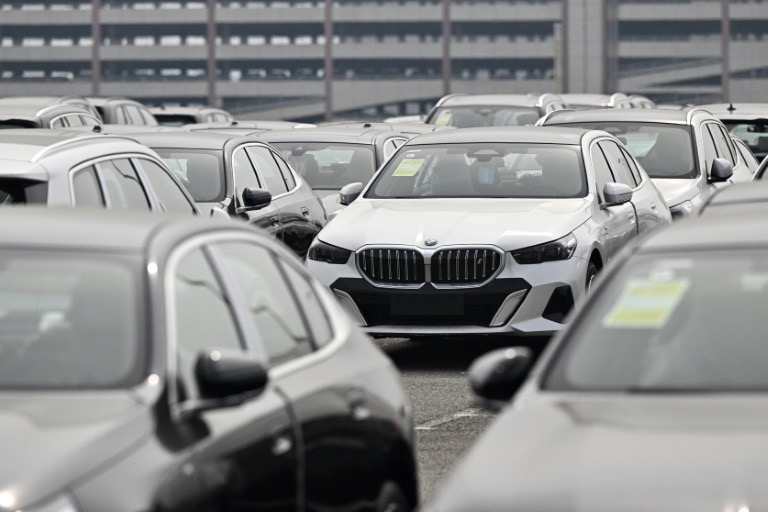
Shares of Hyundai Motor and other major South Korean exporters slid sharply on Tuesday after former U.S. President Donald Trump threatened to impose steeper tariffs on South Korean automobiles and pharmaceutical products, reigniting trade tensions between the two allies and unsettling Asian financial markets.
Hyundai Motor’s stock fell nearly 5 percent in early trading, dragging down related companies including Kia Corp and Hyundai Mobis. The broader South Korean stock index also weakened, reflecting growing investor anxiety over the possibility of a renewed trade confrontation with the United States — a key export destination for South Korean goods.
Trump, who is campaigning for a return to the White House, announced that he would consider raising import tariffs on South Korean automobiles, auto parts, and pharmaceutical products to as high as 25 percent. He cited what he described as South Korea’s failure to fully comply with previous trade commitments and accused the country of benefiting unfairly from existing trade arrangements with Washington.
The comments immediately sent shockwaves through markets, particularly among firms heavily exposed to U.S. demand. The United States remains one of South Korea’s largest trading partners, and the automotive sector in particular relies heavily on American consumers. Any significant increase in tariffs could undermine profitability, force price hikes, and reduce competitiveness for Korean manufacturers.
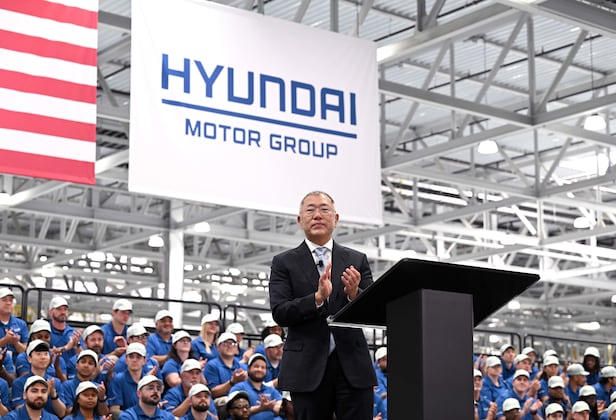
Analysts noted that Hyundai and Kia derive a substantial portion of their overseas sales from the U.S. market, making them especially vulnerable to policy shifts in Washington. Investors reacted swiftly, fearing that renewed trade barriers could disrupt supply chains and dampen export growth at a time when global demand remains fragile.
Pharmaceutical stocks were also hit, as the industry has expanded rapidly in recent years with growing exports of medicines and medical products to North America. The prospect of higher duties threatens to erode the cost advantages South Korean drugmakers have built through scale, technology, and regulatory approvals.
The tariff threat comes amid a broader backdrop of rising economic nationalism and protectionist rhetoric in several major economies. Trump, known for his hardline trade policies during his presidency, has repeatedly emphasized his intention to prioritize domestic manufacturing and reduce what he views as unfair trade imbalances. His latest remarks suggest that if he returns to office, trade frictions could once again become a central feature of U.S. foreign economic policy.
South Korean officials responded cautiously, seeking to calm markets while emphasizing their commitment to open trade and strategic cooperation with the United States. Government representatives stated that Seoul remains dedicated to resolving trade differences through dialogue and mutual understanding rather than unilateral actions.
They also highlighted that South Korea has been one of the largest investors in the U.S. economy in recent years, particularly in electric vehicles, battery manufacturing, and advanced technology sectors — investments that have created thousands of American jobs. Officials warned that punitive tariffs could undermine these cooperative efforts and damage long-standing bilateral ties.
Market participants, however, remain wary. Even if Trump does not immediately implement new tariffs, his statements have introduced fresh uncertainty at a time when companies are already navigating slowing global growth, high interest rates, and geopolitical instability.
Some analysts pointed out that the mere threat of tariffs can influence corporate behavior, delaying investments and forcing companies to reconsider supply chain strategies. For automakers like Hyundai, which have invested heavily in U.S.-based manufacturing facilities, higher tariffs on imported components could raise production costs even for vehicles assembled domestically.
The reaction in South Korea was mirrored across Asian markets, with export-oriented stocks under pressure as investors reassessed the risks of escalating trade disputes. Currency markets also showed mild volatility, with the Korean won weakening slightly against the dollar as traders priced in potential economic headwinds.
Business leaders urged both sides to avoid rhetoric that could destabilize markets and instead focus on strengthening trade relations. Industry associations warned that tariffs not only harm exporters but also raise prices for American consumers and disrupt global manufacturing networks built over decades.
Despite the initial sell-off, some shares recovered part of their losses later in the session, suggesting that investors remain hopeful the remarks may be more political than policy-driven. However, the episode underscored how sensitive global markets remain to signals from Washington, especially when it comes to trade.

For Hyundai, the challenge now lies in reassuring investors that its diversified manufacturing footprint and long-term strategy can withstand policy shocks. The company has been expanding production capacity in the United States and shifting toward electric and hybrid vehicles, moves that could help mitigate future risks tied to trade barriers.
Still, the broader concern remains: a return to aggressive tariff policies could slow global trade, complicate diplomatic relations, and increase costs across industries.
As political campaigning in the United States intensifies, businesses and governments alike will be watching closely for further statements that could reshape the global trade landscape. For now, Hyundai’s falling share price serves as a reminder of how deeply interconnected politics and markets have become — and how quickly investor confidence can be shaken by a few words.