In a bold and unprecedented move, artificial intelligence startup Anthropic has purchased Super Bowl advertising slots to criticize rival OpenAI’s decision to introduce advertisements into its ChatGPT platform. The campaign highlights not only fierce competition in the rapidly evolving AI industry but also a broader debate about monetization, user trust, and the future of AI-driven tools.
Anthropic’s Super Bowl commercials, which include 30-second spots airing during the nation’s most-watched sporting event, focus on the potential pitfalls of ad-supported AI. One ad depicts a user asking a chatbot for simple advice, only for the conversation to be derailed by product recommendations and advertisements. The commercial ends with the tagline, “Ads are coming to AI. But not to Claude,” positioning Anthropic’s own chatbot, Claude, as a principled, ad-free alternative.
Super Bowl advertising is one of the most expensive and high-profile marketing channels in the world, with single 30-second slots costing millions of dollars. By choosing this stage, Anthropic is sending a clear message not just to tech enthusiasts but to a mainstream audience, attempting to define itself as the champion of user-friendly, ad-free AI experiences.
At the heart of Anthropic’s campaign is a simple assertion: integrating ads directly into AI interactions could undermine user trust. By monetizing responses through advertisements or sponsored content, AI platforms risk turning helpful assistants into commercial vehicles, potentially influencing user decisions without transparency. Anthropic emphasizes that Claude will remain free from any form of advertising, including product placements or sponsored suggestions, reinforcing the brand as an ethical and user-centric alternative.

The move is both a marketing strategy and a philosophical statement. In a digital environment increasingly saturated with ads, consumers have grown wary of intrusive marketing in apps, social media feeds, and search engines. Anthropic is banking on this fatigue translating into a preference for AI tools that remain independent of commercial influence. Analysts suggest that the Super Bowl campaign is designed to solidify the company’s reputation and gain attention in a highly competitive AI market.
OpenAI, meanwhile, has responded cautiously but firmly. The company acknowledges experimenting with ads for free tiers of ChatGPT but insists that all advertisements are clearly labeled and do not influence the assistant’s answers. OpenAI maintains that the ads are a way to sustain operations while keeping access broadly available, and emphasizes that user experience and trust remain core priorities.
This public clash represents a rare and highly visible confrontation in the AI sector. While most competition between AI companies has historically been limited to product releases, research developments, or funding announcements, Anthropic’s choice to air a high-cost, widely viewed advertisement demonstrates a willingness to enter the public sphere to influence perception. By casting itself as the defender of an “ad-free” AI future, Anthropic aims to capture both media attention and consumer goodwill.
Reactions to the ads have been swift and varied. Online discussions have exploded across social media platforms, with some users praising Anthropic for taking a principled stance against monetization in AI, while others view the campaign as a marketing stunt designed to generate publicity rather than a substantive critique. Many discussions focus on the ethical implications of advertising in AI, questioning whether even clearly labeled ads could shape user behavior or compromise the integrity of responses.
The debate reflects larger philosophical and business model differences within the AI industry. OpenAI’s strategy emphasizes scale, accessibility, and sustainable revenue, introducing advertisements as a means to fund free and lower-cost services while maintaining wide availability. Anthropic, in contrast, has relied more heavily on enterprise contracts, subscriptions, and private investment, aiming to avoid advertising entirely in order to preserve the user experience and maintain ethical standards.
Experts note that the Super Bowl ads are likely to have a significant impact simply due to their visibility. With millions of viewers tuning in for the game, Anthropic’s critique of OpenAI’s monetization strategy will reach a diverse audience beyond the tech community. This could influence public perception of AI tools and shape consumer expectations for transparency, ethics, and trustworthiness in generative AI platforms.
Industry observers also suggest that this confrontation could set a precedent for how AI companies market themselves in the future. As artificial intelligence becomes increasingly embedded in daily life, branding battles over ethical practices, user experience, and monetization models may grow more prominent. Public-facing campaigns like Anthropic’s are likely to become a recurring feature of competition, especially among companies seeking to establish themselves as principled alternatives in a crowded market.
The timing of the campaign—during the Super Bowl, one of the most widely watched broadcasts of the year—ensures that the debate about AI advertising will extend far beyond tech circles. While OpenAI has defended its ad strategy as a necessary step for financial sustainability, Anthropic’s high-profile critique has sparked widespread discussion about the potential consequences of monetizing conversational AI.
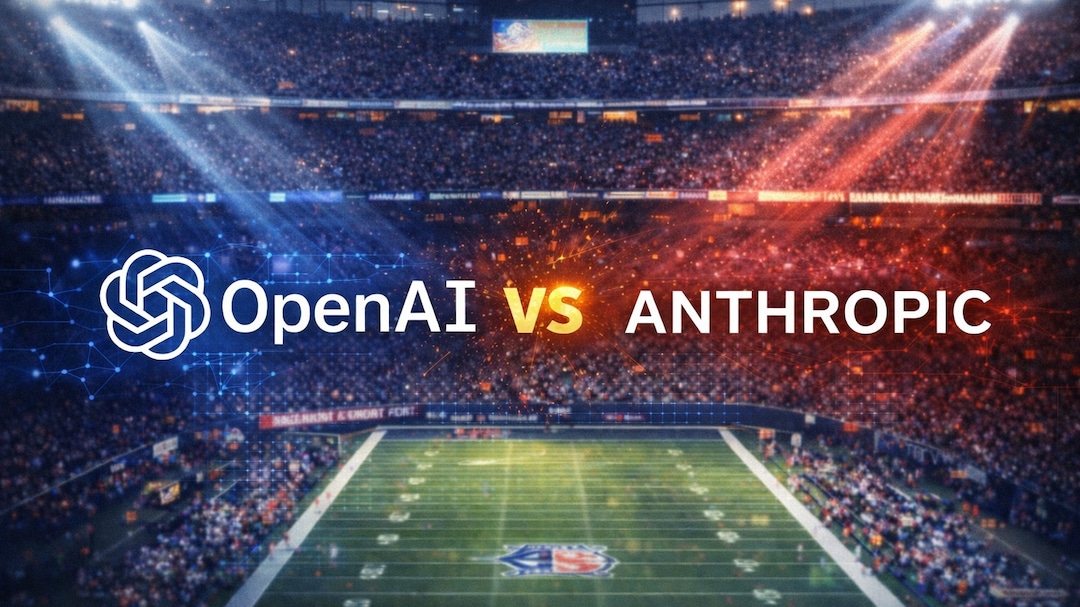
Ultimately, the clash highlights a central question for the future of artificial intelligence: should AI platforms prioritize revenue and scale, or focus on ethical design, transparency, and user trust? Anthropic’s advertisements suggest that there is a market for tools that eschew commercial influence, while OpenAI’s approach emphasizes accessibility and funding models capable of supporting continued development.
For now, the message from Anthropic is clear: while ads may be coming to other AI platforms, Claude will remain a safe, ad-free space. Whether this principled stance will win over users and shape industry norms remains to be seen, but the Super Bowl confrontation has already made one thing certain—competition in the AI world is no longer just about technology; it is also about values, perception, and public trust.