The U.S. Department of Homeland Security (DHS) is facing renewed scrutiny after reports emerged that its agents have been monitoring activity on the social media platform Reddit. According to documents and reports circulating online, DHS has allegedly tracked users who post content critical of federal immigration enforcement policies, as well as those organizing or discussing protests and political activism. The revelations have raised significant questions about government overreach, civil liberties, and the limits of online privacy for American citizens.
Leaked intelligence bulletins indicate that DHS field agents have collected information on Reddit users whose posts discuss or challenge government actions. In one case, an account was reportedly monitored after calling for protests near a Border Patrol facility in Texas, even though the post appeared to be lawful and non-violent. Documents describe the activity as part of a broader intelligence-gathering initiative aimed at monitoring potential threats to federal operations, though the scope and criteria for such surveillance remain unclear.
Critics argue that these actions represent an excessive expansion of government surveillance powers, extending beyond traditional security concerns into the realm of political monitoring. By targeting users based on their commentary, discussions, or online organizing, DHS appears to be treating lawful expression as potentially dangerous activity. Legal experts and civil rights advocates warn that such practices could undermine First Amendment protections, which guarantee freedom of speech and peaceful assembly, as well as Fourth Amendment protections against unreasonable searches and seizures.
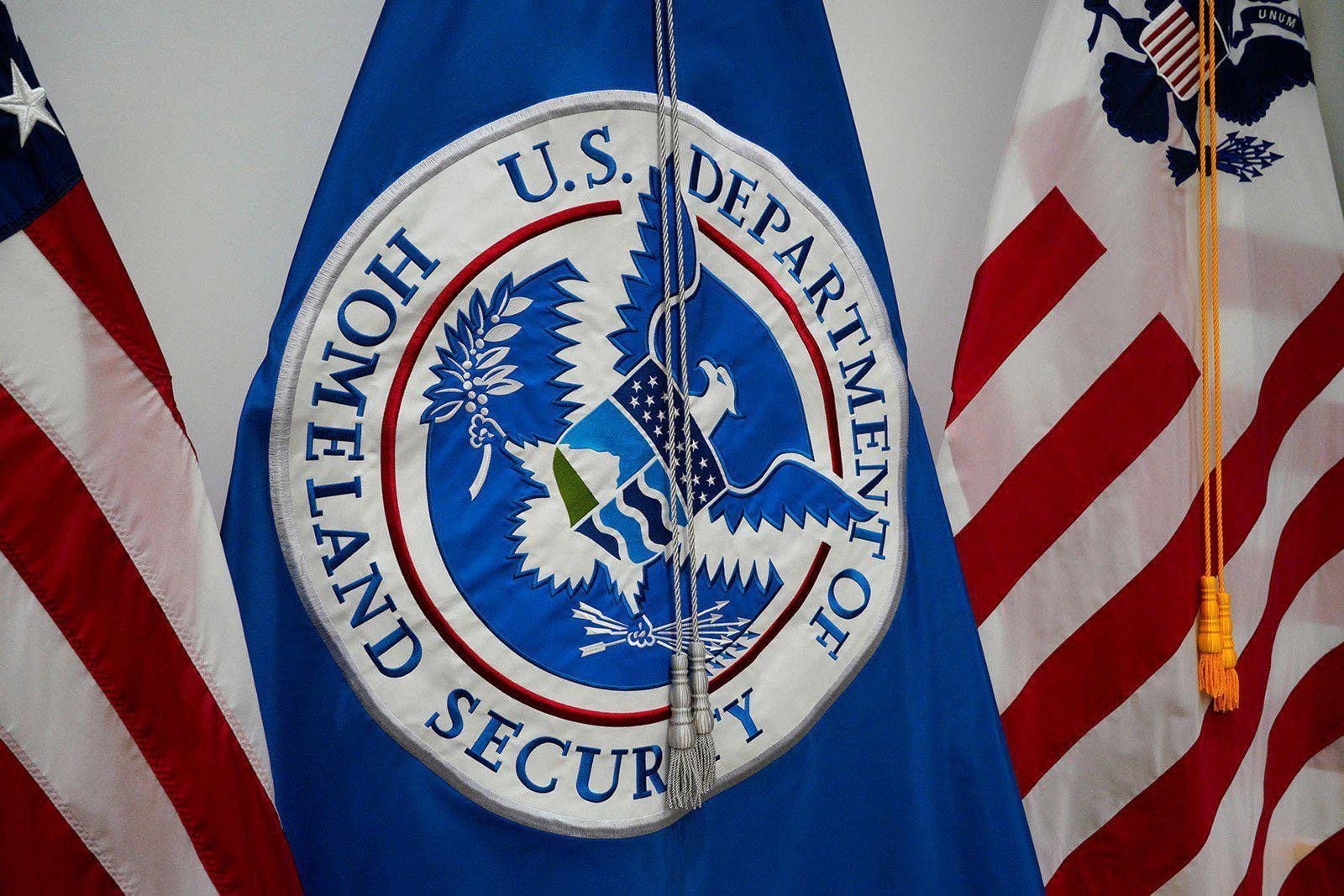
The controversy surrounding DHS surveillance comes at a time of heightened sensitivity over government monitoring of online activity. In recent years, the department and its agencies have developed increasingly sophisticated methods for collecting publicly available social media content. While such monitoring has traditionally been framed as a tool for identifying security threats, the leaked reports suggest a broader application, including the tracking of ordinary users expressing political views or organizing grassroots activities.
Public reaction to the reports has been swift and vocal. Reddit communities have seen threads explode with discussions about surveillance, with users expressing outrage and disbelief at the possibility that their posts may be monitored by federal agents. Many have raised concerns about “digital profiling,” where individuals are categorized based on their online behavior, even when that behavior is entirely lawful. Some commenters suggest that government monitoring could have a chilling effect on online discourse, discouraging users from engaging in political debate or activism for fear of being scrutinized.
Civil liberties organizations have weighed in, emphasizing the potential dangers of surveillance without clear guidelines or accountability. Advocates argue that monitoring individuals who engage in public political discussion blurs the line between legitimate security work and the suppression of dissent. They warn that such practices could erode public trust in government institutions and set a dangerous precedent for future administrations, where online criticism could be mischaracterized as a security threat.
DHS has responded to the controversy by framing the leak of the documents themselves as a security concern. Agency officials have stressed that unauthorized disclosure of internal intelligence procedures could compromise operations and public safety. However, the agency has not publicly confirmed specific surveillance tactics or the monitoring of individual Reddit users. The lack of transparency has fueled skepticism and criticism from privacy advocates and civil rights groups, who argue that public accountability is necessary when government agencies operate in digital spaces.
The incident highlights broader tensions between national security priorities and the protection of civil liberties in the digital age. Social media platforms have become central spaces for public debate, political organizing, and the sharing of information. While monitoring can play a legitimate role in identifying threats, critics contend that targeting users for lawful expression risks violating core constitutional principles. The potential misuse of surveillance data, whether intentional or not, could have lasting consequences for democratic engagement and public trust.
Experts note that surveillance programs like these often rely on automated tools and social media analytics to flag potentially “suspicious” activity. While such technologies can be useful for law enforcement, they are also prone to errors and misinterpretation. Posts that are critical of government policies or discuss protest planning can easily be misread as threats, even when users intend no harm. This raises questions about oversight, accountability, and the safeguards necessary to protect ordinary citizens from unwarranted monitoring.
Some observers have also expressed concern about the long-term implications of government monitoring of online communities. If users believe their posts are being tracked by federal agencies, they may self-censor, reducing the vibrancy and openness of public discourse. In a democratic society, the ability to express dissent, organize collectively, and discuss government policies freely is essential. Surveillance programs that infringe on these rights risk undermining the very values they are meant to protect.

As the controversy unfolds, lawmakers, advocacy groups, and digital rights organizations are calling for clarification and oversight. Congressional committees may launch inquiries into the scope of social media monitoring by DHS, seeking to understand the balance between security objectives and constitutional protections. Meanwhile, civil liberties organizations are likely to pursue legal avenues to challenge surveillance practices that target lawful online expression.
The debate over DHS surveillance reflects a broader societal reckoning with the role of government in digital spaces. As social media continues to serve as a primary platform for civic engagement, questions about privacy, free speech, and governmental oversight are becoming increasingly urgent. How the government navigates these issues will have significant consequences not only for the users being monitored but also for the future of public discourse and democratic participation in the United States.
The monitoring of Reddit users by Homeland Security serves as a reminder of the challenges inherent in balancing national security with individual freedoms. It also underscores the importance of transparency, accountability, and robust protections for civil liberties in the digital era. Without clear boundaries and safeguards, the risk remains that government surveillance could extend into areas of public life where it has no legitimate claim, threatening the very freedoms it is meant to defend.