
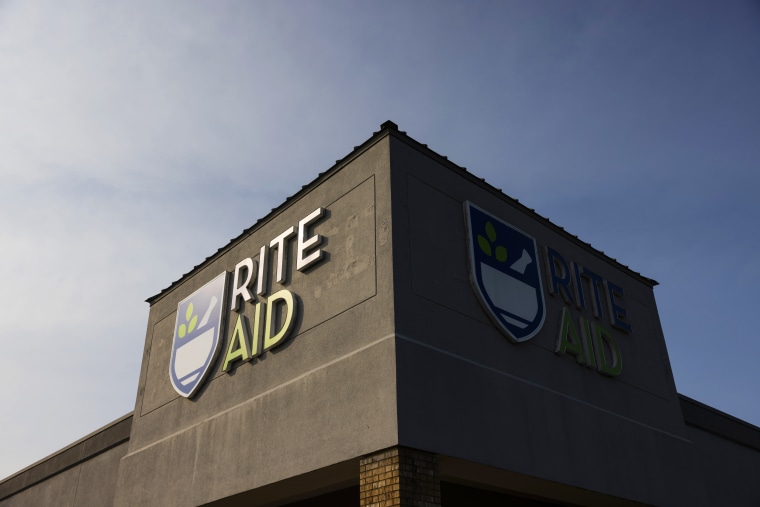
Rite Aid Corporation, one of the United States’ largest drugstore chains, has filed for bankruptcy due to mounting debt and legal challenges stemming from opioid-related lawsuits. The move underscores the significant pressures facing the company as it strives to navigate a complex and evolving healthcare landscape.
The Pennsylvania-based retail pharmacy chain, which operates over 2,500 stores in 19 states, filed for Chapter 11 bankruptcy protection in an effort to address its financial woes while continuing to serve its customers.
Rite Aid has faced a growing financial burden due to a combination of factors, including high levels of debt and the costs associated with legal action related to the opioid crisis. The opioid epidemic, which has swept across the United States over the past two decades, has led to a wave of lawsuits targeting pharmaceutical manufacturers, distributors, and retailers.
In a statement, Heyward Donigan, CEO of Rite Aid, commented on the decision, saying, “The Chapter 11 process provides us an opportunity to protect the business and best position Rite Aid for the future, as we continue to serve our communities in this challenging and ever-changing healthcare environment.”
The bankruptcy filing comes as Rite Aid, like many other pharmacy chains, faces legal scrutiny and financial repercussions for its role in dispensing prescription opioids. The company has been named in lawsuits alleging that it contributed to the opioid epidemic by inappropriately distributing and dispensing these drugs. Rite Aid has maintained that it adhered to all applicable laws and regulations regarding the sale and distribution of prescription opioids.
Rite Aid is also working to address its substantial debt load, which stood at approximately $3.2 billion as of its last financial disclosure. The bankruptcy process will provide the company with an opportunity to restructure its financial obligations, potentially reducing its debt and improving its overall financial health.
Rite Aid’s bankruptcy filing is part of a growing trend among healthcare-related businesses facing financial difficulties due to opioid litigation and other factors. Several major pharmaceutical manufacturers, distributors, and retailers have pursued similar paths to navigate the financial and legal challenges posed by the opioid epidemic.
The company has stated that it will continue to operate its stores and provide essential services to its customers throughout the bankruptcy process. Rite Aid’s goal is to emerge from Chapter 11 as a stronger, more financially stable organization, better equipped to meet the evolving healthcare needs of its communities.
While the future remains uncertain, Rite Aid’s bankruptcy filing represents a pivotal moment for the pharmacy chain as it grapples with legal issues associated with the opioid crisis and strives to secure its financial footing in a rapidly evolving healthcare industry. The proceedings will be closely monitored by stakeholders, customers, and the broader healthcare community.